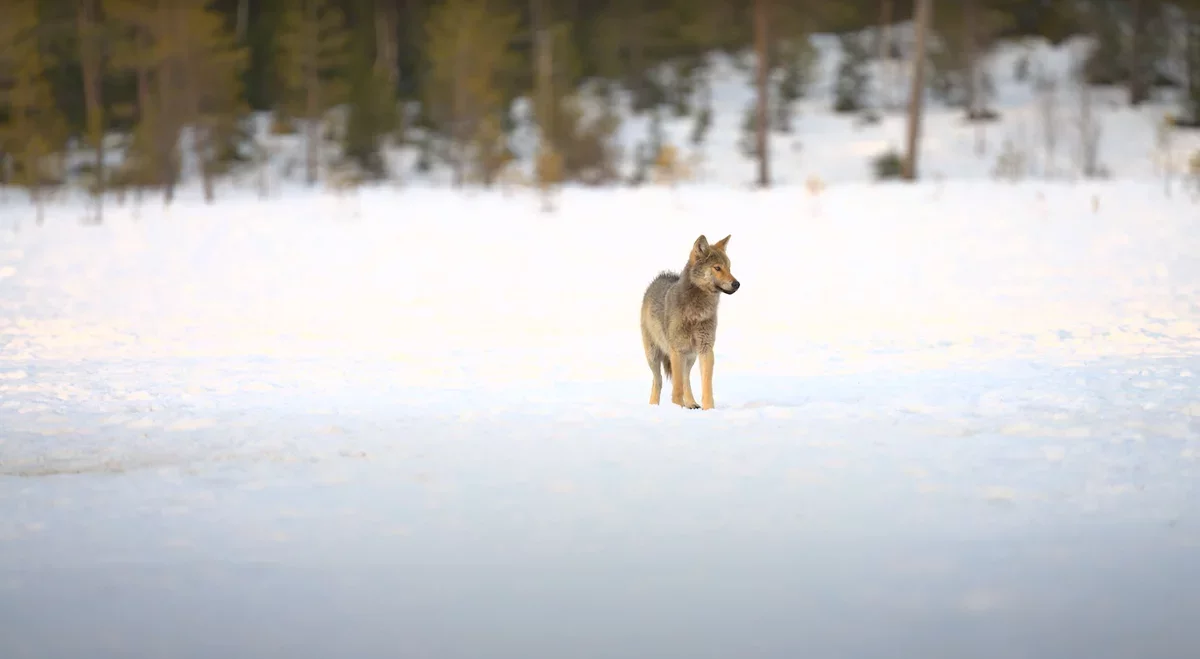
Four decades after the Chernobyl disaster, the exclusion zone has transformed into an extraordinary wildlife sanctuary. Despite the persistent radiation, a diverse array of animals, including wolves, are thriving in this unique environment.
Gray wolf populations have surged to seven times their pre-accident numbers, primarily due to the absence of human activity--farming, hunting, and development have all ceased. Interestingly, even amidst ongoing conflicts in the vicinity, wolves seem to flourish in the absence of human presence.
Nuclear Fallout and Its Effects
Prior to the catastrophic explosion on April 26, 1986, Prypiat was a bustling Soviet town characterized by agriculture and industry. The explosion released radioactive materials, leading to the evacuation of over 300,000 residents and the creation of the infamous "Red Forest," where pine trees absorbed lethal radiation.
With humans gone, wildlife, including elk, deer, and even bears, has reclaimed the land. This remarkable resurgence is a testament to the resilience of nature when given the chance to recover.
"Wolf populations are seven times higher than they were before the accident because there is less human pressure," stated Jim Smith, an environmental scientist from the University of Portsmouth. "The ecosystem in the exclusion zone is much better than it was before the accident."
Adaptation to Radiation
Research led by evolutionary biologists Cara Love and Shane Campbell-Staton has revealed that Chernobyl's wolves are not only surviving but adapting to their radioactive surroundings. By utilizing GPS collars to monitor their radiation exposure, scientists found that these wolves absorb significantly higher radiation levels than humans, yet their population remains stable.
Genetic analyses indicate that over 3,000 genes in these wolves exhibit distinct behaviors compared to their counterparts in less contaminated areas. Notably, 23 genes associated with cancer resistance have been identified, suggesting a remarkable ability to withstand the effects of radiation.
This adaptation highlights a complex narrative in the region, where the absence of human interference has allowed some species to thrive while others, particularly smaller animals, continue to face challenges.
Lessons from Chernobyl
The Chernobyl disaster serves as a powerful reminder of nature's resilience. While the region remains contaminated, it has become a living laboratory for studying wildlife adaptation and conservation. The thriving wolf population exemplifies how, even in adverse conditions, life can persist and adapt.
As we look to the future, the ongoing research in Chernobyl may provide insights into wildlife resilience and the broader implications for conservation efforts worldwide.