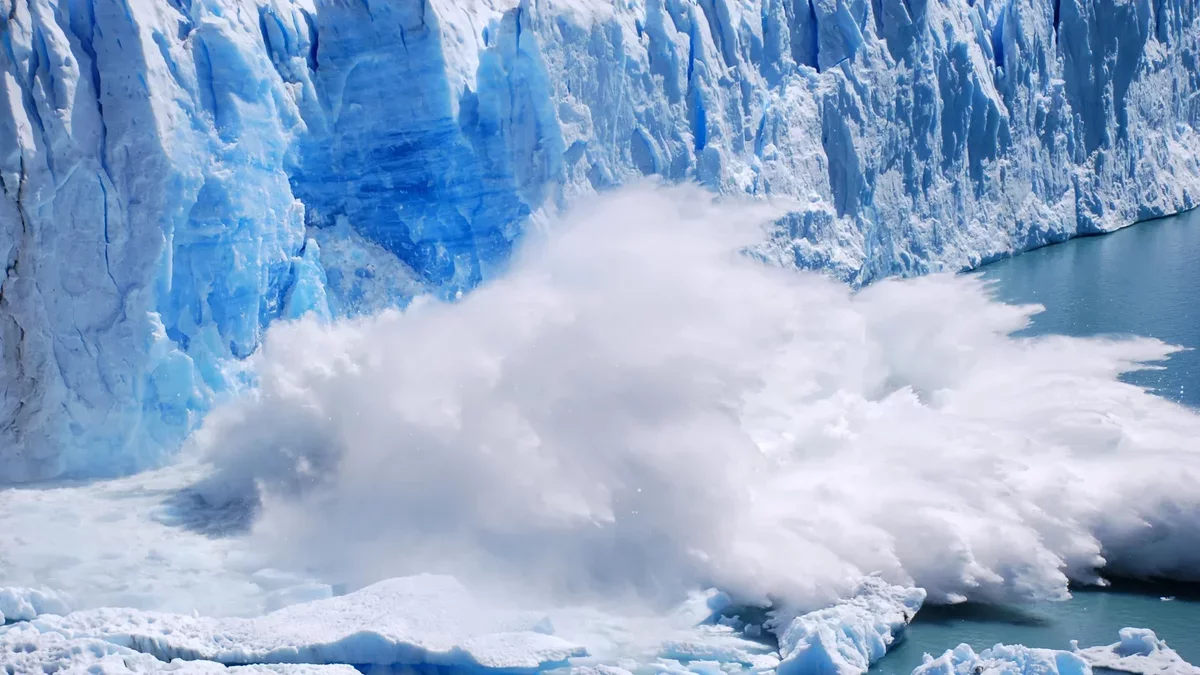
An extensive global study led by the University of Portsmouth has uncovered critical insights about over 3,100 surging glaciers, emphasizing the risks they pose as climate change alters their behavior. This research, published in Nature Reviews Earth and Environment, highlights how these glaciers, primarily found in the Arctic, High Mountain Asia, and the Andes, are not evenly distributed across the globe.
Understanding Glacier Surges
Glacier surges occur when ice, which typically moves at a slow pace, suddenly accelerates. This rapid movement pushes significant amounts of ice toward the glacier's front, often resulting in its advance. These surges can last several years and are characterized by cycles of dormancy followed by explosive activity.
Lead author Dr. Harold Lovell, a glaciologist from the University of Portsmouth, notes that while surging glaciers comprise only 1% of all glaciers worldwide, they impact nearly 20% of the global glacier area. Their unpredictable behavior can lead to severe natural disasters, affecting countless communities.
Vulnerability to Climate Change
The study reveals that surging glaciers are increasingly susceptible to the effects of climate change. During surge events, these glaciers can lose substantial amounts of ice, contributing to regional ice loss.
Potential Hazards
Researchers identified six significant hazards linked to surging glaciers, particularly in mountainous regions:
- Glacier advance threatening infrastructure
- River blockages leading to unstable lakes
- Meltwater outbursts causing floods
- Sudden glacier detachments resulting in avalanches
- Crevasses making travel perilous
- Iceberg hazards in maritime areas
Among these, 81 glaciers were identified as particularly hazardous, many located in the Karakoram Mountains, where human settlements and vital infrastructure are at risk.
Climate Change's Role
One alarming finding is that rising temperatures are complicating the predictability of glacier surges. Dr. Lovell explains that climate change is altering the frequency and timing of these surges, making them less predictable and more dangerous.
While some regions experience increased surging activity, others see a decline. In places like Iceland, shrinking glaciers may cease to surge altogether, whereas warmer areas could witness a rise in surge frequency.
Future Monitoring Needs
Dr. Lovell emphasizes the necessity for enhanced monitoring and forecasting of surging glaciers. Improved satellite observations and field studies are essential to anticipate the behavior of these glaciers and mitigate risks to communities. Understanding which glaciers pose the greatest threats will be crucial for effective disaster preparedness.
Conclusion
The ongoing research into surging glaciers highlights the urgent need for better understanding and monitoring as climate change continues to reshape our planet. This knowledge is vital for safeguarding vulnerable communities against the unpredictable nature of these dynamic ice formations.