Friendship and community have always been essential aspects of human interaction, but the recent pandemic has intensified the search for connection. As cities around the globe adapted to new norms, many individuals found solace in outdoor activities, particularly running. This shift not only transformed personal habits but also sparked a remarkable growth in the popularity of run clubs.
With over half the world's population residing in urban areas, the pandemic prompted a reevaluation of priorities. As people adjusted to working from home, they discovered the benefits of utilizing their newfound free time for physical health. Running emerged as an accessible and invigorating option, leading many to dust off their old running shoes and hit the streets.
Research indicates that by 2025, around 30% of runners will have taken up the sport during the pandemic, with a notable 70% of new runners prioritizing health over competition. A survey by Running USA revealed a 25% increase in running club memberships in the United States since 2019, highlighting a global trend. Cities like Jakarta and Fortaleza have reported significant participation in group runs, further emphasizing the social aspect of this growing phenomenon.
Connecting Through Running
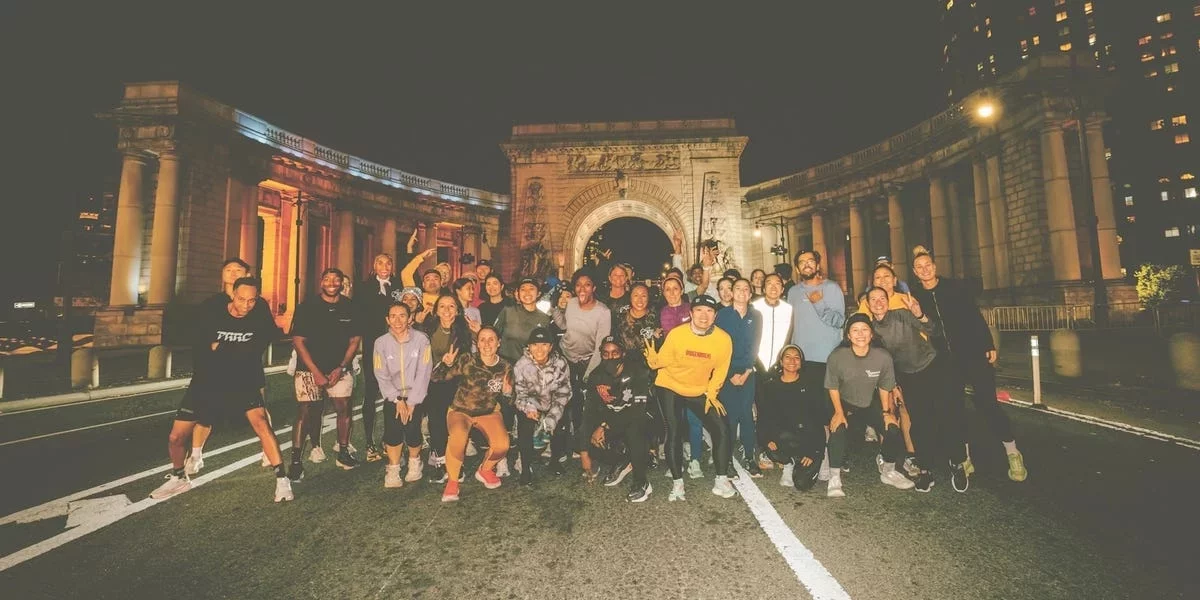
The roots of modern run clubs can be traced back to initiatives like Bridgerunners in New York City and Run Dem Crew in London, which began in the early 2000s. These groups redefined the identity of runners, attracting individuals from diverse backgrounds who sought community rather than competition. Their gatherings not only encouraged fitness but also fostered connections among urban dwellers who shared a passion for running.
As these social clubs gained momentum, they inspired a new wave of inclusivity within the sport. Organizations such as Black Men Run and various women-only and LGBTQIA+ clubs have emerged, creating safe spaces for marginalized communities to engage in running. This evolution has broadened the appeal of running, making it a vehicle for social change and representation.
Looking ahead, the future of run clubs appears bright. As more individuals embrace running for health and social interaction, the diversity within these groups will continue to expand. There is potential for innovative activities to emerge, blending running with social events, fitness classes, and even dating opportunities. The idea of finding companionship through shared interests is timeless, and running provides a unique platform for such connections.
Ultimately, the rise of run clubs represents a significant cultural shift in how we view fitness and community. As these groups flourish, they will likely play a pivotal role in promoting wellness and inclusivity in the years to come.