The Social Practice City University of New York (SPCUNY), a pioneering initiative that has empowered socially conscious artists within the public university framework, is set to conclude its operations in February 2027. This program, established in 2021 by artists and educators Chloé Bass and Gregory Sholette, emerged as a response to the challenges of virtual learning during the COVID-19 pandemic and the increasing corporatization of higher education.
SPCUNY has been instrumental in supporting faculty and student projects that address pressing social issues, providing unrestricted fellowships to artists across CUNY's 25 campuses with backing from the Mellon Foundation. Over its five-year journey, the program has welcomed 129 fellows and allocated $535,000 in project funding. As both Bass and Sholette transition away from their academic roles, they have decided to end this innovative project.
Notably, SPCUNY was never officially integrated into the university's academic structure. Bass explained that the absence of a formal institution made it challenging to find a successor to continue the program, despite the ongoing support from the Mellon Foundation. "It's an artist-run project that resembled an institution," Bass stated.
Throughout its existence, SPCUNY has championed projects that tackle issues such as climate change, racial injustice, and immigration challenges, envisioning a future free from social inequities. Bass emphasized how the program bridged gaps between disparate academic departments, fostering collaboration and innovation.
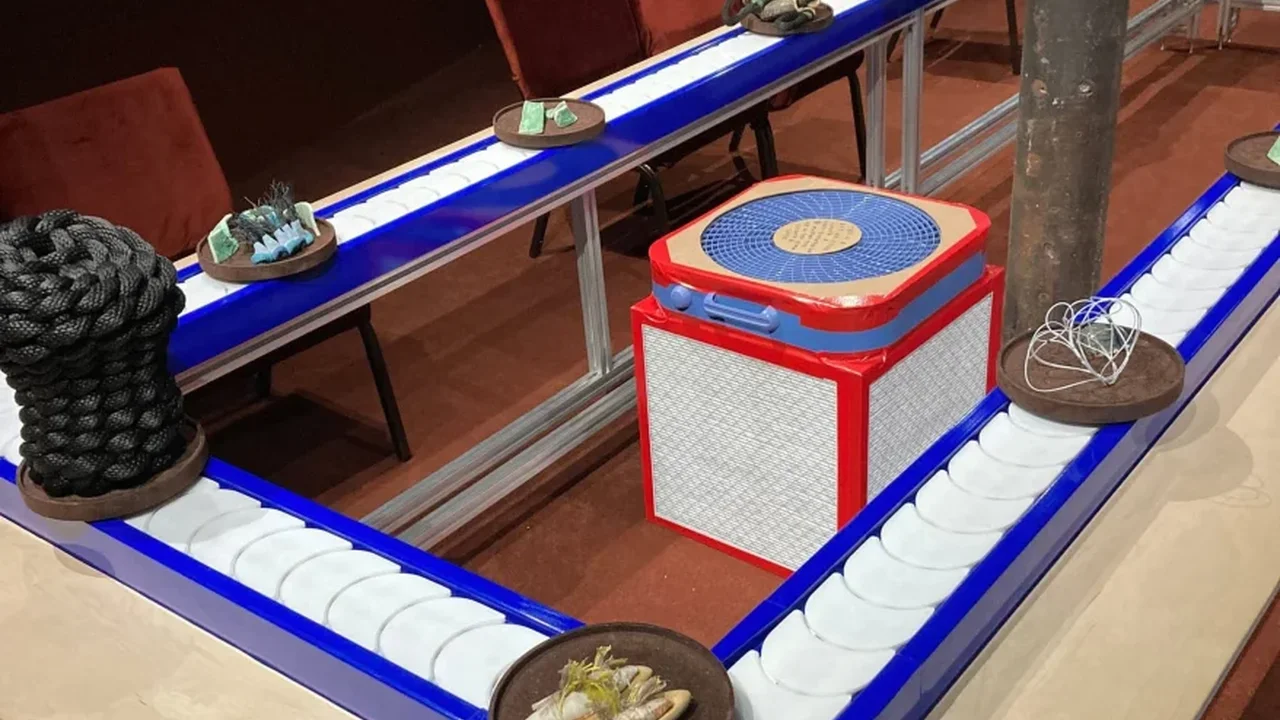
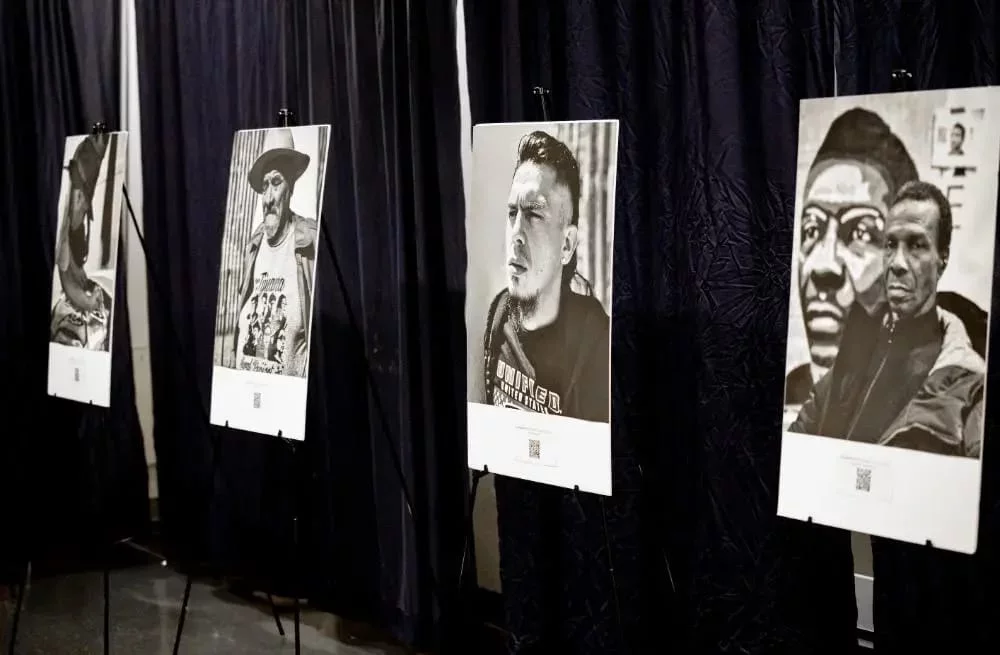
Fellows have documented the impact of the city's polluting peaker plants through photography, highlighted the experiences of deported U.S. military veterans via public art, and conducted a mock standardized test that explored themes of ritual and relationships.
Sholette remarked on the program's homage to the historical significance of CUNY, which has long been a symbol of accessible education. "We aimed to return to the roots of the city university, especially the ethos of the 1970s, which prioritized free education for all," he recalled.
While SPCUNY could not eliminate tuition fees, it embodied the founding spirit of the university by providing financial support to students. "We created a mini time capsule to that era," Sholette noted. Although Bass and Sholette have chosen not to continue the program, they remain optimistic about its lasting influence and potential revival.
As they reflect on the challenges posed by the recent political climate, both artists highlight the necessity of investing in justice-oriented initiatives within higher education. "These small projects serve as models for the world we aspire to create," Bass asserted. "Without support, it's difficult for future generations to envision these possibilities."
In conjunction with its closure, SPCUNY will release a book titled Practicing in Public, focusing on socially engaged art, and will host events as part of its series How Do We ______ in Public?. "We hope to leave behind a rich legacy and a living archive that can be revitalized," Sholette concluded.