The landscape of AI-generated imagery is evolving rapidly, making it increasingly challenging to distinguish between real and artificial visuals. Traditionally, signs of AI creation included anomalies like irregularities in human hands, but these indicators are becoming less reliable with each advancement.
One notable area where AI has struggled is in text generation within images. While the visuals might appear authentic, the text often reveals inconsistencies, such as jumbled letters or odd repetitions. However, with the introduction of OpenAI's latest model, Images 2.0, significant strides have been made in this domain. This model is designed to produce remarkably realistic text alongside images, enhancing the overall quality to a level that may soon render AI-generated content indistinguishable from human-created works.
OpenAI's Images 2.0: A New Era of Realism
OpenAI's Images 2.0 marks a pivotal moment in AI technology. This model not only excels at generating high-quality images but also possesses the ability to think through requests, allowing it to produce up to eight images from a single prompt for premium users. Even those using the free version can benefit from its enhanced web-search capabilities, ensuring that results appear more thoughtfully crafted rather than merely generated.
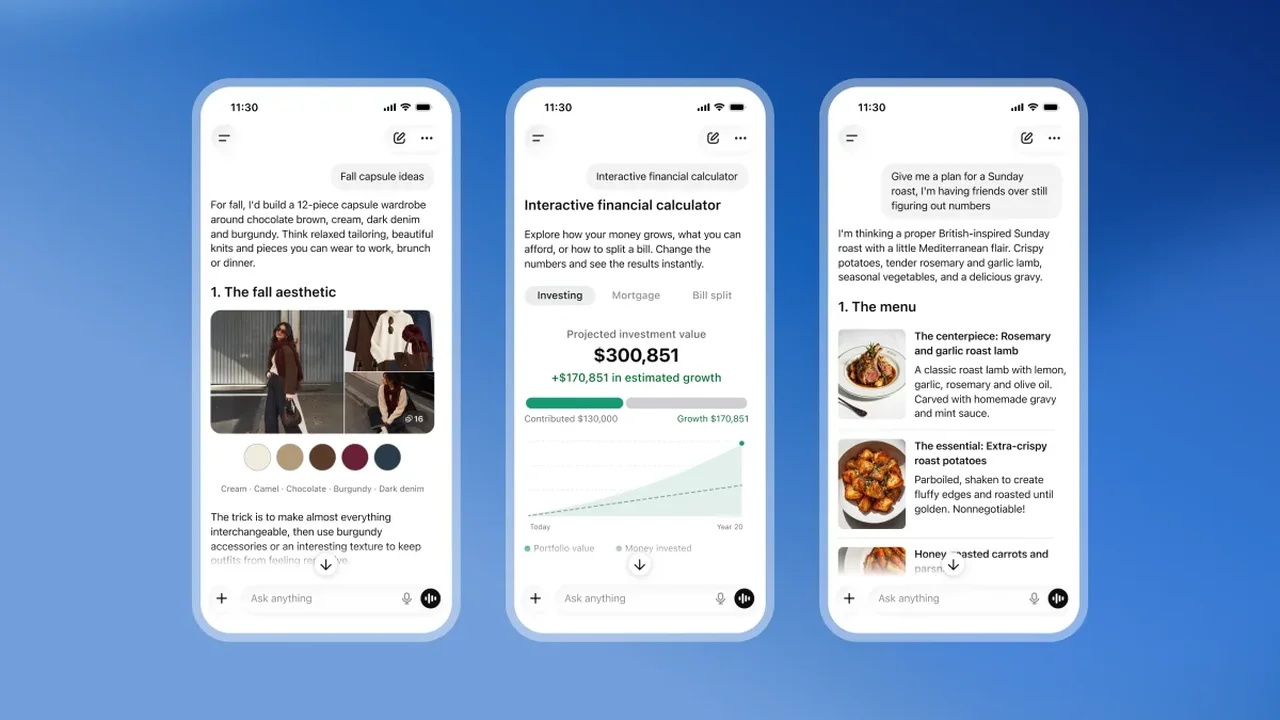
The variety of images that can be created is astounding. From photorealistic scenes to magazine layouts and handwritten notes, the detail is striking--right down to the appearance of coffee stains on paper. OpenAI's official announcement showcases these capabilities, illustrating the impressive realism achievable with this new model.
While the advancements in image generation are impressive, it is the enhancement in text accuracy that stands out. Users can now request specific content, such as restaurant menus or fictional news articles, and receive outputs that are coherent and realistic. For instance, a generated menu for an Italian restaurant or a fictional announcement about a sports team switching cities showcased the model's ability to create believable text without noticeable errors.
Despite these advancements, there remain some limitations. OpenAI acknowledges that Images 2.0 can still struggle with intricate tasks like puzzles or details in obscure locations. Nevertheless, the overall quality is sufficient to deceive most viewers, leading to an increase in AI-generated content in everyday life.
As the capabilities of AI image generation continue to improve, we may soon find ourselves surrounded by visuals that blend seamlessly into our reality. This evolution not only signifies a technological leap but also invites us to reconsider our relationship with digital content in the future.