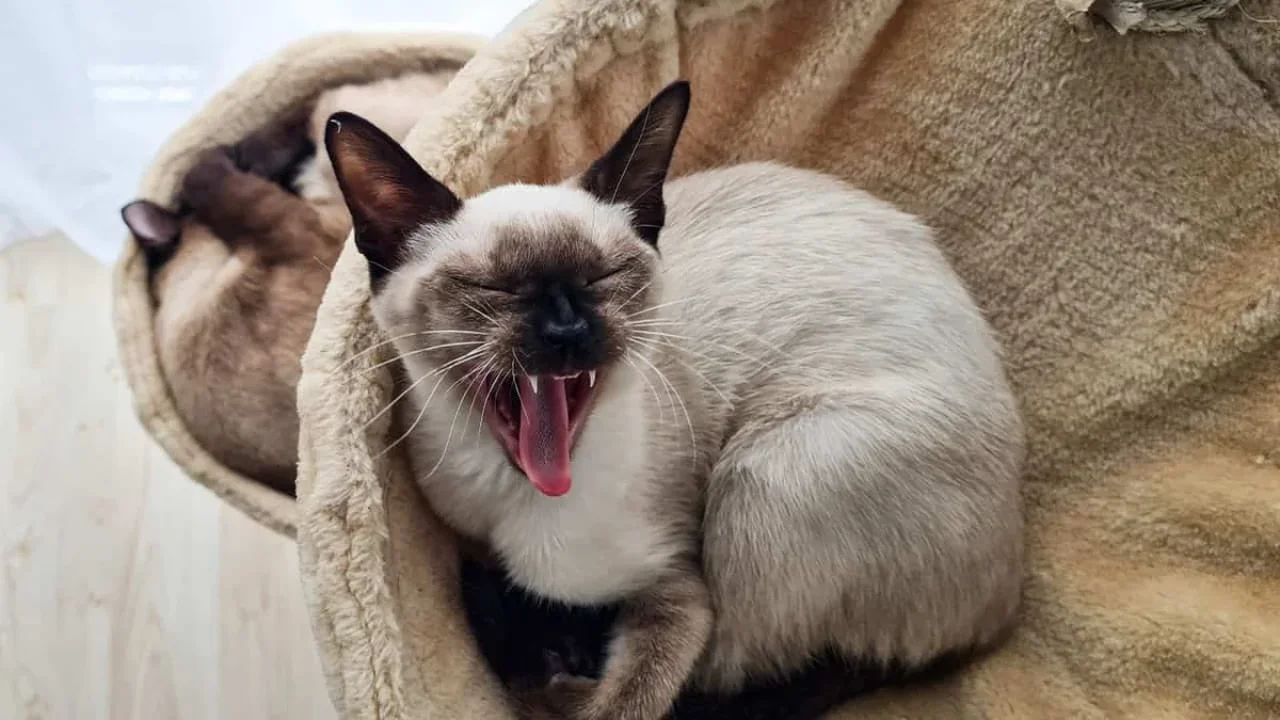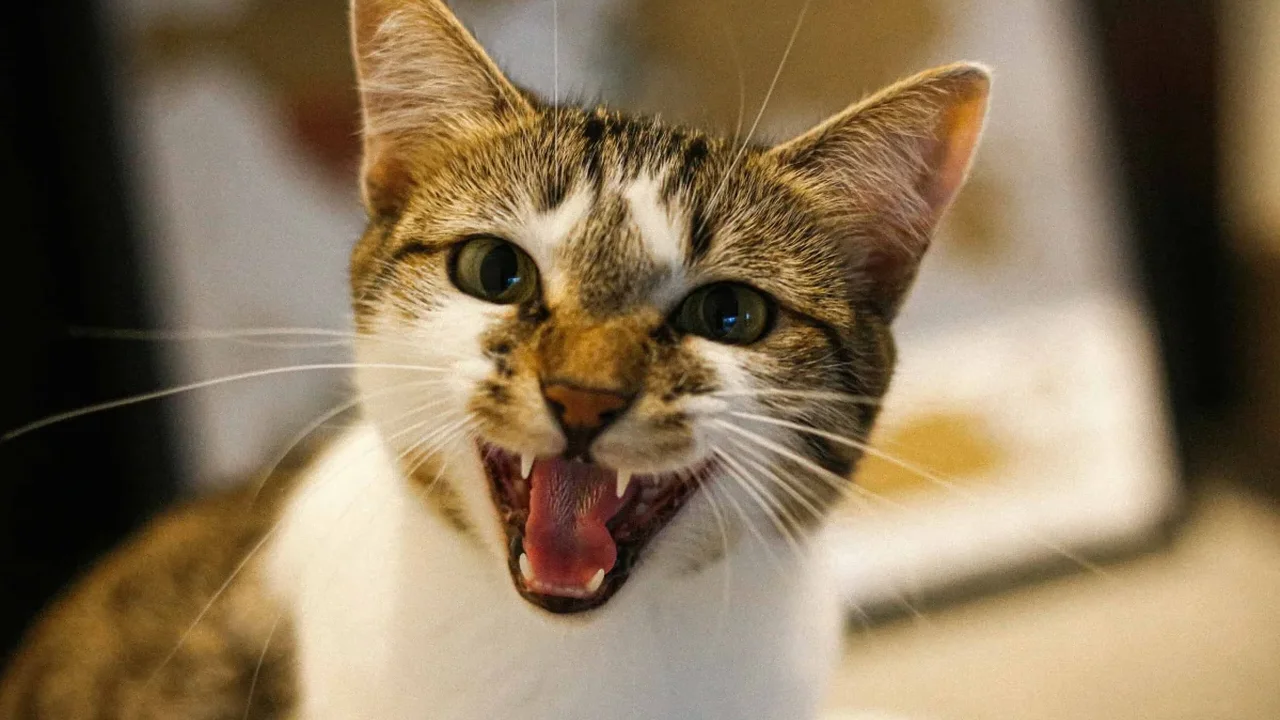
A cat's meow may be more than a spontaneous reaction: it can be a flexible signal directed at someone who might help. A study from the University of São Paulo, published in Animal Behaviour, examined how cats communicate when food is visible but out of reach.
A call for a human audience
Researchers observed 38 cats known to vocalize around food. Each encountered a favourite treat sealed inside a container, first with an attentive person present and then alone. During the one-minute observations, the cats meowed 86 times when a person was there, compared with 20 meows when no one was in the room. The likelihood of meowing was more than 16 times higher in the person's presence.
The cats also looked toward the human, sometimes shifting their gaze between the person and the inaccessible treat. When alone, they were more likely to stand still and look toward the door. Together, these behaviours suggest cats may adapt their signals to the possibility of getting a response, rather than meowing only as an expression of emotion.
The findings fit with earlier research showing that cats use gaze and other social cues to communicate with people. A meow's meaning can depend on the situation and the individual cat, so interpreting it may require attention to more than sound alone.
As research clarifies how cats tailor communication to human listeners, it may help deepen understanding of the everyday connections between people and companion animals.