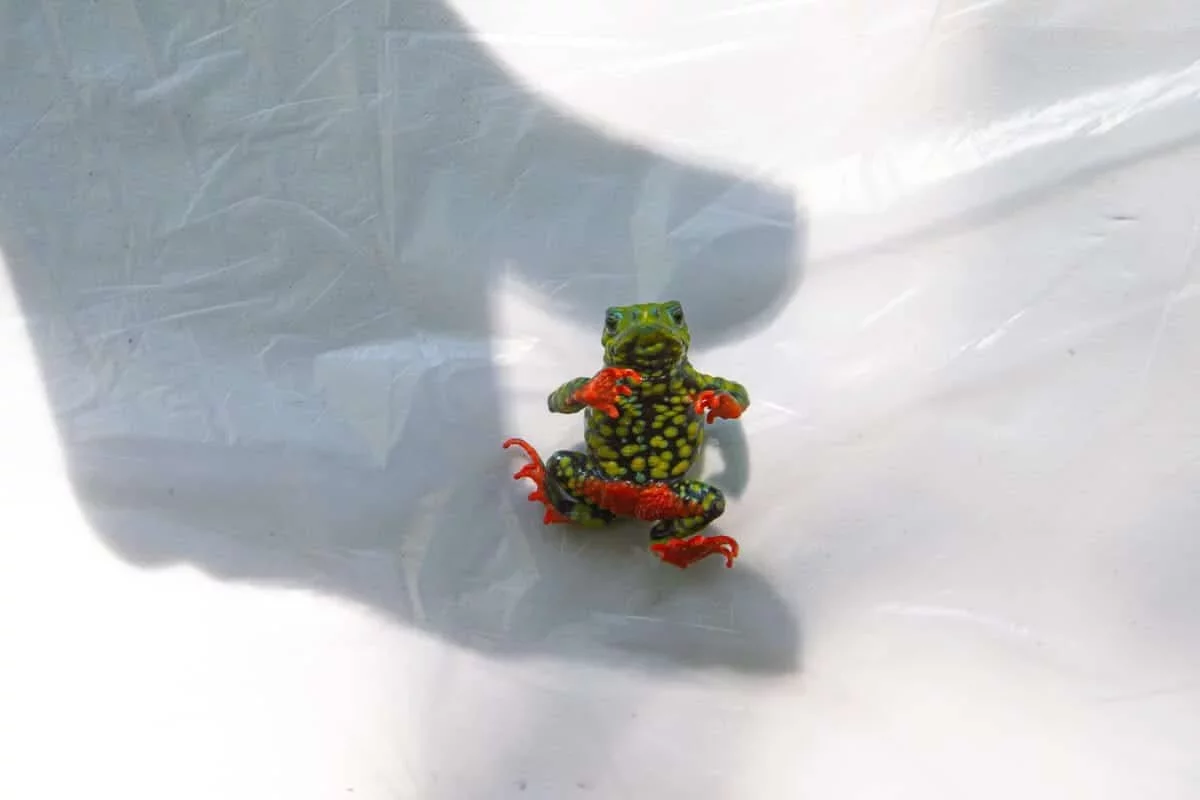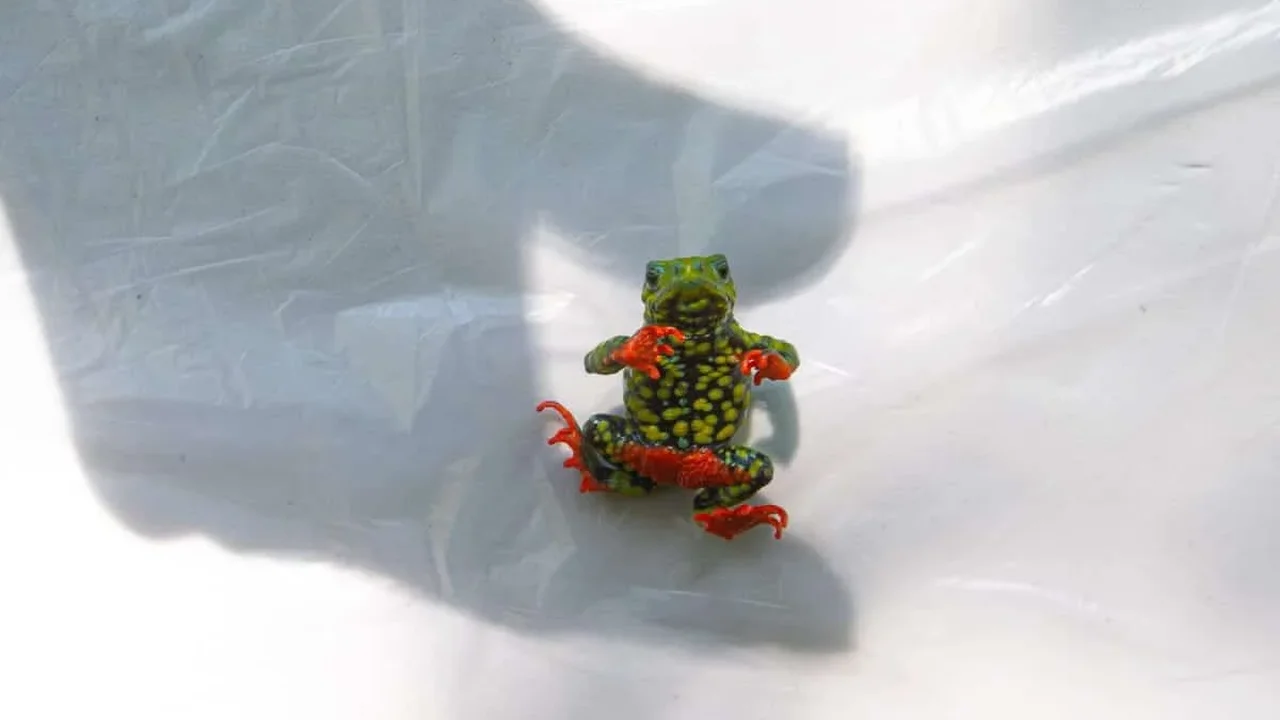
In southern Brazil, a thumb-sized amphibian has become a remarkable example of how science and conservation can reshape outcomes. The admirable little red-bellied toad (Melanophryniscus admirabilis), found only along a narrow stretch of the Forqueta River in Rio Grande do Sul, once helped stop a hydroelectric project that would have altered its entire habitat.
First described in 2006, the species stands out for its green back and vivid warning colors on its belly and legs. Those markings signal toxicity to predators and also help researchers identify individuals through the unique pattern of glands on each toad's underside. For biologist Michelle Abadie and her team at the Federal University of Rio Grande do Sul, those details have become essential tools for long-term monitoring.
The species' story gained wider attention after the 2024 floods in Rio Grande do Sul, which transformed the landscape around Perau de Janeiro, the toad's only known home. When researchers returned in 2025, they found signs of recovery: adults, juveniles, tadpoles, and mating pairs. In two days of fieldwork, the team recorded 111 individuals, suggesting the reproductive cycle is still active.
The toad's survival depends on a very specific rhythm of rain, sun, and temporary puddles formed on rocky outcrops. That makes habitat stability especially important. The site is also under pressure from surrounding land use, including plantations, which adds urgency to conservation planning. The area is recognized as a Key Biodiversity Area and an Alliance for Zero Extinction site, while researchers continue to advocate for stronger protection.
Beyond field science, the project has also connected with local communities and schools, turning the toad into a living lesson in biodiversity. As monitoring continues over the next three years, the species may become an even stronger model for how local action, research, and policy can work together to protect unique ecosystems. Its future could help shape a more resilient approach to conservation worldwide.