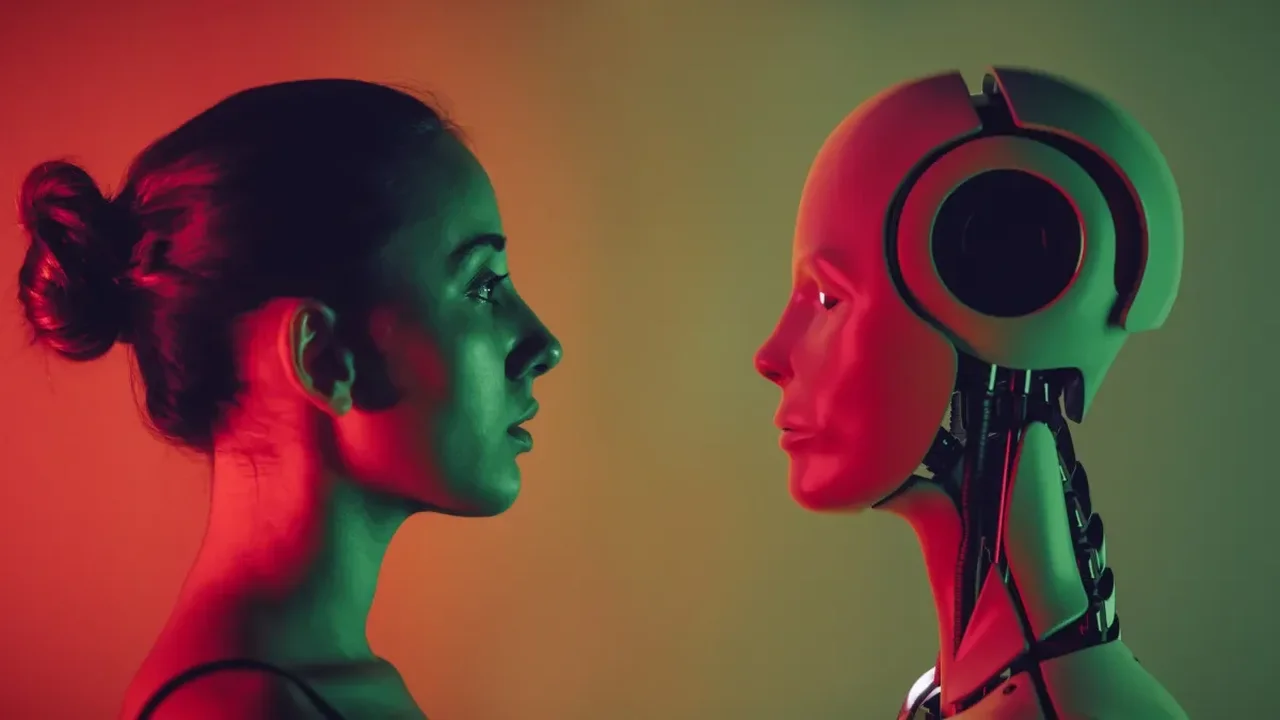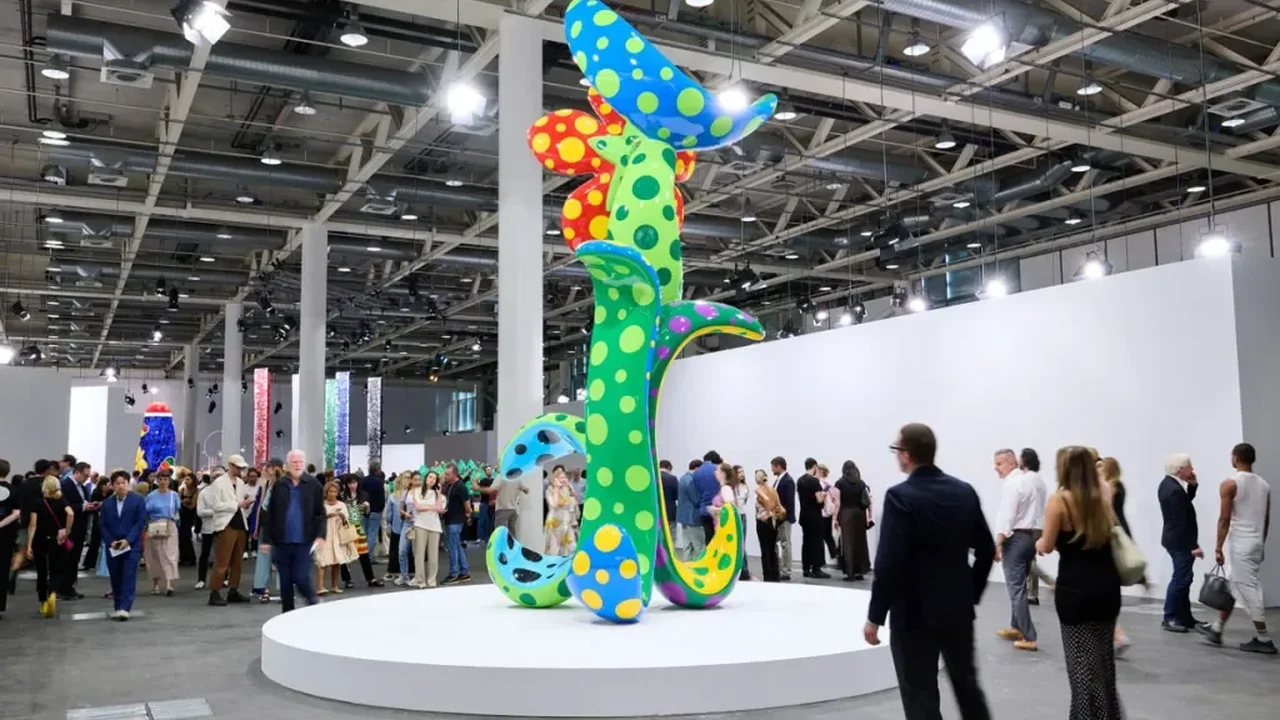
Artificial intelligence is gaining a meaningful role in the art world, reshaping how high-net-worth collectors discover, research and evaluate works. The latest Art Basel and UBS Survey of Global Collecting, authored by arts economist Clare McAndrew, highlights a growing blend of digital intelligence and traditional connoisseurship.
The survey gathered responses from 3,100 affluent collectors across 10 major markets. It found that 22% now use apps or AI-powered tools for collecting recommendations, up sharply from 4% in 2024. Most respondents see these technologies as valuable for improving artist discovery, personalised guidance, provenance research, authenticity checks and pricing analysis.
Research-led collecting gains momentum
AI is not replacing expert advice but becoming part of a wider research process. Nearly three-quarters of surveyed collectors said they conduct moderate or extensive research before acquiring art, including market analysis and conversations with specialists and fellow collectors. Among Gen Z respondents, that figure rose to 80%.
Use of AI was broadly consistent across age groups: 23% of Gen Z collectors use these tools, compared with 21% of Gen X and Baby Boomer collectors. Only a small share relies entirely on digital channels, suggesting that personal relationships, expertise and direct engagement remain central to collecting decisions.
Tradition meets a private, digital generation
Family remains the most common introduction to collecting, influencing 28% of respondents overall and 40% of Gen Z participants. Painting was the leading first acquisition, followed by sculpture, photography, works on paper and digital art.
Collectors also showed a strong preference for privacy. Almost two-thirds primarily share their collections with family or close networks, while Gen Z reported the highest tendency to limit both in-person and online access. The findings suggest that rarity, discovery and provenance increasingly carry cultural value alongside public visibility.
Average fine-art spending rose 13% year on year to $124,265 in 2025, with Gen Z recording the highest average outlay. As AI expands access to knowledge while collectors maintain selective communities, the future art market may become more informed, personalised and globally connected.