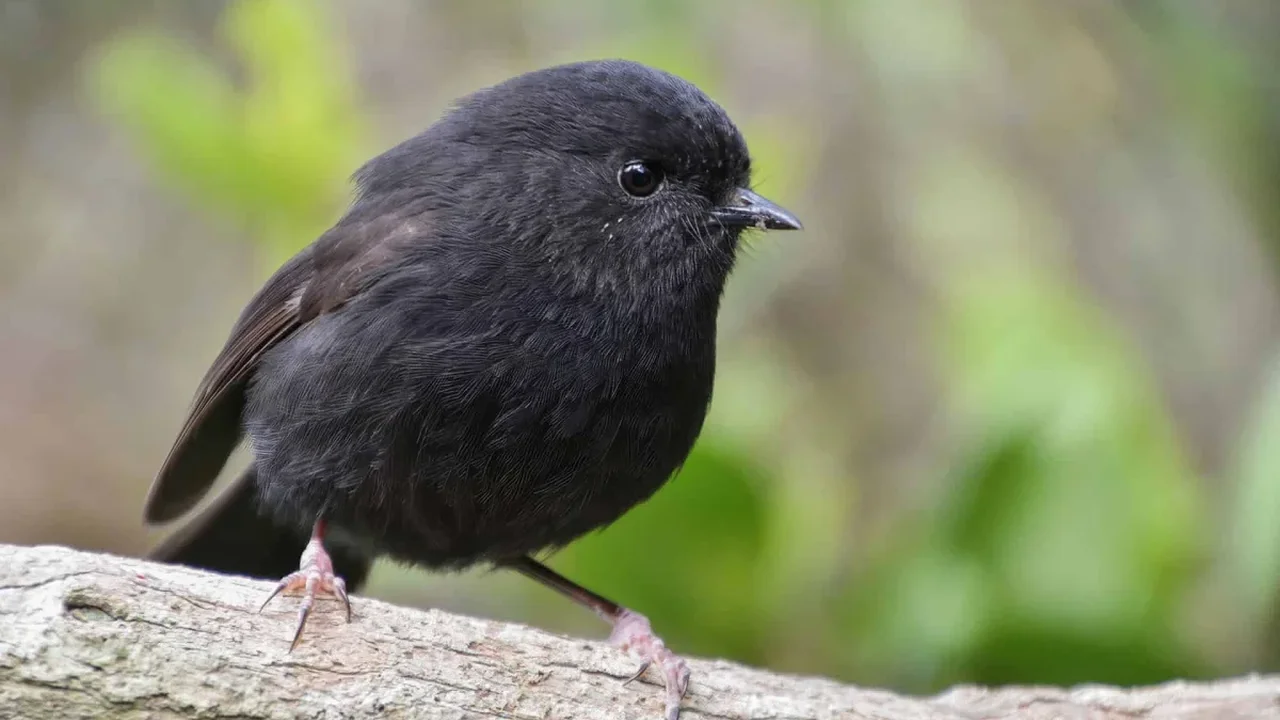
The karure, also known as the Chatham Islands black robin, has been named New Zealand's 2026 Bird of the Year after receiving 25,610 votes in a nationwide celebration of native wildlife. More than 105,000 people joined the annual event, highlighting growing public interest in biodiversity and conservation.
The recognition carries special meaning for a bird whose population once fell to just five individuals in 1980, including a single fertile female. Through decades of careful conservation work, the species has grown to around 350 adult birds across two protected, predator-free islands in the Chatham Islands.
A landmark conservation recovery
The black robin's recovery began with innovative hands-on care. Conservation teams used cross-fostering, allowing Chatham Island tits to raise some black robin eggs and chicks. This approach enabled the remaining robins to breed more frequently and helped accelerate population growth.
Every black robin alive today descends from Old Blue, the species' last fertile female during its most vulnerable period. Her legacy has become one of New Zealand's most recognised examples of wildlife recovery through science, patience and long-term habitat stewardship.
Building a stronger future population
Conservationists continue to manage the species carefully. In 2022, ten female black robins were moved from Rangatira Island to Mangere Island to support a more balanced breeding population. Five breeding seasons later, Mangere Island held 39 adults, with new chicks successfully fledging during the 2025-26 season.
The transfer also increased genetic diversity within the island population. Birds with Rangatira ancestry have shown stronger survival and breeding outcomes, offering valuable insight for future conservation planning.
Attention is now turning to the next stage: expanding suitable habitat beyond the species' two current island refuges. The Chatham Islands Landscape Restoration Trust is exploring habitat restoration opportunities on Pitt Island, where safe nesting areas and reliable food sources could support another population.
The black robin's Bird of the Year win celebrates more than a popular species. It reflects how community engagement, ecological knowledge and sustained action can transform a fragile population into a lasting conservation story. Its next chapter may help shape new models for restoring island ecosystems worldwide.