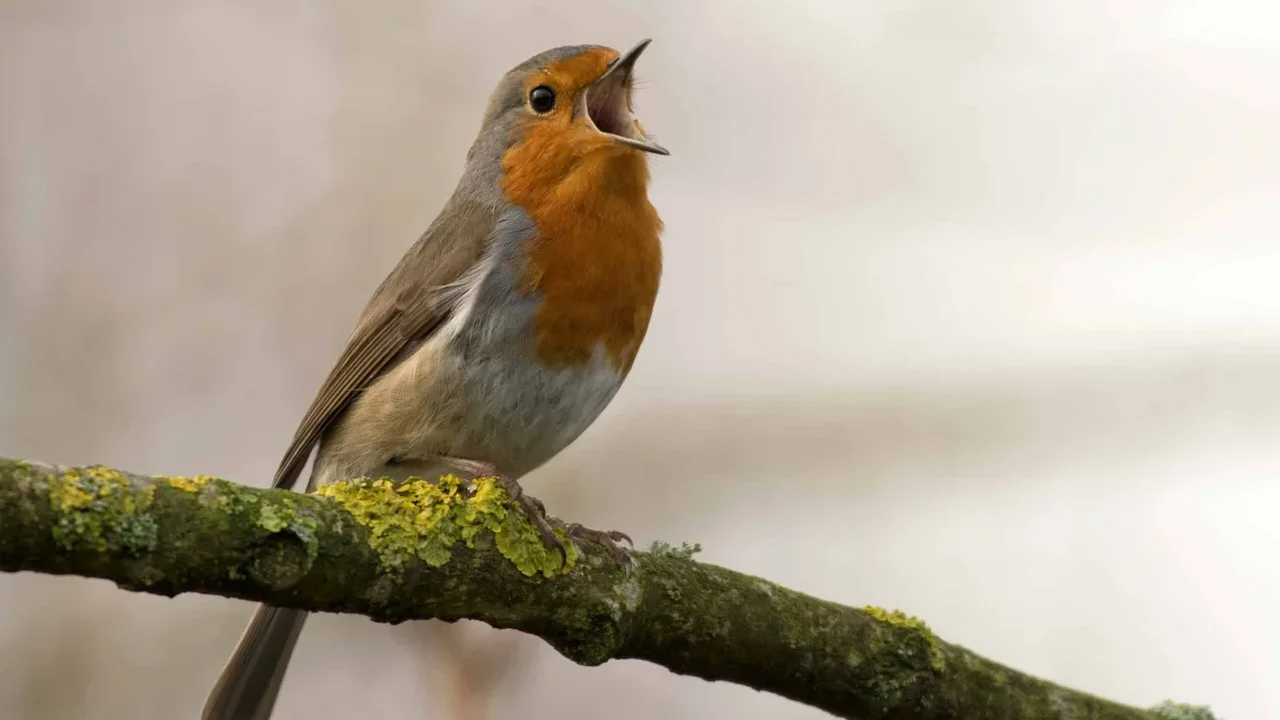
A comparison of vocal sounds from 367 bird species and speech and song in 52 human languages has uncovered striking similarities in how birds and people arrange sounds. The findings were published in the journal Science.
Researchers analyzed more than 70,000 birdsong syllables and compared them with human vocal recordings. In both, phrases often end with longer syllables, neighboring notes or sounds tend to avoid sharp pitch shifts, and sequences commonly follow steady, predictable rhythms.
The patterns varied across species: some birds' songs were closer to human song, while others resembled speech more. The team also found little evidence that vocal learning--the ability to acquire sounds by listening--explains the shared structures.
What may shape the similarities?
The researchers suggest that the mechanics of sound production could play a role. In birds and humans alike, vocal muscles must coordinate precisely with airflow from the lungs. Further research is needed to test whether this coordination helps shape vocal sequences in other species, too.
The results point to common principles behind sounds produced by very different creatures. Studying them further could deepen our understanding of how communication and musical expression emerge across the living world.