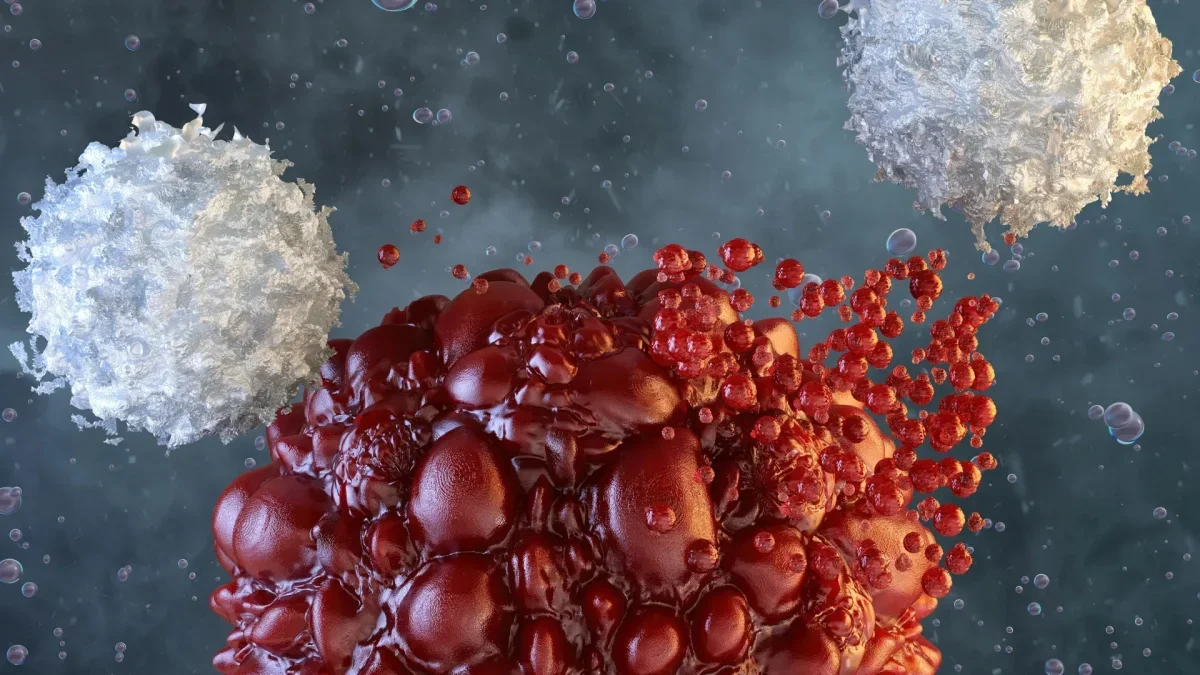
Recent research published in Nature sheds light on the function of brown fat, a type of body fat that burns calories to generate heat, contrasting with white fat, which primarily stores energy. For years, scientists believed that brown fat's heat production relied on a singular biological pathway. However, recent studies have unveiled a secondary pathway that operates in conjunction with the primary one, although its activation mechanism remained elusive.
A research team led by Lawrence Kazak from McGill University's Rosalind and Morris Goodman Cancer Institute has successfully pinpointed the molecular trigger for this alternative pathway, termed the futile creatine cycle.
Understanding the Activation of Brown Fat
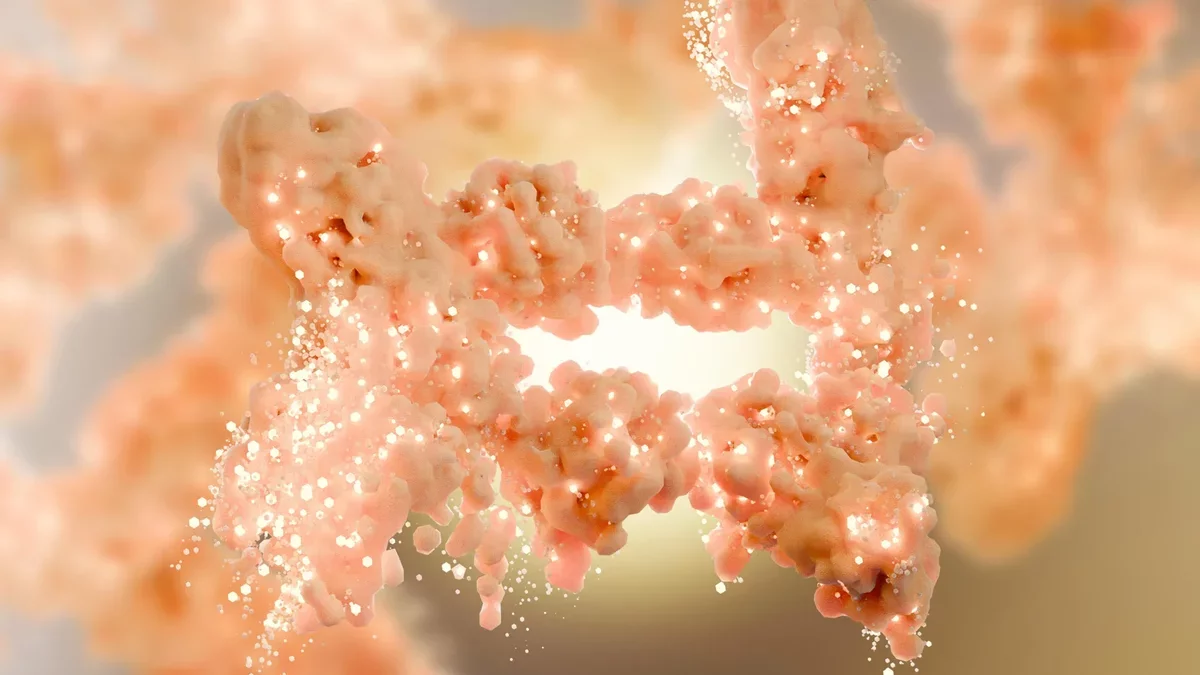
When exposed to cold, the body mobilizes stored fat to produce heat, resulting in the release of glycerol--a byproduct of fat metabolism. Collaborating with structural biologist Alba Guarné, the researchers found that glycerol interacts with an enzyme known as TNAP within a specific region they refer to as the glycerol pocket. This interaction is crucial for activating the alternative heat-generating pathway.
"This discovery marks the first identification of how an alternative heat-producing pathway can be activated, distinct from the classic mechanism," Kazak, who serves as an Associate Professor in Biochemistry and Canada Research Chair in Adipocyte Biology, stated. "This knowledge expands our understanding of how various energy-burning systems collaborate to maintain optimal body temperature."
Implications for Bone Health
The significance of this finding extends beyond metabolic and obesity research; it holds immediate promise for advancing bone health. This is particularly relevant as TNAP plays a critical role in bone formation and mineralization.
TNAP is vital for calcification, which is essential for developing and sustaining strong bones. Reduced activity of this enzyme can lead to hypophosphatasia, a rare condition characterized by "soft bones," resulting in fractures and chronic pain. Certain genetic mutations have made this condition more prevalent in regions like Quebec and Manitoba.
Through laboratory studies on TNAP mutations, the researchers discovered that the same molecular switch activating energy-burning fat cells also influences the cells responsible for bone mineralization.
This research builds on previous work by McGill co-author Marc McKee and José-Luis Millán from the Sanford Burnham Prebys Medical Discovery Institute, who developed a pioneering enzyme replacement therapy aimed at hypophosphatasia patients with faulty TNAP enzymes.
"Our findings pave the way for innovative treatments that could enhance TNAP enzyme activity through its glycerol pocket using natural or synthetic bioactive compounds, potentially restoring healthy bone mineralization," said McKee, a Professor in both the Faculty of Dental Medicine and Oral Health Sciences and the Faculty of Medicine and Health Sciences, and a Canada Research Chair in Biomineralization.
Researchers have already identified numerous potential drug candidates for further exploration.
Study Overview
The study titled "Glycerol-driven TNAP activation in thermogenesis and mineralization," authored by Mohammed Faiz Hussain, Lawrence Kazak, and others, was published in Nature. The project involved collaborations with scientists from Queen Mary University of London, Northeastern University, and other institutions, supported by funding from various Canadian research organizations.