Bavaria has introduced a new framework for assessing claims tied to Nazi-looted art, moving the process to a dedicated center at the Institute for Contemporary History in Munich.
The new Center for Provenance Research and Restitution Issues of Nazi-Looted Art is designed to place evaluations outside the museums that hold the works, a shift intended to strengthen independence and public trust. The initiative was described by Andreas Wirsching, director of the IfZ, as a major step forward.
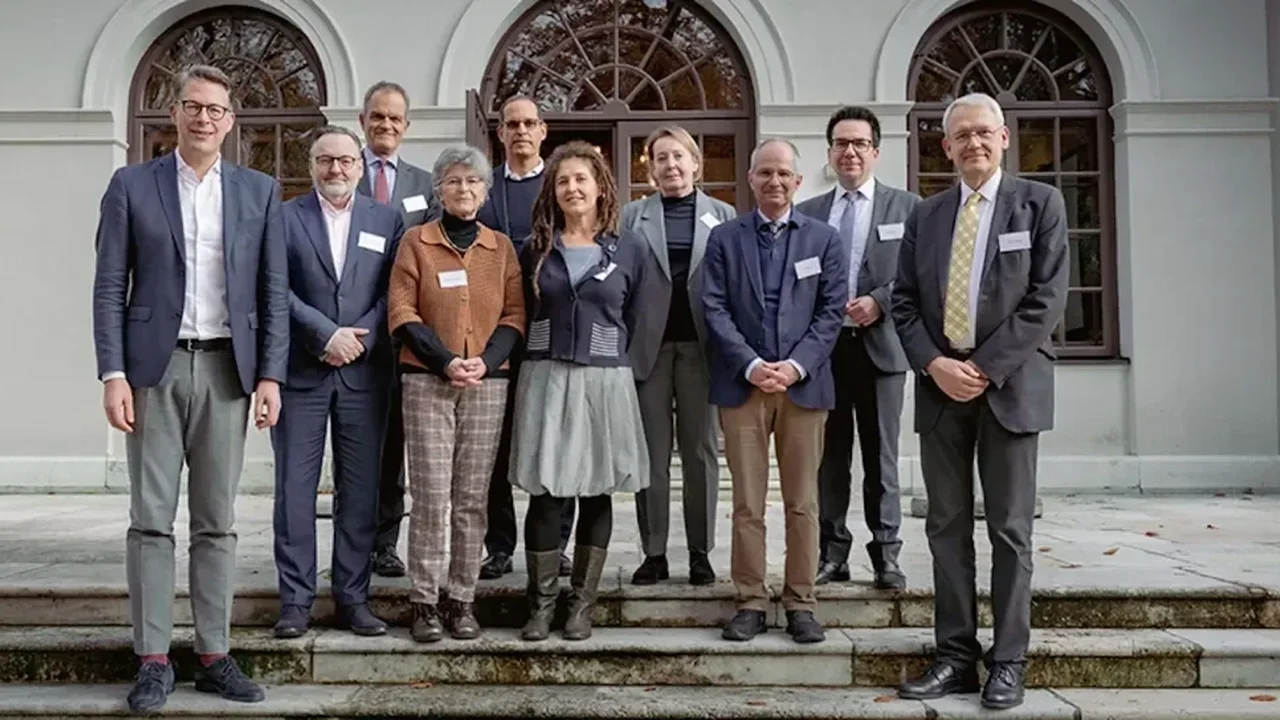
The reform follows the work of a roundtable on historical responsibility and will be guided by a panel chaired by Raphael Gross, head of the German Historical Museum in Berlin. The group includes eight specialists in history, art history, and law, and is set to operate for five years.
Bavaria's Minister of Art, Markus Blume, said the new structure reinforces research and supports restitution recommendations under the updated national arbitration framework for looted property. The move also reflects a broader European approach already seen in countries such as Austria and the Netherlands.
In a related development, Bavaria also returned Pablo Picasso's Fernande/Beatrice (1905) to the heirs of German-Jewish dealer Alfred Flechtheim, marking another step in the state's evolving restitution policy. The new system may help set a clearer standard for cultural heritage review in the years ahead.