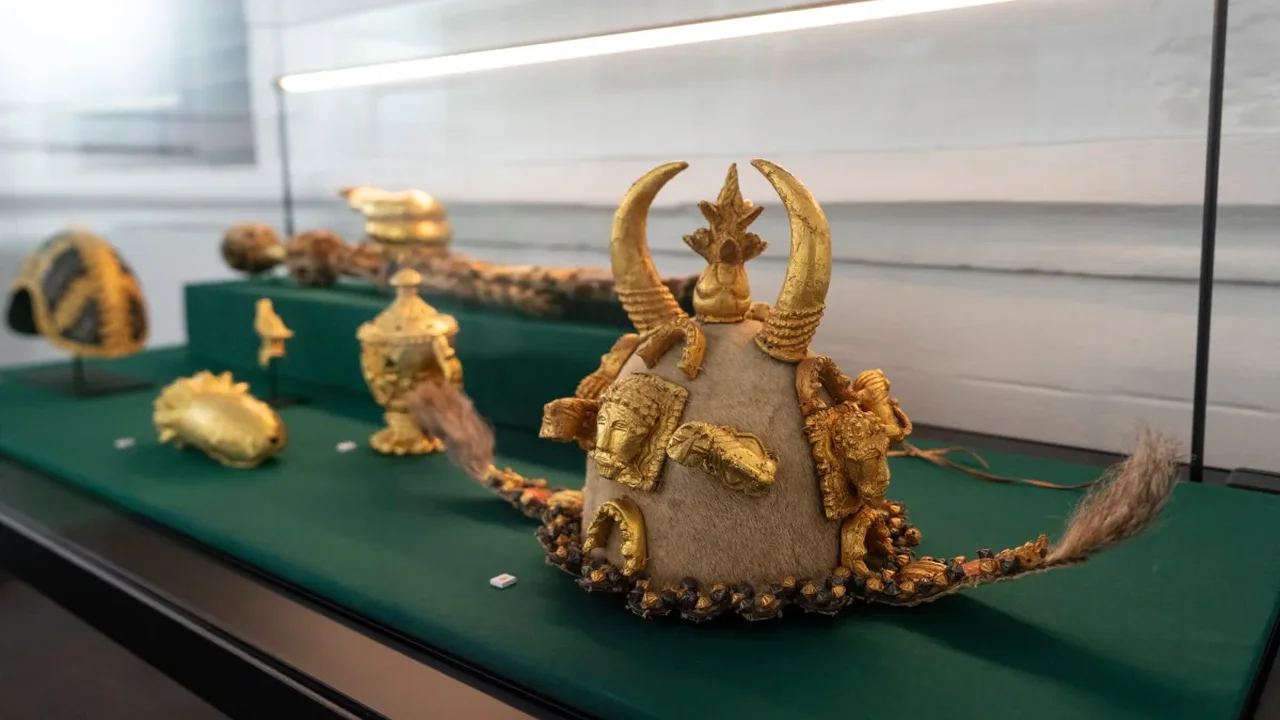
The discussion around Britain's return of Asante gold has become a powerful example of how cultural heritage continues to shape global conversations. The story reaches back to the late 19th century, when Prempeh I became Asantehene in 1888 and faced growing British pressure on the Gold Coast.
After the 1873-74 conflict remembered by the Asante as the Sagrenti War, British forces entered Kumasi again in 1895. Royal spaces were looted and burned, while the British also demanded a large gold indemnity and the sacred Golden Stool, a central symbol of Asante identity. Prempeh was later sent into exile in the Seychelles, where he remained for nearly three decades.
That history is now being revisited through Barnaby Phillips's book, The African Kingdom of Gold: Britain and the Asante Treasure (2026). Drawing on archival material and interviews, the work traces how objects taken during colonial expansion have continued to carry meaning across generations.
For many readers and cultural institutions, the Asante case reflects a broader shift toward historical accountability and the preservation of heritage with context and respect. It also highlights how museums, scholars, and communities are rethinking the future of collections shaped by empire.
As these conversations expand, they may help define a more collaborative model for how the world protects and shares cultural memory in the years ahead.