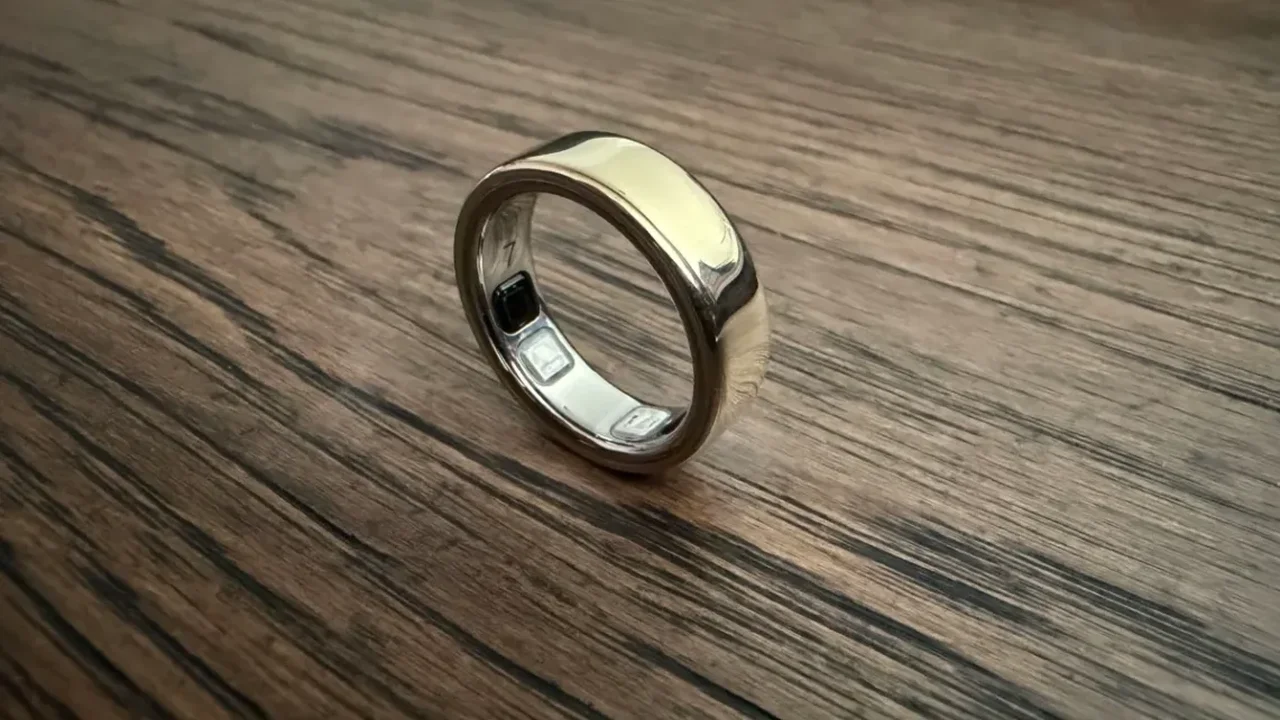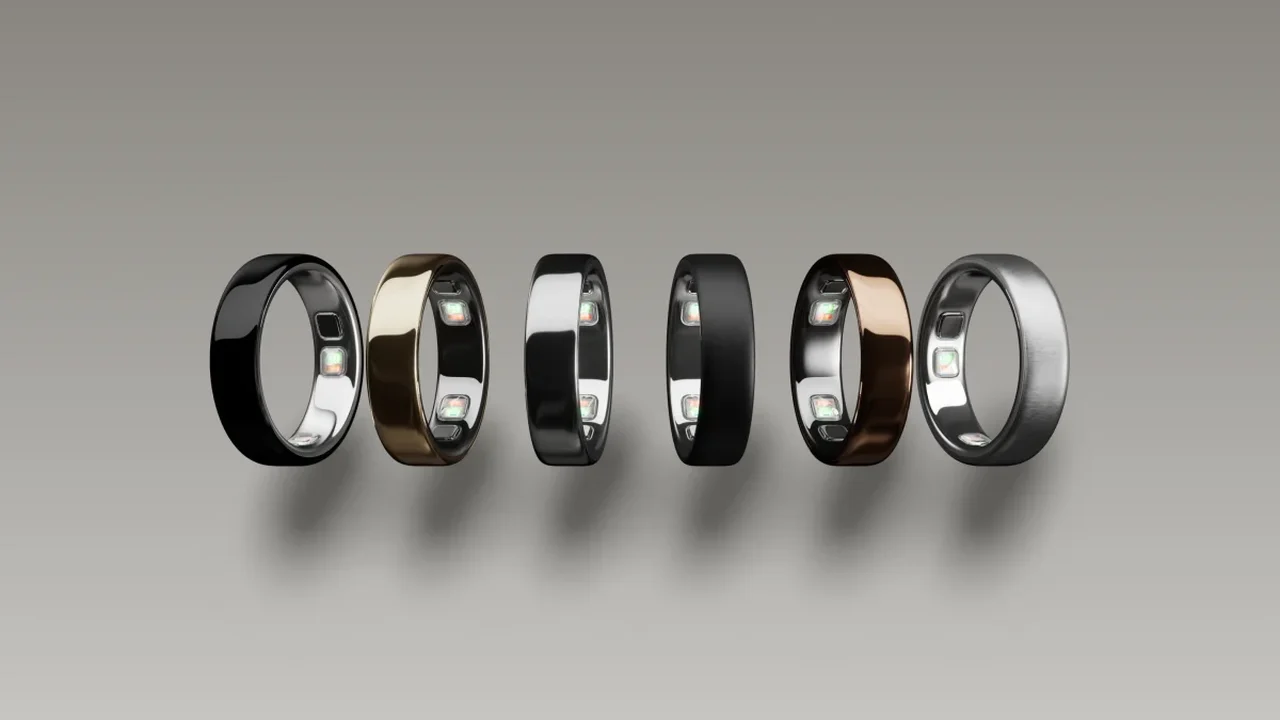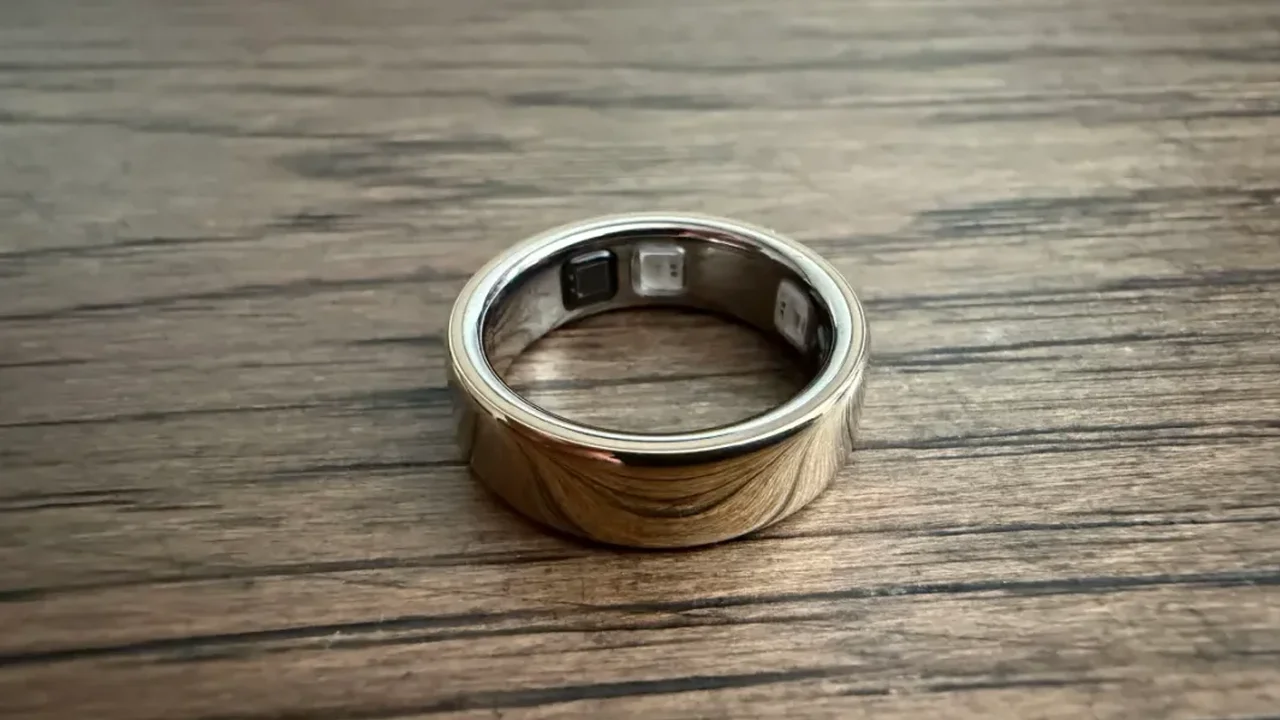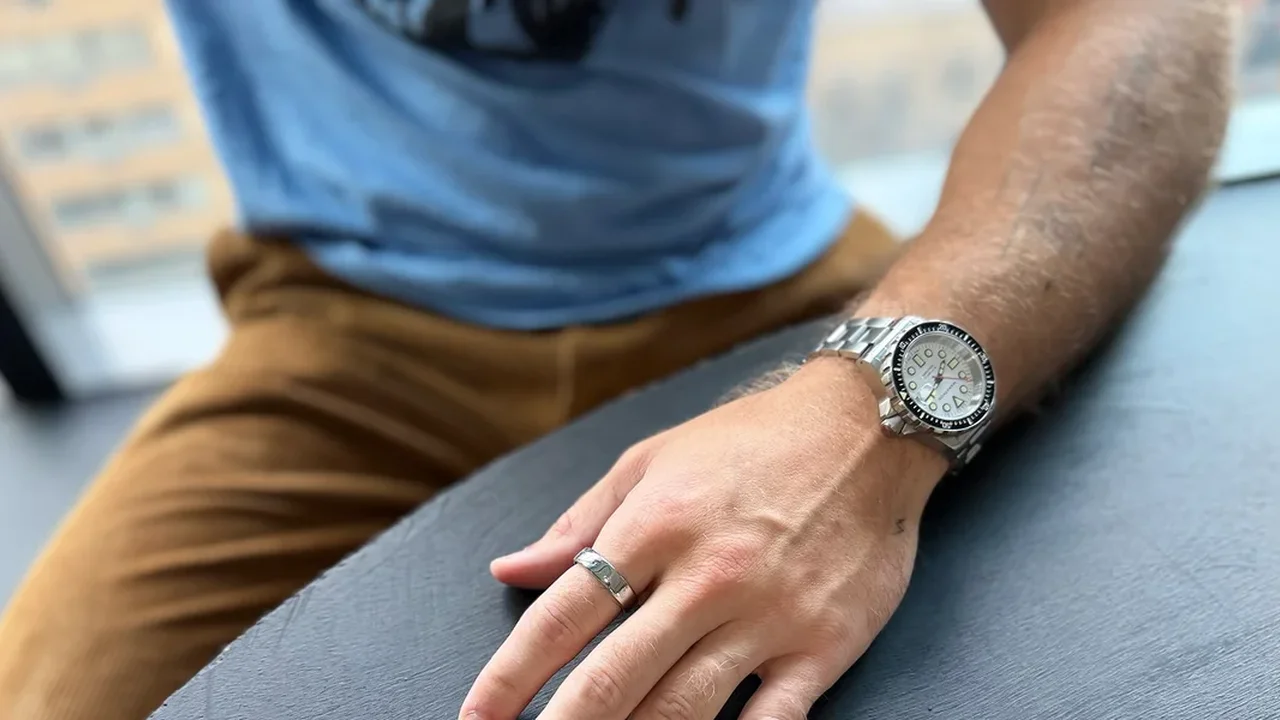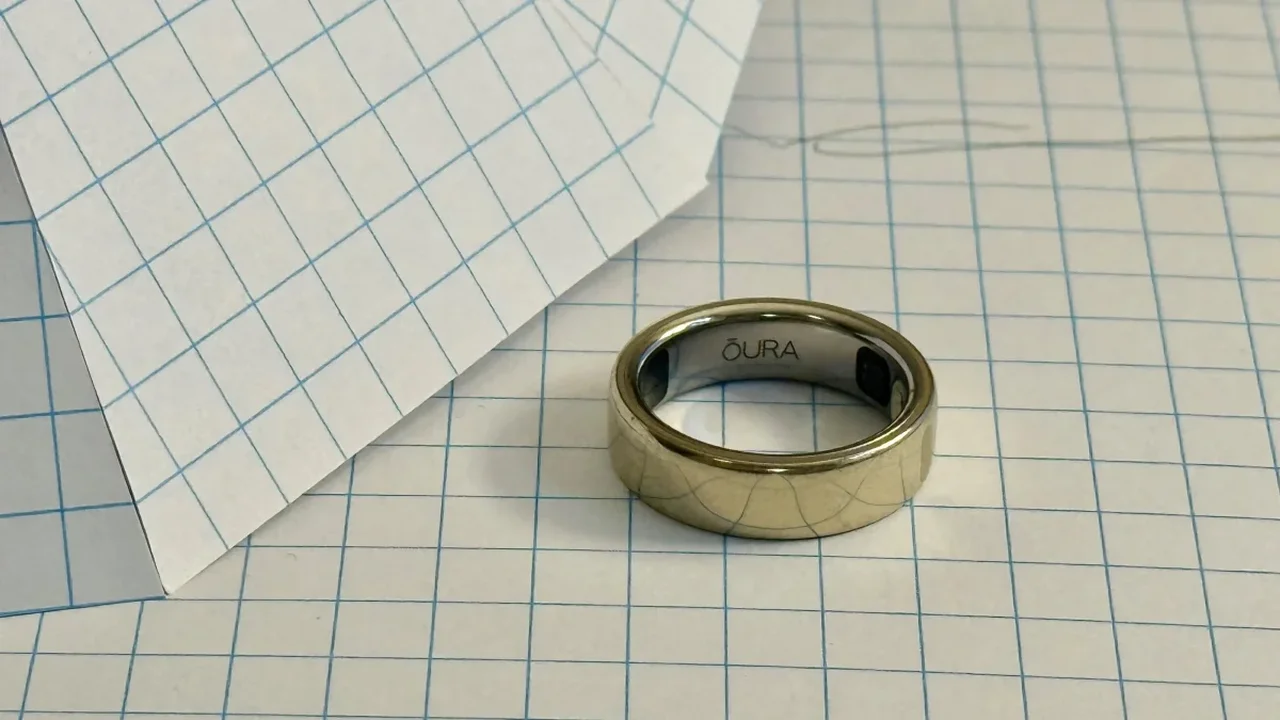
Smart ring maker Oura is facing a class-action lawsuit over claims that its device can accurately measure sleep stages. The company says it stands behind its research, while the plaintiffs argue that the ring relies on estimates rather than direct sleep measurements.
What the case is about
The lawsuit, filed by Clarkson Law Firm in California on behalf of a customer, says the Oura Ring cannot definitively determine sleep stages. Oura has responded with a public statement defending its science and saying consumer wearables can still provide useful sleep insights.
The bigger question: what can wearables really know?
The debate goes beyond one product. Wearables typically collect signals such as heart rate, movement, skin temperature, and blood oxygen estimates, then use algorithms to interpret them. That means many sleep metrics are not direct measurements, but calculated predictions based on sensor data.
As a result, sleep scores and stage breakdowns can be helpful for spotting patterns, but they should be read as guidance rather than absolute truth. Experts often recommend focusing on broader trends, such as total sleep time, consistency, and how rested you feel during the day.
Why the discussion matters
Oura says several scientific teams have published peer-reviewed studies on its sleep data, and the company continues to position its ring as a research-backed wellness tool. Still, the case highlights a wider challenge in wearable tech: consumers want precision, while the devices often deliver intelligent estimates.
For now, the lawsuit has not reached a final ruling, and Oura products remain available. The outcome may help shape how future wearables explain their data, and how users understand the line between measurement and interpretation.