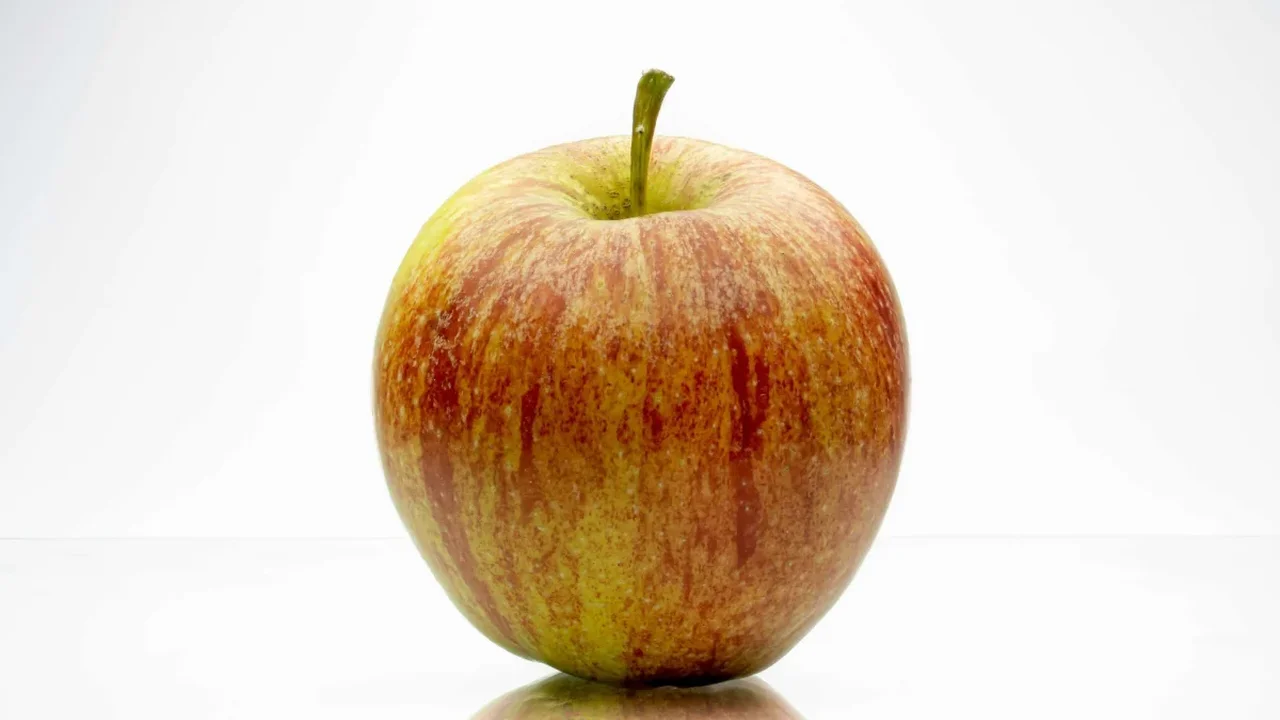
Washing apples under running water is a simple everyday step, but laboratory research suggests that a baking soda soak can reduce certain pesticide residues on fruit skins more effectively. It cannot, however, remove every chemical or reach residues that have penetrated the apple.
In a 2017 experiment, researchers at the University of Massachusetts Amherst compared tap water, a sanitizing solution and a 1% baking soda mixture on apples treated with two pesticides. The baking soda solution removed detectable surface thiabendazole after 12 minutes and phosmet after 15 minutes. A brief rinse made little difference in the overall residue levels.
The researchers also found that some pesticide had moved beneath the skin. After 24 hours, about 20% of the thiabendazole and 4.4% of the phosmet had entered the apples. Washing the surface could not reliably remove those residues.
What later research found
A 2025 study tested additional washing methods against thiabendazole. Soaking fruit in a 2% cornstarch solution and then a 5% baking soda solution removed around 92-94% under the study's conditions. The findings involved a specific pesticide and do not establish that the method works equally well for all agricultural chemicals.
Everyday washing advice
For routine cleaning, the U.S. Food and Drug Administration recommends rinsing produce under running water while gently rubbing its surface, then drying it with a clean cloth or paper towel. The agency advises against washing fruit with soap, detergent or commercial produce washes.
If you want to try baking soda, the 2017 experiment used about one teaspoon in two cups of water, followed by a thorough rinse. Peeling may remove some residues in the skin, but also takes away fiber and other beneficial plant compounds.
As research refines how household washing methods perform, clearer evidence may help people make practical choices while keeping routine produce cleaning simple.