Astronomers have identified erythrulose, a true sugar, in interstellar space for the first time. The discovery was made in a chemically rich cloud near the center of the Milky Way, adding a new piece to the story of how complex organic chemistry can emerge beyond Earth.
A Milestone in Space Chemistry
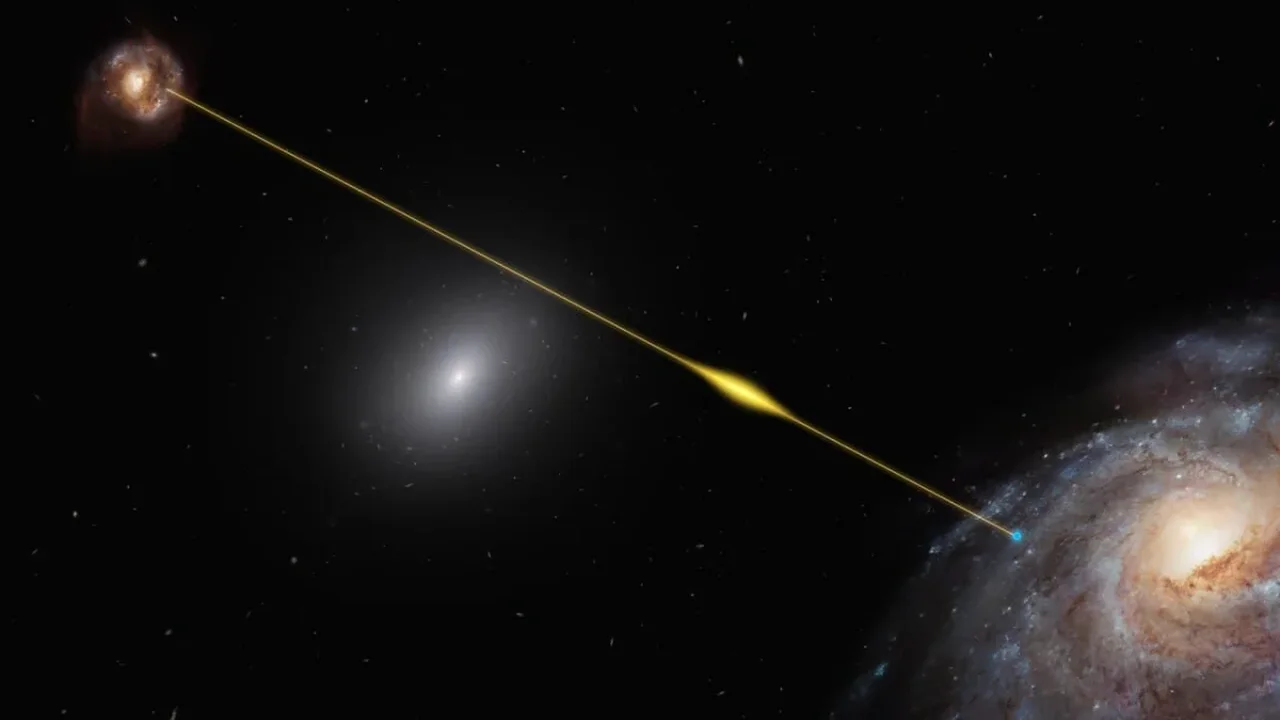
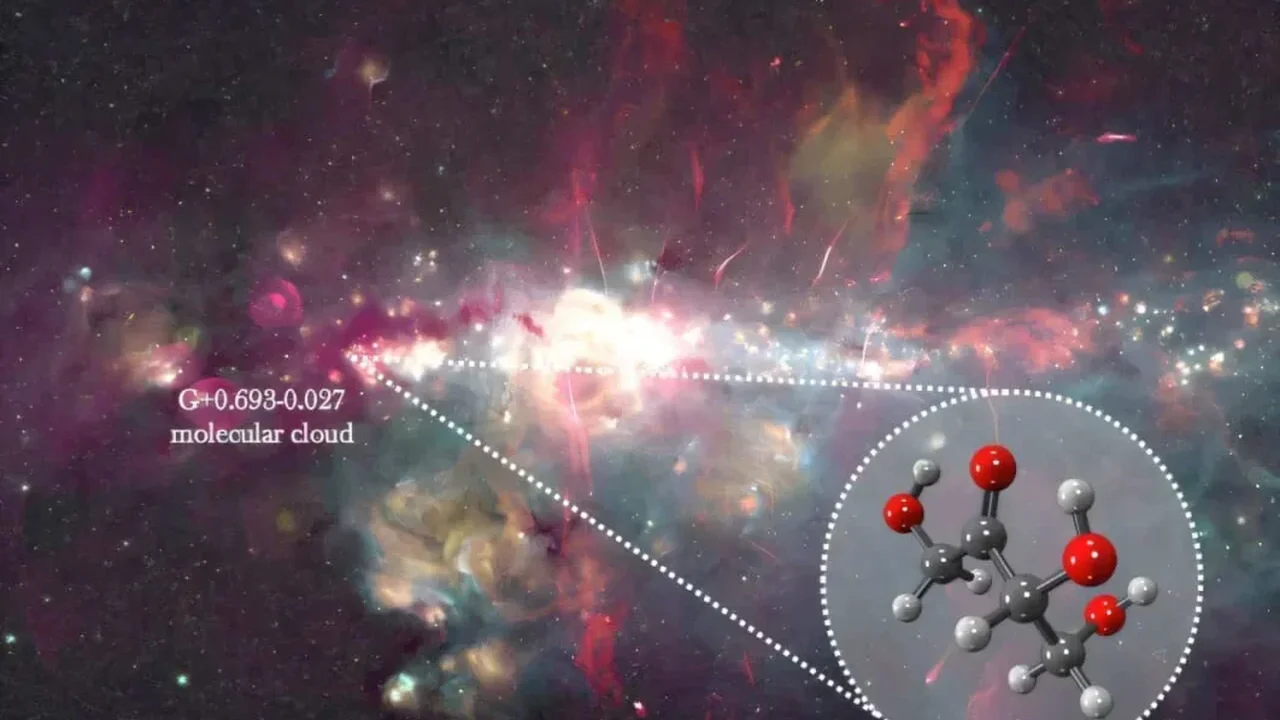
The molecule was detected in the cloud G+0.693−0.027, located about 27,000 light-years away in the Galactic Center region. Led by Izaskun Jiménez-Serra of Spain's Center for Astrobiology, the international team found signs of erythrulose using radio observations from the Yebes 40-meter and IRAM 30-meter telescopes.
Erythrulose is a four-carbon monosaccharide, placing it in the same broad family as sugars connected to RNA and DNA chemistry. While it is not itself part of genetic material, its presence suggests that some of the ingredients linked to early biology can form in space long before planets are born.
The detection relied on the molecule's rotational spectrum, a kind of radio fingerprint that allows scientists to identify compounds across vast distances. Laboratory measurements prepared by chemist Emilio Cocinero at the University of the Basque Country helped confirm the match.
Why It Matters
Scientists have previously found sugar-related molecules in meteorites and asteroid samples, but this is the first direct evidence of a true sugar floating between stars. That makes the result especially important for astrobiology, because it strengthens the idea that young planets may inherit prebiotic materials from the clouds that form stars and planetary systems.
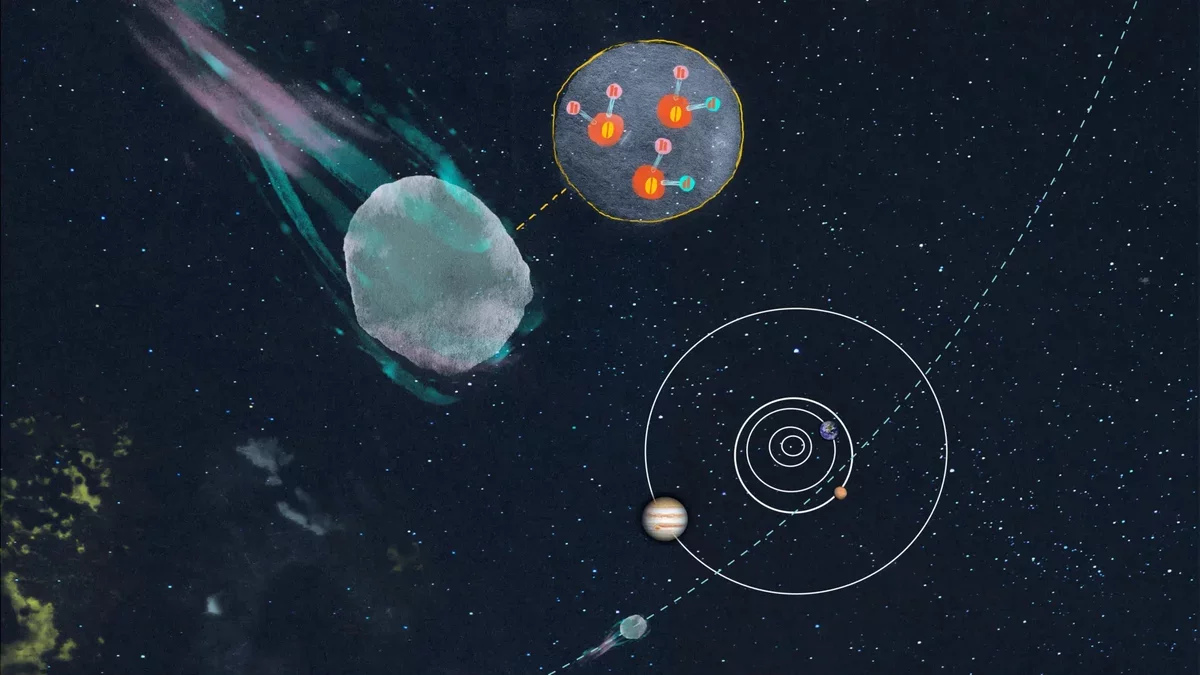
Researchers also note that erythrulose could have reached early Earth through comet and asteroid impacts, potentially contributing to the chemistry that later supported life. In water, it can transform into threose, a sugar of interest in studies of RNA-like molecules.
The next major goal is to search for larger sugars such as ribose, a key component of RNA. For now, the discovery of erythrulose shows that space chemistry may be more advanced than once imagined, opening fresh paths for understanding the origins of life. This finding could shape future research into how biology's building blocks begin in the universe.