In the ever-evolving landscape of artificial intelligence, a new concept has emerged, as introduced by Antonio Gracias, the founder of Valor Equity Partners. During the recent Upfront Summit in Los Angeles, he unveiled the term 'proentropic,' which characterizes startups engineered to thrive amid chaos and disruption.
This idea draws inspiration from physics, where entropy signifies the level of disorder within a system. According to the second law of thermodynamics, disorder naturally tends to increase over time, mirroring the unpredictable nature of life itself.
Gracias first contemplated this notion back in 2013, anticipating that a blend of deglobalization and technological advancements would radically alter global power dynamics. He noted that the world has been tilting towards chaos since the late 20th century, driven by growing human populations and rapid technological changes.
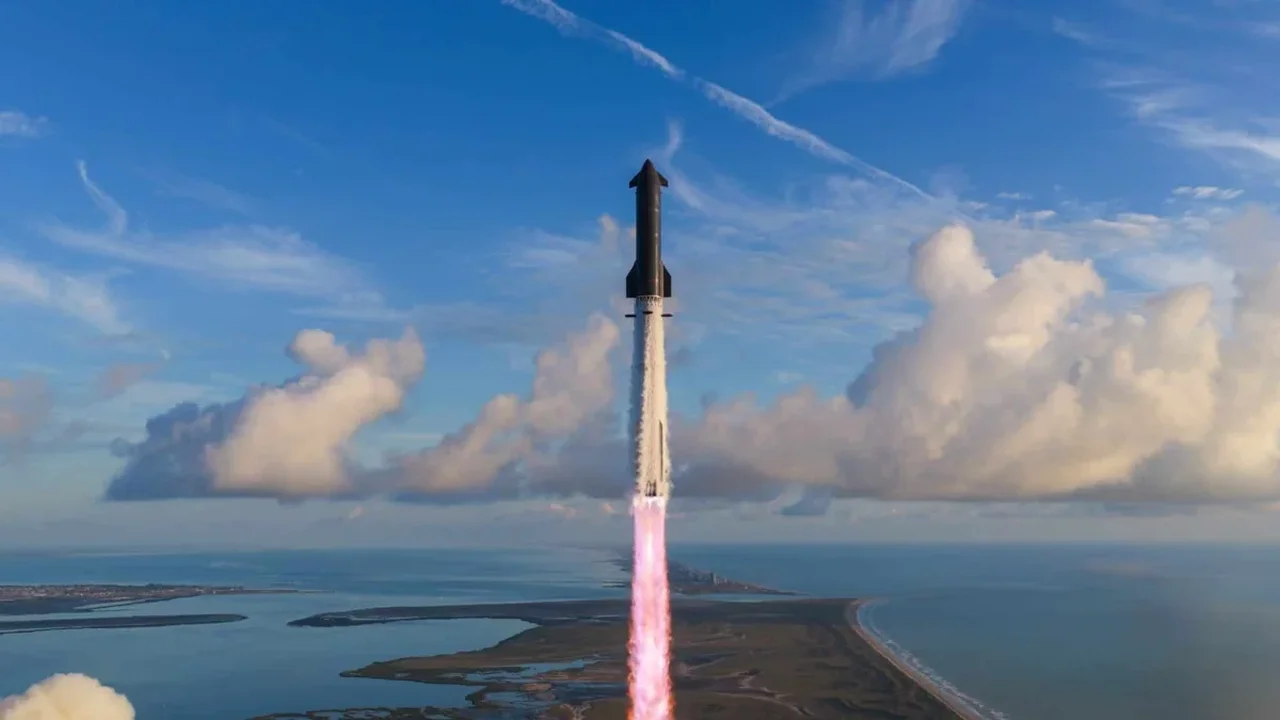
"We are focusing on businesses adept at forecasting future trends and determining their strategic direction," he stated, highlighting SpaceX as a prime example. Such companies are not merely reacting to current market conditions; they have integrated a probabilistic mindset into their operational strategies, preparing for shifts that can occur at any moment.
Gracias emphasized the importance of recognizing potential edge cases and leveraging them to one's advantage. He also discussed the necessity of moral courage in today's economic climate, asserting that a commitment to building a better world is essential.
He cited the intersection of climate, energy, and hardware innovations, using Tesla as a case study. "Innovative products can be developed with minimal computational resources if one knows how to effectively combine software and hardware," he explained.
Addressing the prevalent concerns surrounding artificial intelligence, Gracias rejected the narrative of impending job losses and social discord. He expressed his determination to counteract these fears over the next five to ten years, believing that the potential for opportunity is greater than ever before.
He anticipates that advancements in low-code and no-code tools will empower more individuals to launch their own ventures, unleashing unprecedented productivity. "The future is ours to shape--whether it becomes utopian or dystopian depends on our choices," he concluded.