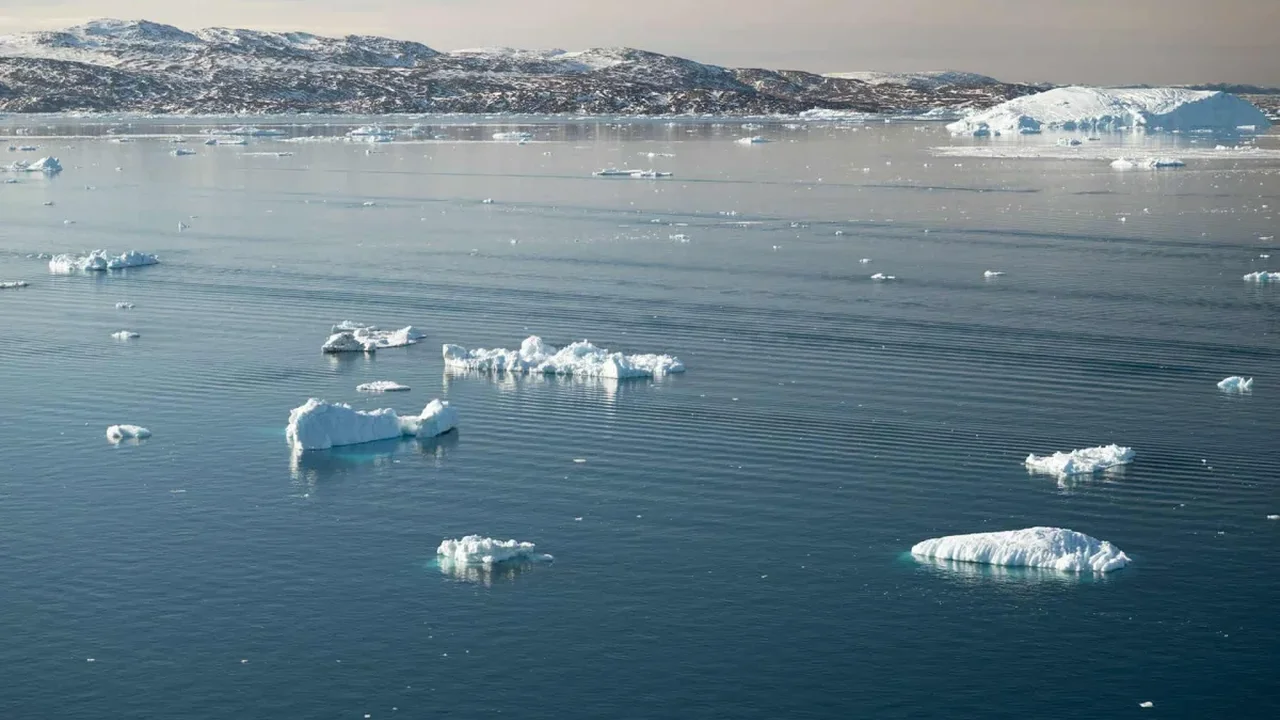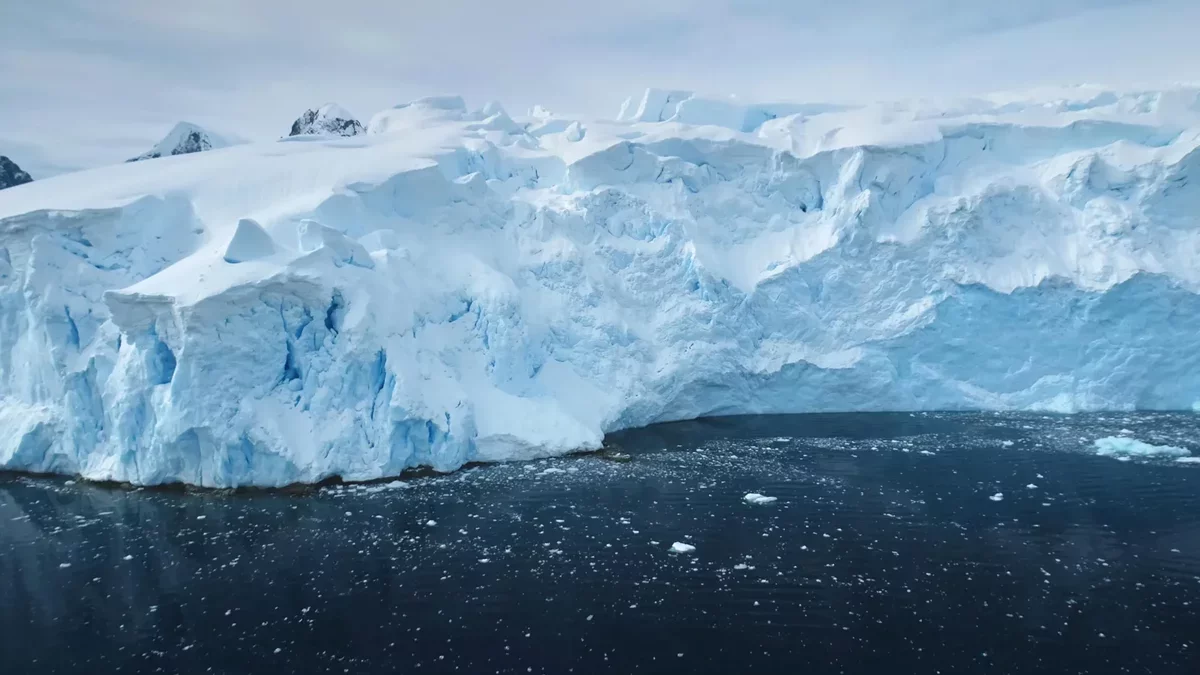
A recent study highlights the implications of melting Antarctic ice on carbon absorption in the Southern Ocean. Researchers discovered that iron-rich sediments, released by icebergs from West Antarctica, may not enhance algae growth as previously thought.
Iron is typically a vital nutrient for algae, promoting their proliferation and, in turn, enhancing the ocean's ability to absorb carbon dioxide. However, an analysis of sediment cores from the Southern Ocean revealed that higher iron concentrations did not correlate with increased algae growth.
Torben Struve, the study's lead author from the University of Oldenburg, noted, "An increased supply of iron in the Southern Ocean typically stimulates algae growth, which boosts carbon dioxide uptake." This finding challenges the established understanding of how iron influences marine ecosystems.
Understanding the Algae-Iron Relationship
The research team attributed the unexpected results to the chemical state of the iron in the sediment. Much of this iron was found to be highly weathered, which limits its availability for algae. During warmer periods, when more icebergs calved from West Antarctica, the iron entering the ocean was often in a form that algae could not easily utilize.
Consequently, the anticipated boost in biological growth from increased iron delivery did not occur.
The study indicates that as the West Antarctic Ice Sheet continues to diminish, the Southern Ocean's capacity to absorb carbon dioxide may decline, particularly in the context of ongoing climate change.
Iron's Role in Carbon Uptake
In Antarctic waters, the availability of iron often constrains algae growth. Historical data suggests that during glacial periods, iron-rich dust was transported from land into the ocean, effectively fertilizing algae and enhancing carbon absorption.
This study, however, shifts focus to the waters south of the Antarctic Polar Front, where evidence shows that iron input peaked during warmer intervals rather than during glacial phases. The primary source of iron was identified as icebergs, not dust, which alters the understanding of nutrient dynamics in these waters.
Gisela Winckler, co-author and geochemist at the Columbia Climate School, emphasized, "The ocean's ability to absorb carbon is not static," highlighting the need to reconsider how we view these processes.
Historical Ice Loss Insights
The findings also shed light on the West Antarctic Ice Sheet's responsiveness to temperature increases. Previous studies suggest significant ice retreat occurred during the last interglacial period, around 130,000 years ago, under similar global temperature conditions.
Struve remarked, "Our results indicate substantial ice loss in West Antarctica during that time," emphasizing the relationship between ice dynamics and sediment release into the ocean.
The Importance of Iron Form
"It's not just the quantity of iron entering the ocean that matters, but its chemical form," Winckler stated. "These findings reveal that iron from icebergs may be less bioavailable than previously believed, fundamentally changing our understanding of carbon uptake in the Southern Ocean."
Researchers propose that beneath the West Antarctic Ice Sheet lies ancient, heavily weathered rock. Each retreat of the ice sheet has led to increased iceberg activity, transporting these minerals into the South Pacific, yet algae growth has remained limited despite higher iron input.
Struve expressed surprise at the results, noting that the total iron input was not the determining factor for algae growth in this region of the Southern Ocean.
Implications for Climate Change
As global temperatures rise, further thinning of the West Antarctic Ice Sheet could recreate conditions reminiscent of the last interglacial period.
Struve concluded, "While the ice sheet is not expected to collapse imminently, we observe ongoing thinning." If this trend continues, it could accelerate the erosion of weathered rock layers, potentially diminishing carbon uptake in the Southern Ocean, thereby creating a feedback loop that exacerbates climate change.