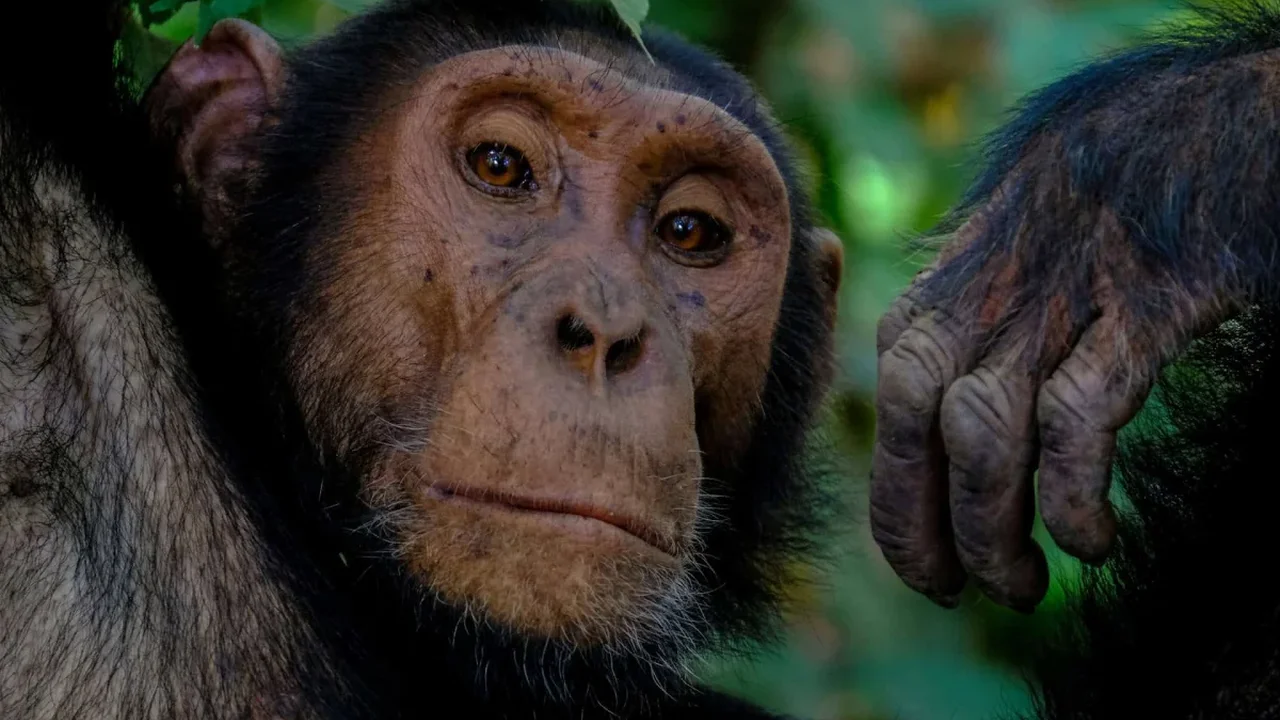
A viral sequence embedded in chimpanzee DNA appears to silence a gene active during human brain development, offering a new clue to how the two species' brains evolved along different paths. The finding does not show that the sequence determined brain size, but it points to one way ancient infections can influence gene activity over evolutionary time.
A viral remnant with a lasting effect
Retroviruses can insert their genetic material into host DNA. If an insertion reaches reproductive cells, it can be inherited by later generations. Scientists estimate that remnants of ancient viruses make up at least 8% of human and chimpanzee DNA.
The study focused on a PTERV1 sequence found in chimpanzees, bonobos and gorillas, but not humans. Researchers led by Patricia Gerdes at Lund University examined developing-brain organoids grown from human and chimpanzee stem cells. They found a roughly 7,000-letter viral insertion within the chimpanzee gene LINC00662. The gene was active in human organoids but silent in the chimpanzee models.
Editing the sequence restored gene activity
In chimpanzee cells, chemical marks had accumulated around the viral insertion. These marks can suppress DNA activity, and appeared to extend to LINC00662. When the team used CRISPR to remove the viral segment, the gene began producing RNA again, linking the insertion to its silencing in the cells studied.
LINC00662 produces a long RNA molecule that may interact with proteins involved in the structure of developing neurons. In human organoids, reducing the gene's activity was associated with lower levels of a structural protein connected to the growth of axons and dendrites--the extensions neurons use to communicate.
The experiments do not establish that the viral insertion changed intelligence or caused the difference in brain size between humans and chimpanzees. Organoids model only selected aspects of early development, and further research is needed to understand the gene's role in living brains. The findings were published in Science Advances.
By showing how inherited viral DNA can influence nearby genes, the research adds another avenue for exploring brain evolution and the ways ancient genetic changes may shape future discoveries about human development.