In the animal kingdom, color variations, known as color morphs, serve crucial roles beyond aesthetics. These differences often indicate distinct survival strategies, influencing how species compete for resources and attract mates. Each color morph contributes to a delicate balance within populations.
The Classic Case of Wall Lizards
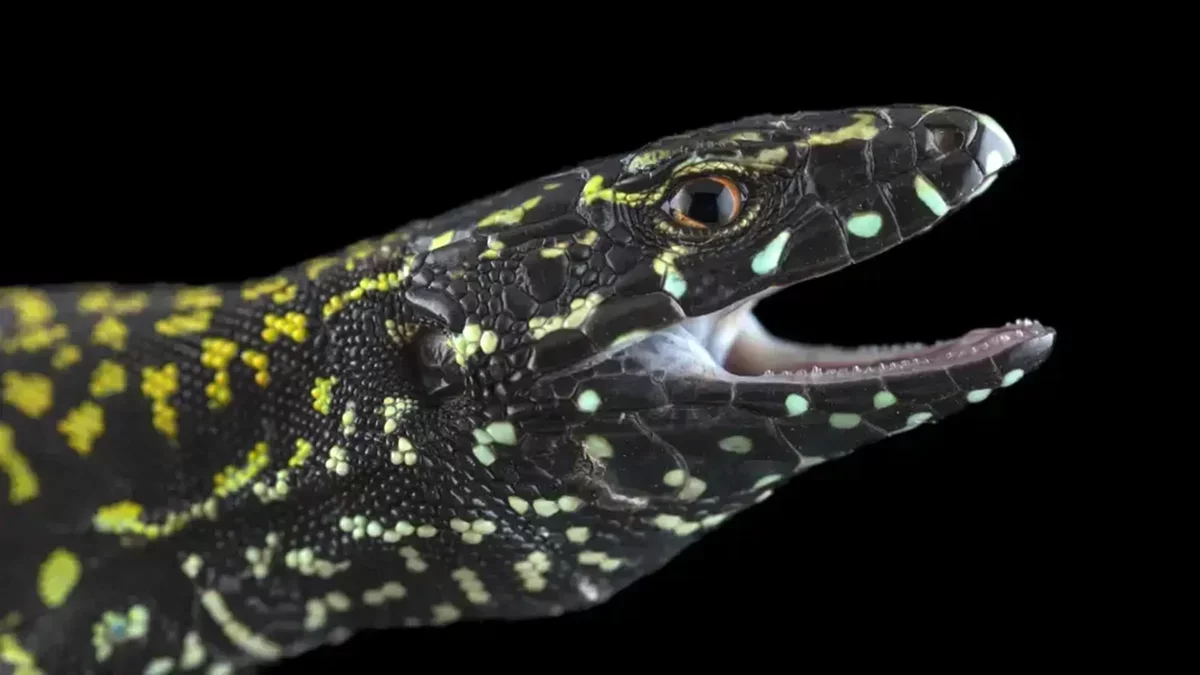
The common wall lizard (Podarcis muralis), prevalent throughout the Mediterranean, exemplifies this balance. Typically, these lizards exhibit one of three throat colors: white, yellow, or orange. For millions of years, these morphs coexisted harmoniously, sustaining a stable evolutionary environment.
However, recent findings indicate that this equilibrium is now in jeopardy. A groundbreaking study published in Science by researchers from Lund University reveals a significant disruption in this long-standing balance.
"We are witnessing the rapid decline of coexistence among various color morphs that have thrived for millions of years," explains Tobias Uller, a professor of evolutionary biology at Lund University.
Insights from Extensive Research
To investigate the current situation, the research team analyzed color patterns across approximately 240 populations, studying over 10,000 individual lizards. The results were striking: a group informally dubbed the "Hulk" lizards has fundamentally altered the dynamics of the species.
These larger, more aggressive lizards, characterized by their distinctive appearance, have expanded rapidly into new territories. As they proliferate, the yellow and orange throat variants are vanishing, leaving predominantly the white morph in many areas.
"The aggressive behavior of these lizards disrupts the finely tuned social structures that previously allowed multiple color strategies to coexist," Uller adds.
Rapid Evolutionary Changes
This research underscores the fragility of even well-established evolutionary systems. While evolution is typically perceived as a gradual process, this case illustrates that it can also occur swiftly when environmental conditions change.
A single dominant trait can reshape interspecies competition and disrupt the balance within a species in a remarkably short timeframe. "By demonstrating how long-coexisting color variants can be eradicated, we gain valuable insights into how new traits can transform competition in nature," concludes Uller.