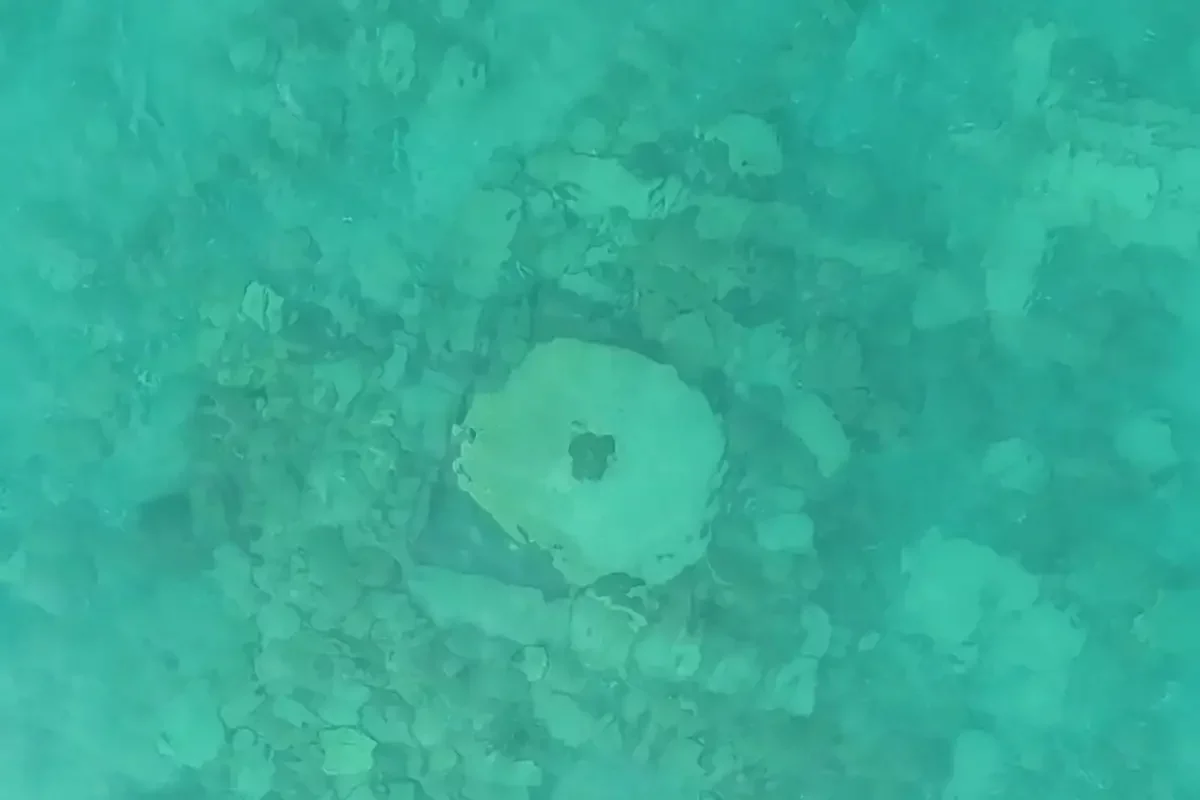
In a remarkable discovery, divers have uncovered a medieval city submerged at the bottom of Kyrgyzstan's Lake Issyk-Kul. This well-preserved urban site, known as the Toru-Aygyr complex, dates back to the 14th century and features brick structures, a grain millstone, large ceramic vessels, and a Muslim necropolis.
A Historical Crossroads
Lake Issyk-Kul, which translates to "Warm Lake," remains unfrozen even in harsh winter, making it a vital stop along the ancient Silk Road. This lake, one of the world's deepest and salty, is fed by over a hundred rivers, enhancing its importance as a trade nexus.
The Silk Road was not merely a single route but a vast network facilitating the exchange of silk, metals, spices, textiles, and cultural ideas. Kyrgyzstan's location on this northern route underscores its historical significance.
While archaeologists have previously documented remnants of settlements around the lake, this expedition has unveiled a remarkably intact city. The findings include large ceramic vessels, wooden artifacts, and a stone mill, indicating a thriving medieval economy. The artifacts suggest that the city was not just a transient stop but a bustling hub of trade and craftsmanship.
A Glimpse into the Past
The cemetery discovered at the site reveals deeper insights into the community that once thrived here. The Muslim necropolis, oriented towards Mecca, indicates established burial practices and cultural traditions, highlighting the community's permanence and complexity.
This necropolis, submerged beneath the lake, suggests a rapid and catastrophic event rather than a gradual decline. The evidence points to significant geological activity, possibly an earthquake, causing the land to collapse and the city to be engulfed by water.
The City's Sudden Submersion
The city's preservation is akin to that of Pompeii, buried by volcanic ash, yet in this case, it was water that sealed its fate. Researchers believe the settlement was abruptly submerged, leading to the preservation of its structures and artifacts. This phenomenon sheds light on the region's geological instability, where tectonic activity is common.
As divers continue to explore this underwater city, they are not only revealing its architectural and cultural richness but also reconnecting us with a significant chapter in human history. This discovery serves as a reminder of the interconnectedness of ancient civilizations and the lasting impact of trade routes on cultural exchange.
The implications of this find extend beyond archaeology; it opens new avenues for understanding the dynamics of historical trade and cultural interactions along the Silk Road, enriching our perspective on the past and its influence on our present and future.