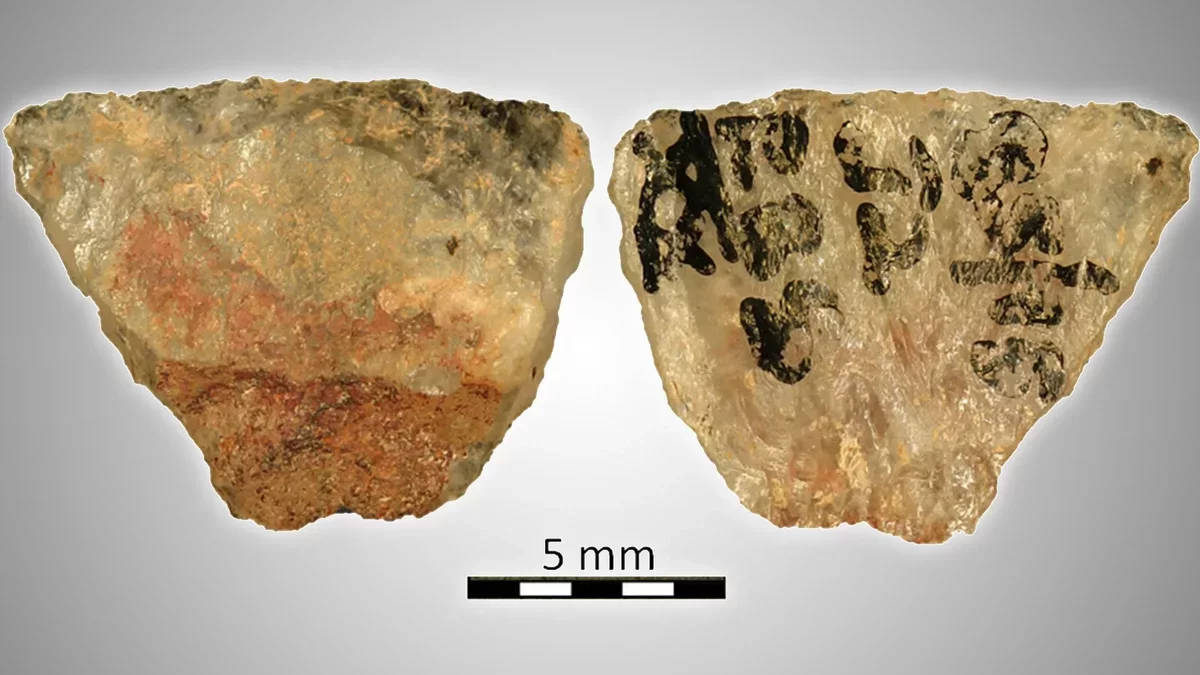
An international collaboration between South African and Swedish researchers has uncovered remarkable findings from 60,000-year-old quartz arrowheads discovered at the Umhlatuzana Rock Shelter in KwaZulu-Natal. Chemical analyses revealed traces of gifbol (Boophone disticha), a highly toxic plant still utilized by traditional hunters in the region today.
Professor Sven Isaksson from the Archaeological Research Laboratory at Stockholm University, who conducted the chemical evaluations, stated, "This achievement stems from a long-standing partnership between South African and Swedish researchers. Identifying the world's oldest arrow poison has been a complex yet rewarding endeavor, paving the way for further research."
Direct Evidence of Early Arrow Poisoning
Previously, scientists relied on indirect evidence to propose that early humans employed poisons in hunting. However, these newly analyzed arrowheads provide the first concrete chemical evidence.
"This discovery represents the earliest direct indication that humans utilized arrow poisons. It reveals that our ancestors in southern Africa not only developed the bow and arrow significantly earlier than previously believed but also grasped the chemistry of nature to enhance hunting effectiveness," remarked Professor Marlize Lombard from the Palaeo-Research Institute at the University of Johannesburg.
Through laboratory analysis, researchers identified two specific alkaloids, buphanidrine and epibuphanisine, both of which are found in the gifbol plant, recognized for its potent toxic properties.
Chemical Stability and Knowledge Transmission
The same chemical signatures were found on arrowheads dating back 250 years, preserved in Swedish museum collections. These artifacts were collected by travelers in the 18th century. The identical presence of this plant poison on both ancient and more contemporary arrows indicates that this knowledge has been transmitted through generations.
"The discovery of the same poison on both prehistoric and historical arrowheads was vital," explained Professor Isaksson. "By meticulously analyzing the chemical structure of these substances, we concluded that they are stable enough to endure for such an extended period underground. It's intriguing to see how deeply rooted the understanding of plant usage was among these people."
Advanced Planning and Early Human Intelligence
This finding also illuminates the cognitive capabilities of early humans. The process of applying poison to arrows is intricate; it necessitates preparation, timing, and an awareness of how toxins impact animals post-injury.
The evidence from Umhlatuzana Rock Shelter suggests that these hunters merged technical proficiency with foresight. Their ability to predict outcomes and strategically use toxic compounds reflects cognitive abilities akin to those of modern humans.
"Employing arrow poison requires meticulous planning, patience, and a clear understanding of cause and effect. This is a definitive indicator of advanced cognitive function in early humans," stated Professor Anders Högberg from the Department of Cultural Sciences at Linnaeus University.