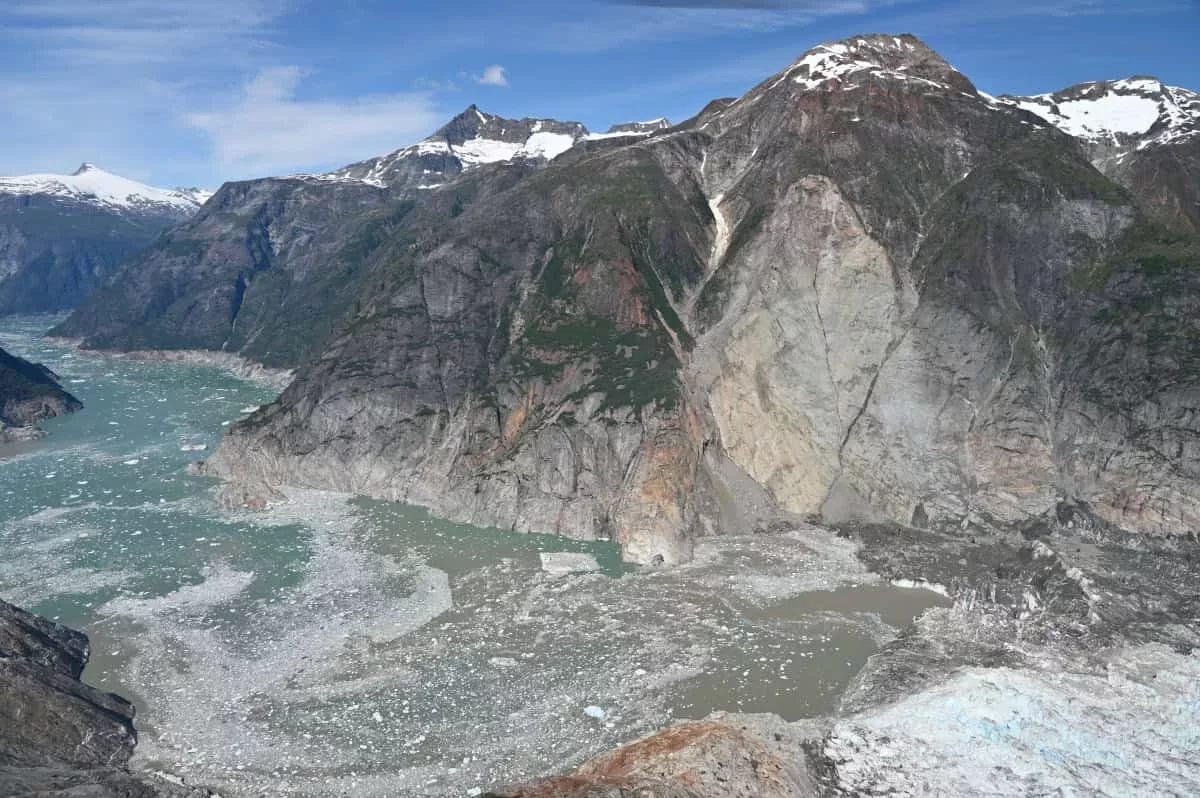
On August 10, 2025, a significant geological event unfolded in **Tracy Arm Fjord** in southeastern Alaska, where a mountainside gave way into the fjord's waters. This landslide generated a **tsunami** that soared to an astonishing height of 481 meters, surpassing all but the world's 14 tallest buildings, and was detected by seismic instruments worldwide. In the days that followed, the fjord's waters exhibited a standing wave phenomenon known as a seiche.
This remarkable tsunami is recorded as the second-largest in history, and notably, it is the largest not triggered by an earthquake. Recent research published in the journal Science indicates that the landslide was primarily a consequence of the rapid retreat of the **South Sawyer Glacier**, a phenomenon linked to global climate change.
Fortunately, there were no casualties from this event, although cruise ships were scheduled to navigate the fjord shortly thereafter, highlighting the potential for disaster had the timing been different. Daniel Shugar, a geomorphologist from the **University of Calgary**, emphasized the glacier's role in stabilizing the slopes, akin to structural buttresses of a cathedral. As the glacier receded over the decades, it compromised these slopes, leading to the eventual collapse.
Shugar explained that while the glacier's retreat was the primary factor, other elements, such as rainfall, could have contributed to the instability of the fjord's walls. The phenomenon of "debuttressing," where the loss of glacial support exposes slopes to collapse, has been observed in other regions as well, raising concerns about future geological hazards.
Leigh Stearns, a glaciologist from the **University of Pennsylvania**, noted that climate change exacerbates the sensitivity of steep slopes, making them prone to sudden failures. The implications of this event extend beyond immediate geological concerns; it serves as a reminder of the cascading hazards posed by climate change.
While the risk of a tsunami affecting cruise ships is generally low, the incident at Tracy Arm underscores the importance of understanding and mitigating the risks associated with climate change and geological instability. Experts believe that increased research into these phenomena will enhance our preparedness for future events.
As we look to the future, the lessons learned from the Tracy Arm tsunami may guide us in addressing the broader implications of climate change on geological stability, ultimately shaping our approach to environmental stewardship and disaster preparedness.