Imagine embarking on a long journey to acquire the perfect dog. For the ancient Maya, this meant transporting small dogs across challenging terrains, spanning hundreds of miles. Long before the establishment of modern kennel clubs, Mesoamerican communities engaged in breeding, raising, and trading unique dog breeds.
A recent study has unveiled a new facet of the expansive Maya economy, previously known for its jade, obsidian, and pottery. Researchers, through the analysis of chemical signatures found in ancient dog teeth, have determined that highland Maya societies in southern Mexico imported dogs from lowland regions up to 400 miles away. This discovery highlights the significant role of live animals in the Maya trade network between A.D. 400 and 800.
According to Elizabeth Paris, an archaeologist from the University of Calgary, "Dogs are the oldest domesticated animal worldwide." She emphasizes that the Maya invested considerable time and effort into acquiring and breeding special dog breeds.
The Chemical Passports of Ancient Pets
Animals absorb specific chemical elements from their environment through their diet. These elements, particularly strontium isotopes, vary based on local geology, allowing researchers to trace the origins of animals by examining their bones and teeth. Chris Stantis, an assistant professor of anthropology at Southern Illinois University Carbondale, notes that tooth enamel retains these elements, providing a lasting record of an animal's location.
Investigating two hilltop sites in Chiapas, Mexico, the research team compiled a comprehensive reference database using 45 plant samples to establish a local chemical baseline. Their findings revealed that while deer bones found in refuse heaps were local, the dogs were imported from distant lowland Maya kingdoms.
The Diet of a Maya Dog
Transporting live animals over such vast distances necessitated meticulous planning, including provisions for food and water. Researchers found that these dogs were fed a specialized, high-protein diet, rich in maize, indicating they were well-cared for and valued by their owners.
Ashley Sharpe, an archaeologist at the Smithsonian Tropical Research Institute, observed that many ancient Maya dogs were small, akin to modern corgis, suggesting they were cherished companions.
Companions, Rituals, and Dinner Plates
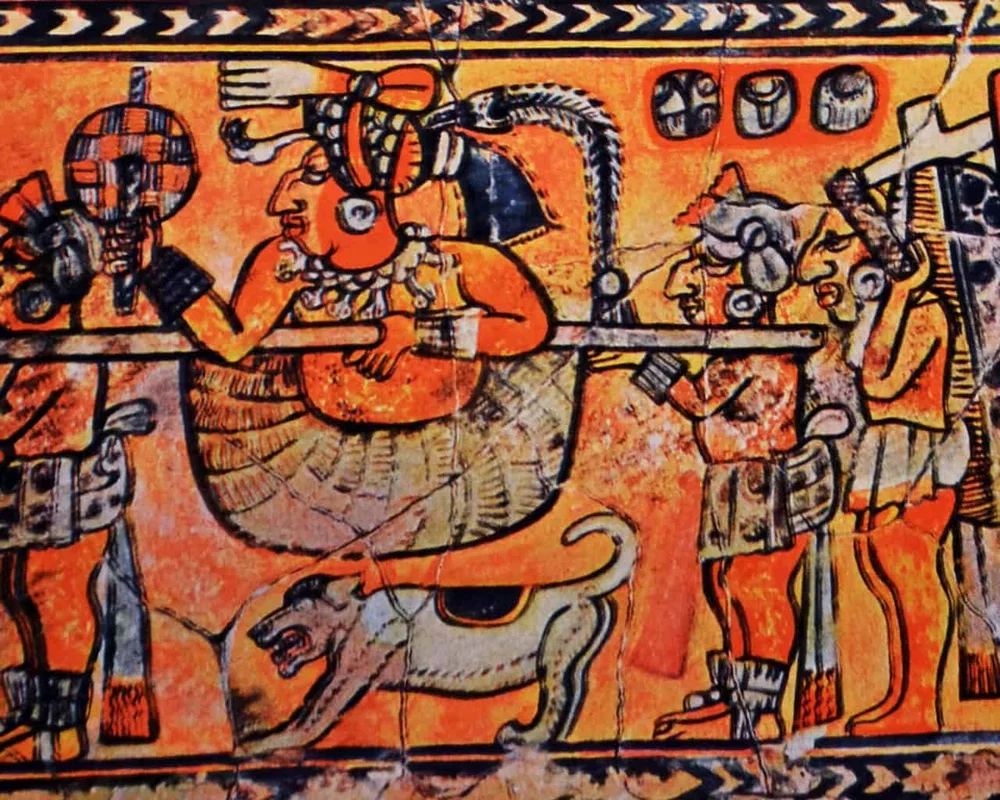
The Maya's relationship with dogs was multifaceted. They served as companions, status symbols, and even sacrificial offerings. Archaeological evidence indicates that some dogs were raised for consumption, similar to small livestock, while others were involved in religious rituals.
This study redefines our understanding of the ancient Maya economy, illustrating that trade routes were not solely for inanimate goods but also facilitated the movement of living creatures. The findings, published in the Journal of Archaeological Science, reveal the complex and nuanced relationship the Maya had with their dogs, which served various roles in society.
As we reflect on these insights, it becomes clear that the ancient Maya's intricate trading practices and their bond with dogs might inspire modern perspectives on animal companionship and the interconnectedness of cultures.