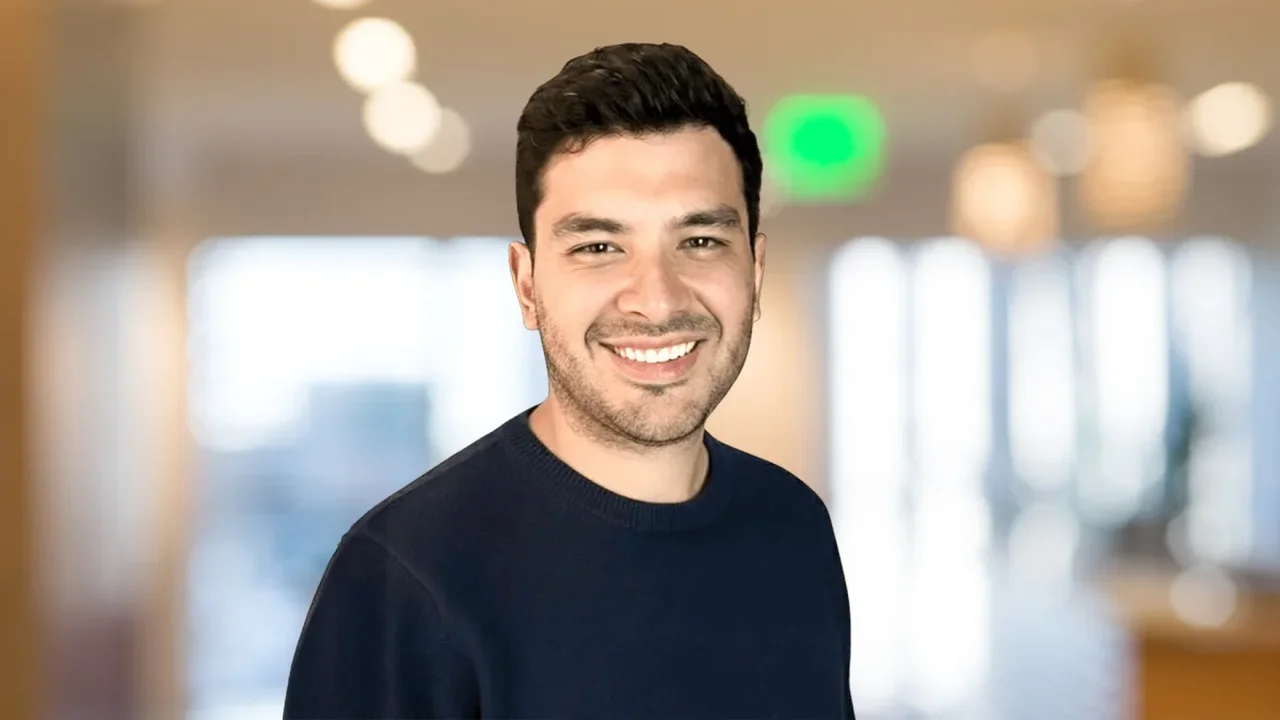
Andreessen Horowitz is expanding its global lens as artificial intelligence reshapes where startups can be built and scaled. Partner Gabriel Vasquez says a significant share of the firm's Apps Fund investments already come from international founders, reflecting a broader shift in the startup landscape.
Alongside general partner Angela Strange, Vasquez is helping lead a16z's Borderless Founder network, which supports immigrant and international entrepreneurs. Their view is clear: strong companies can emerge anywhere, and today many founders outside the U.S. may even hold a strategic edge.
The reason is increasingly tied to AI. As enterprise buyers around the world adopt AI tools more quickly, startups no longer need to relocate immediately to Silicon Valley to win major customers. In many markets, companies are now ready to pay for advanced software and AI agents that can improve service, productivity, and operations.
Vasquez notes that this shift is changing how venture firms operate too. Instead of waiting for founders to move to the U.S., a16z is investing time and travel into international deal flow, looking for talent clusters across Europe, Latin America, and beyond.
The model of a single fixed headquarters is also becoming more flexible. Founders can now build between their home market and the U.S., serving local customers while staying connected to the global tech ecosystem. Examples such as ElevenLabs show how international teams can attract customers, talent, and strategic interest without fully relocating.
For venture capital, the message is increasingly global: AI is not only accelerating product development, but also widening the geography of innovation. That could make the next wave of breakthrough companies more distributed, more diverse, and more connected than ever before.
In the years ahead, this borderless model may help shape a more balanced and globally competitive startup economy.