A groundbreaking study published in the journal Nature has unveiled new insights into how obesity affects nerve structures in both humans and mice. Researchers discovered that obesity extends its influence beyond weight gain, impacting immune responses and nerve integrity, which can lead to serious health issues like type 2 diabetes and cardiovascular diseases.
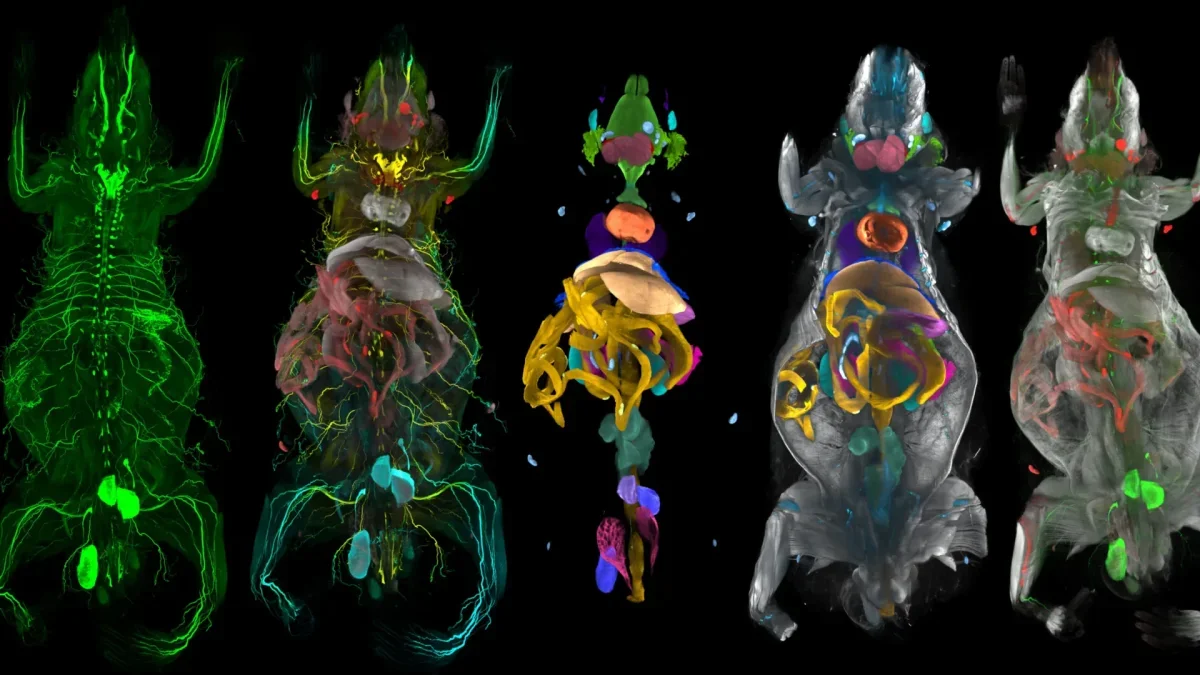
To tackle the complexities of obesity-related nerve damage, a team led by Prof. Ali Ertürk from Helmholtz Munich developed an innovative AI tool known as MouseMapper. This advanced framework employs deep learning algorithms to analyze extensive whole-body imaging data, enabling researchers to observe disease effects across multiple organ systems simultaneously.
MouseMapper can autonomously identify and segment 31 different organs and tissue types while mapping the intricate networks of nerves and immune cells. This capability allows for a comprehensive examination of how diseases impact various systems within intact organisms.
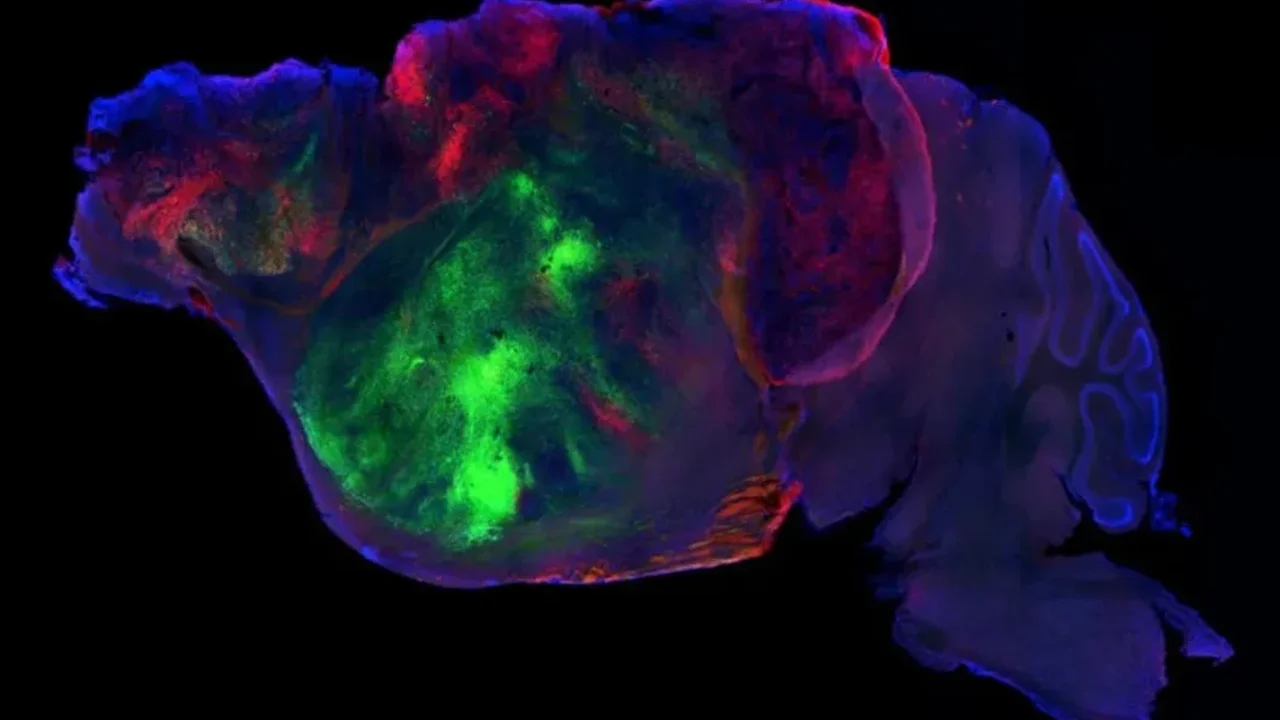
In their research, scientists utilized fluorescent markers to visualize nerves and immune cells in mice, subsequently employing tissue-clearing techniques to render the mice transparent. This approach facilitated detailed imaging without the need for invasive procedures. Advanced light-sheet microscopy then provided three-dimensional images that generated vast datasets, revealing millions of cellular structures.
Through MouseMapper's analysis, significant changes in immune cell organization and nerve structures were identified, particularly concerning the trigeminal nerve, a crucial facial nerve responsible for sensation and motor functions. Obese mice exhibited a marked reduction in nerve branches and endings, indicating compromised nerve function, which was corroborated by behavioral tests showing diminished sensory responses.
The research team also focused on the trigeminal ganglion, home to facial sensory neuron cell bodies. They identified molecular alterations associated with inflammation and nerve remodeling, with many of these changes mirrored in human trigeminal tissue from individuals with obesity. Dr. Doris Kaltenecker, a senior scientist at Helmholtz Munich, emphasized the significance of these findings, stating that such insights could not be achieved through isolated organ studies.
MouseMapper is poised to become a vital resource for investigating complex diseases that affect multiple organ systems, including diabetes and neurodegenerative disorders. By providing a holistic view of disease dynamics, this tool promises to enhance our understanding of health and disease interactions.
Moreover, the research team has made their comprehensive datasets publicly accessible, encouraging global collaboration in exploring the implications of obesity on various organ systems. Prof. Ertürk envisions a future where digital twins of organisms can be created, allowing for real-time simulations of disease progression and intervention strategies, ultimately accelerating the development of new treatments.