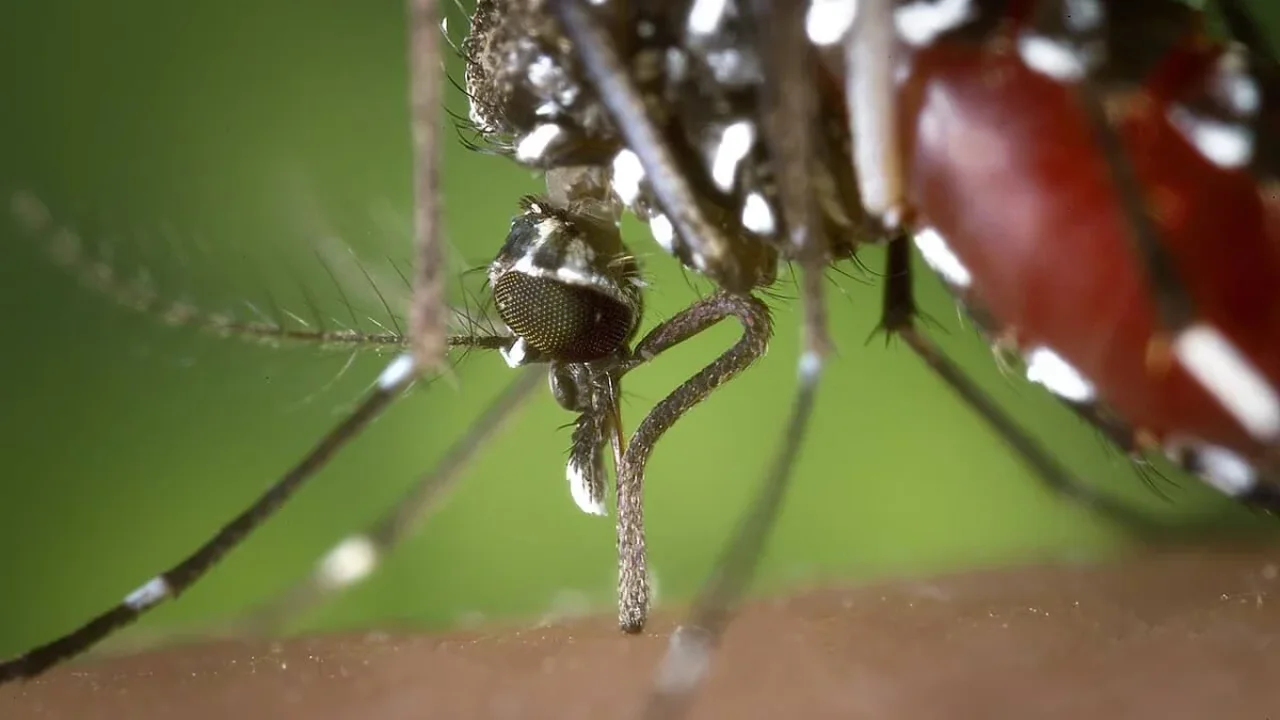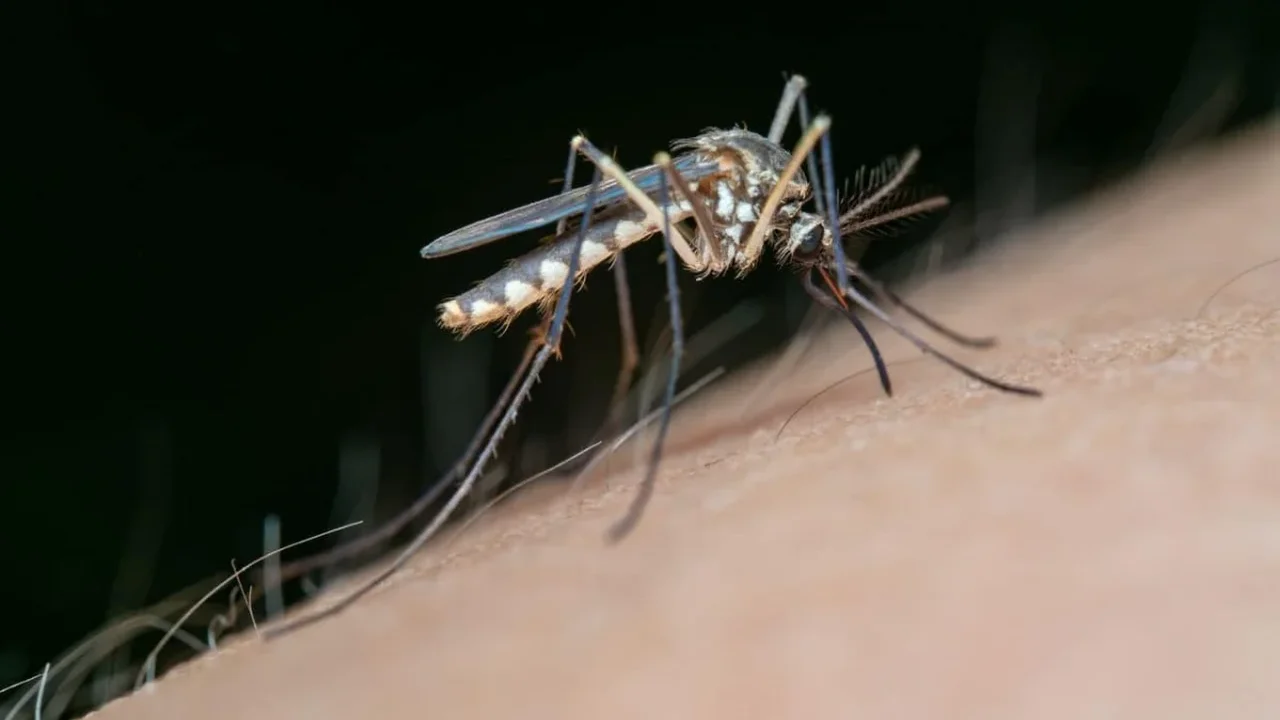
Researchers in Australia have reported a striking preclinical result: an experimental malaria drug may transform mosquito bites into a kind of immune training event. In mouse studies, the approach allowed parasites to enter the liver but blocked them before they could trigger a full blood-stage infection.
How the Strategy Works
The study, led by scientists at WEHI in Melbourne, focused on a narrow but crucial window in the parasite's life cycle. Malaria begins when infected mosquitoes pass sporozoites into the body. These parasites travel to the liver, multiply there, and later move into the bloodstream, where disease symptoms begin.
By using compounds called WM382 and MK-7602, the team stopped the parasite at the late liver stage. That timing appears to matter: the immune system gets to "see" a broad set of parasite antigens, while the infection still fails to progress into the dangerous blood phase.
According to the researchers, this created a long-lasting protective effect in mice, with immunity persisting for up to 21 months. The response included antibodies, CD8+ T cells, and liver-resident memory T cells, all of which help the body recognize and respond faster to future exposure.
A New Angle on Malaria Protection
Current malaria vaccines have made progress, but they still require multiple doses and offer only partial protection. This new method aims to broaden immune education by exposing the body to more parasite proteins than a standard vaccine might present.
The concept is especially relevant in regions where repeated mosquito exposure is common. Researchers envision a future long-acting injectable version that could remain active in the body and convert later bites into natural booster events without allowing the parasite to establish disease.
The work is still at the preclinical stage, so human studies will be needed to test safety, durability, and practicality. Even so, the findings point to a creative new direction in malaria prevention, where treatment and vaccination may begin to overlap in a single platform. If developed further, this approach could reshape how immune protection is built against one of the world's most persistent infections.