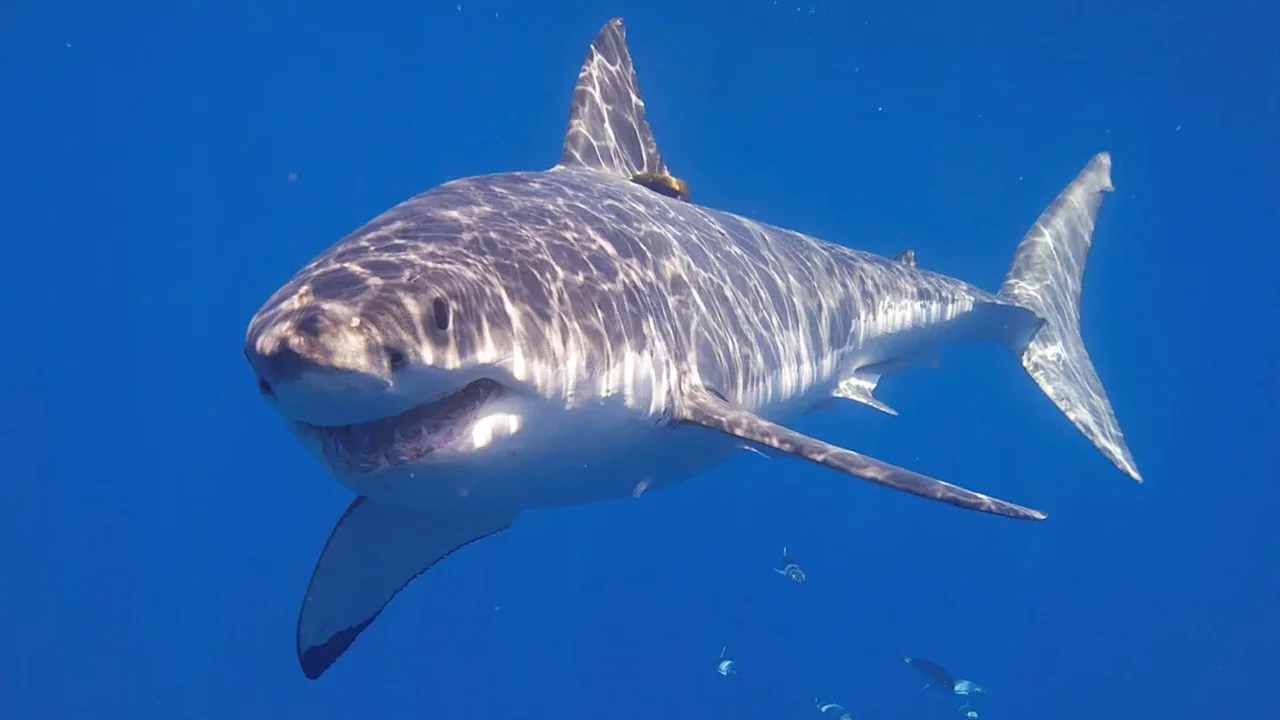
As Jaws marks its 50th anniversary, marine scientists are revisiting one of the ocean's most persistent myths: that sharks are constant threats to people. According to shark expert Gregory Skomal, that fear was already taking shape long before Hollywood amplified it.
Skomal, a senior fisheries scientist with the Massachusetts Division of Marine Fisheries, says early newspaper coverage and ocean documentaries helped build the shark-as-villain image. The film, he argues, did not invent the fear; it gave it a powerful new stage.
That perspective arrives as the International Shark Attack File recorded 47 unprovoked bites worldwide in 2024, the lowest number in nearly three decades. Even with billions of beach visits each year, the statistical risk of a shark bite remains extremely small.
Why bites happen
Researchers say many incidents occur when sharks and swimmers share the same shallow space. Coastal species such as blacktips and spinners often move in when baitfish come close to shore, especially in murky water. In those moments, a leg or board can be mistaken for prey.
Skomal distinguishes between unprovoked encounters, where people are simply in the water, and provoked bites, which involve direct interaction such as handling, hooking, or grabbing a shark. Some situations sit in a gray area, especially when a shark gives warning behavior and people remain nearby.
Better preparation, better outcomes
Places such as Cape Cod have responded with stronger public education, clearer beach signage, and emergency tools like bleeding-control kits near lifeguard stations. Similar measures are appearing in parts of Florida, California, and Australia, helping turn rare incidents into treatable emergencies.
For ocean visitors, the advice is simple: avoid swimming at dawn or dusk, stay out of murky water, do not go in alone, and keep away from areas with active fishing. These habits reduce an already tiny risk even further.
Sharks remain vital to marine ecosystems, and their role in keeping ocean food webs balanced is increasingly recognized by scientists. The future of beach safety may depend as much on education and preparedness as on fear itself.