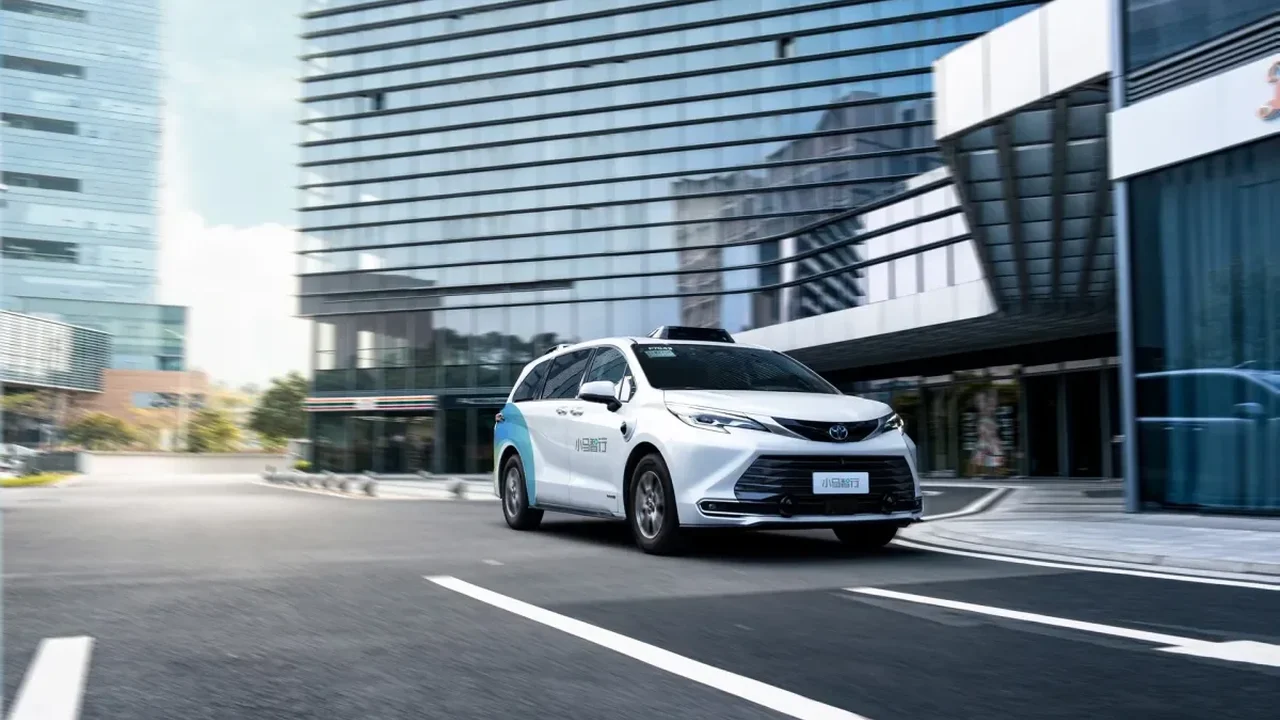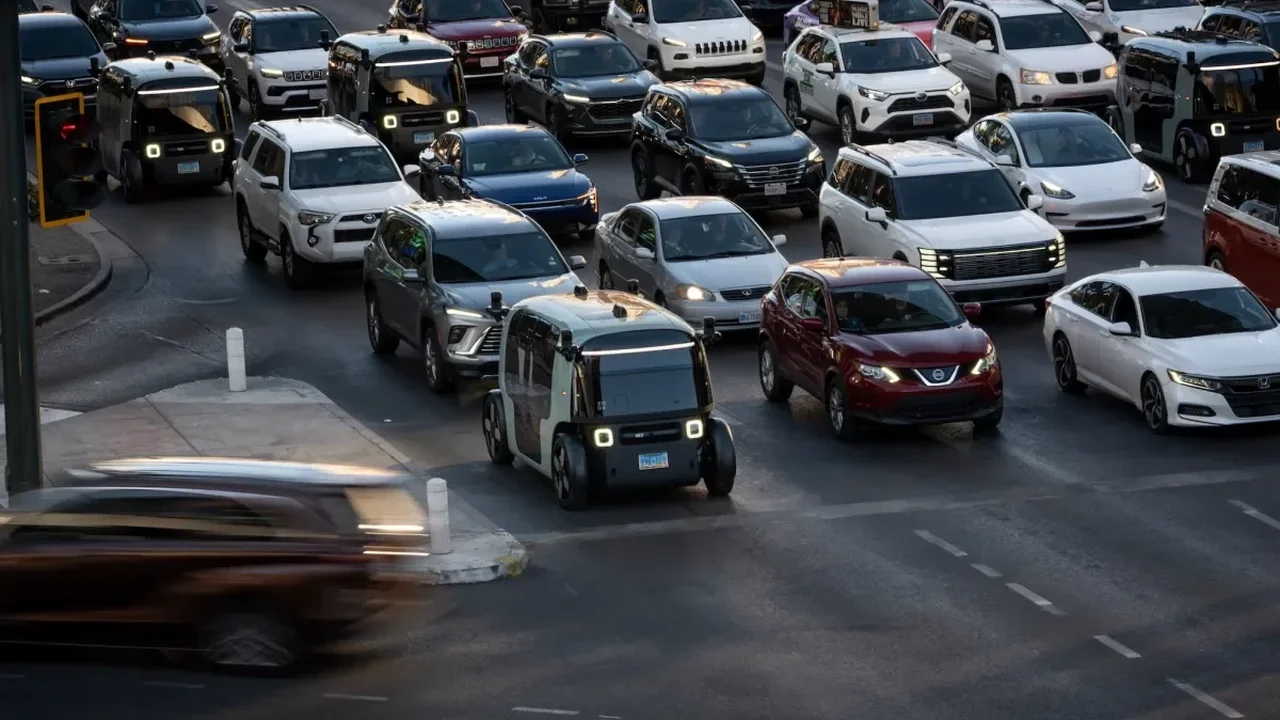
Autonomous mobility is moving from testing to scaling. Amazon-owned Zoox is set to begin charging for robotaxi rides on August 10, after receiving a two-year exemption from the National Highway Traffic Safety Administration that allows it to operate up to 2,500 commercial vehicles.
The approval is especially significant because Zoox's purpose-built robotaxis do not include traditional controls such as a steering wheel or pedals. With this step, the company moves beyond demonstrations and into a real commercial model in cities including Las Vegas and San Francisco, while also expanding early rider programs in Miami and Austin.
The decision may also create a broader path for next-generation autonomous vehicles designed around sensors and software rather than legacy driving hardware. That includes companies building compact robotaxis and other driverless platforms optimized for fully automated operation.
At the same time, Uber is deepening its role in the autonomous vehicle ecosystem. CEO Dara Khosrowshahi said the company plans to invest $10 billion over the coming years to help deploy 120,000 driverless vehicles, underscoring how central AV partnerships have become to its long-term strategy.
One of the most active players in this space is Moove, which has evolved from a vehicle-financing startup into a major fleet operator across 13 countries. Now based in Dubai, the company raised $250 million in a Series C round led by Mubadala Investment Company, with Woven Capital and Ion Pacific as co-leads. The funding will support expansion of its autonomous fleet management business and new hiring.
Moove also plans to buy Waymo robotaxis, adding another layer to its growing AV infrastructure ambitions. Together, these moves show how the industry is shifting toward the companies that can finance, manage, and scale autonomous fleets efficiently.
As regulation, capital, and engineering continue to align, autonomous mobility is likely to become a more visible part of everyday transportation in the years ahead.