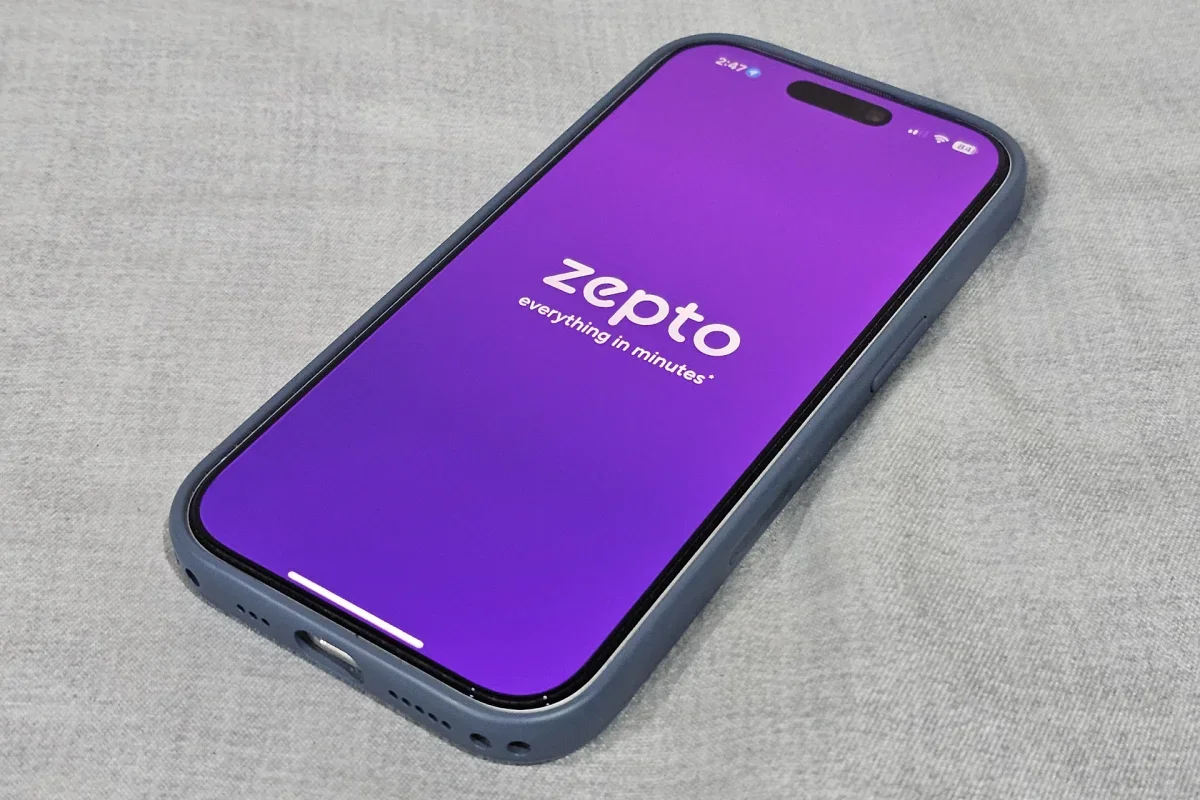
Indian quick-commerce startup Zepto has announced its intention to launch an initial public offering (IPO), potentially valued at around $1 billion, marking a significant milestone for one of Y Combinator's most notable investments outside the U.S.
The recent filing provides an insightful glimpse into how this dynamic startup aims to maintain its remarkable growth trajectory post-listing. Zepto reported a staggering 151% increase in advertising revenue year-over-year, reaching ₹16.4 billion (approximately $171 million) in fiscal 2026. This surge outstripped the company's 104% growth in operational revenue, which hit ₹115.5 billion (around $2.4 billion).
While grocery delivery remains Zepto's primary focus, the rapid expansion of its advertising sector signals a strategic pivot towards a more diversified revenue model. This approach echoes the successful strategies employed by giants like Amazon, which transformed its marketplace into a lucrative advertising platform.
Founded in 2021 by Stanford alumni Aadit Palicha and Kaivalya Vohra, Zepto has rapidly ascended to become one of India's leading startups, competing against established players like Zomato's Blinkit and Swiggy's Instamart. The competitive landscape has intensified, with major players like Amazon and Flipkart increasing their presence in the quick-commerce arena.
Despite fierce competition, Zepto has successfully expanded its customer base and order volume. In fiscal 2026, the startup processed over 640 million orders, nearly double the previous year, while its annual transacting user count approached 48 million. The network has grown to include 1,139 stores, with orders per location also on the rise, indicating a strong demand alongside its expansion.
However, this rapid growth comes at a financial cost. Zepto reported a net loss of ₹59.1 billion (around $617.36 million) for fiscal 2026, up from ₹47.0 billion (approximately $492.45 million) the previous year. The company has acknowledged that it may continue to face challenges in achieving profitability, a common concern among venture-backed firms eyeing public market investments.
Zepto plans to raise up to ₹80.1 billion (around $837.41 million) through new share issues, along with an offer-for-sale of up to 113.5 million shares by existing investors, including Nexus Venture Partners and Razor Ventures. The final offering size will depend on the pricing established during the IPO process. Additionally, the startup may secure up to ₹16.02 billion (about $167 million) from pre-IPO placements.
This upcoming listing is anticipated to be a significant event for Zepto's early investors. The startup was previously valued at $7 billion during its latest funding round in October. Notably, several key shareholders have chosen not to participate in the IPO's offer-for-sale, opting to retain their stakes as the company approaches its market debut.
As Zepto prepares for this pivotal moment, the potential uncertainties surrounding its public valuation remain a focal point. The founders recently addressed inquiries from India's anti-money laundering agency regarding foreign investments, which underscores the regulatory landscape in which the company operates.
In conclusion, as Zepto transitions towards public markets, its journey reflects the evolving landscape of quick commerce in India. This IPO could redefine the startup's future trajectory, influencing both its operational strategy and the broader quick-commerce industry.