Reflecting on my educational choices, I often wish I had opted for Spanish instead of French in high school. Despite my admiration for the French language and my success as a student, I now find myself regretting my limited Spanish skills as an adult.
Determined to change this, I turned to a popular language-learning app, Duolingo. With its engaging interface and a well-known mascot, it seemed like a great option. I achieved a remarkable 300-day streak, but when it came time to converse in Spanish, I struggled significantly. I realized that while Duolingo provided a fun experience, it primarily focused on gamification rather than genuine language comprehension.
Duolingo vs. Babbel: A Learning Perspective
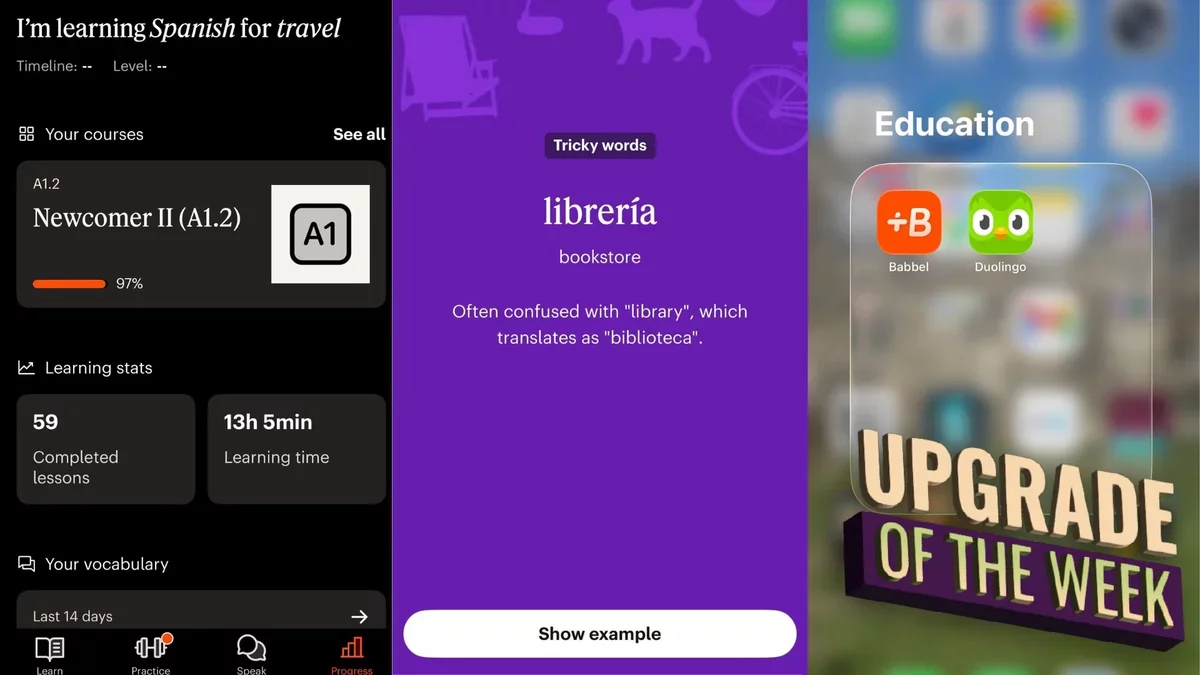
As I prepared for a trip to Mexico City, I decided to try Babbel. My goal was not fluency but rather to avoid feeling lost as a monolingual traveler. After using Babbel, I can confidently say that the basic phrases I managed to communicate were a result of Babbel's structured grammar lessons and the kindness of local speakers.
In just a few months, Babbel's daily lessons equipped me with essential skills for everyday interactions, like asking prices and ordering food. Unlike Duolingo, which often offered nonsensical sentences, Babbel focused on practical phrases that I could use in real-life situations.
Babbel's approach is more systematic, integrating grammar explanations within lessons rather than isolating them. The content feels grounded in reality, making the learning process feel more like a traditional class rather than a game.
Comparing the Two Apps
Here's a concise comparison of the two platforms:
Duolingo:
- Free version available (with ads)
- Encourages daily habit formation
- Good vocabulary exposure
- Rewards and streaks for motivation
- Limited grammar depth
- Focuses on perceived progress
Babbel:
- Subscription model (approximately $15/month)
- Structured, grammar-focused lessons
- Real-world conversational practice
- Incorporates cultural context
- Prioritizes skill-building over playfulness
Choosing the Right Language Learning App
Before diving into any language app, it's crucial to clarify your goals. Whether you're preparing for a trip or aiming for fluency, understanding your objectives is key. For casual learners, Duolingo is a solid choice. However, if your aim is to engage in meaningful conversations, Babbel emerges as the more reliable option.
While no app can guarantee fluency, Babbel's structured approach is ideal for those committed to genuinely learning a language. It may lack the playful elements of Duolingo, but this focus on real-world application is precisely what many learners need.
Ultimately, whether you choose Duolingo or Babbel, the journey of language learning can be rewarding, provided you remain focused on your personal goals.