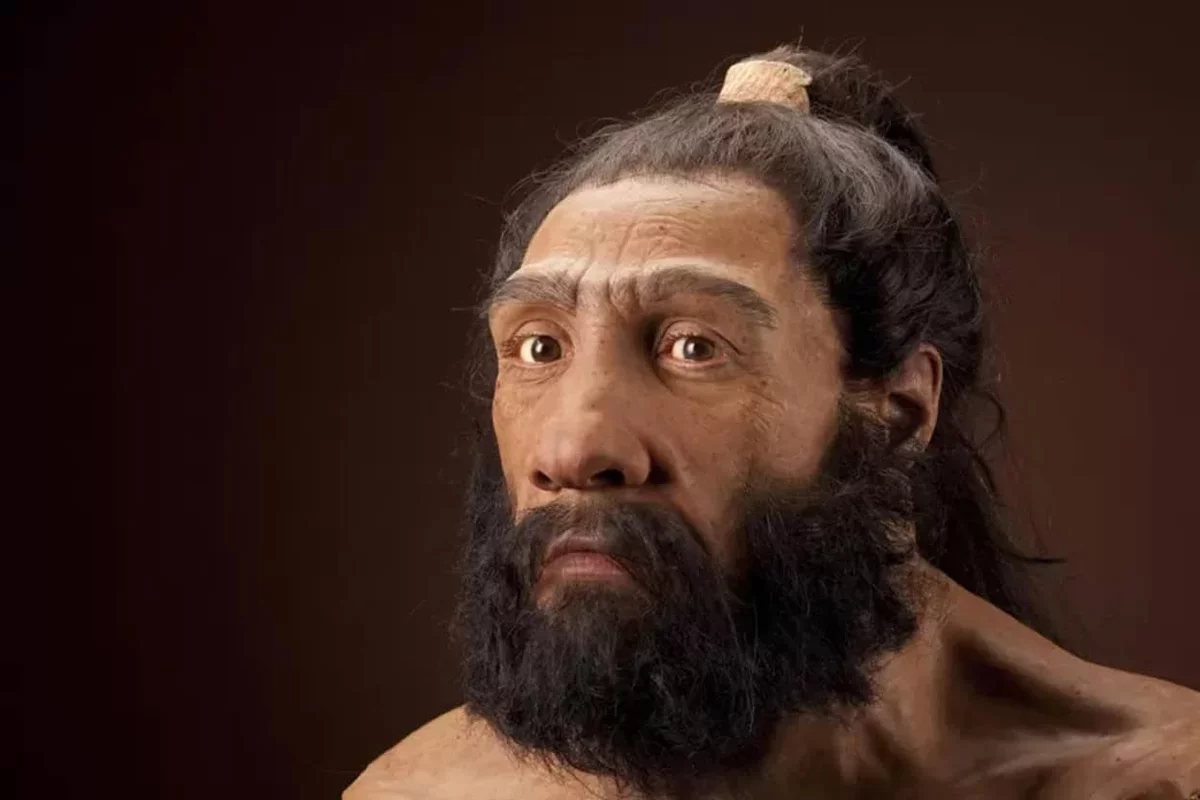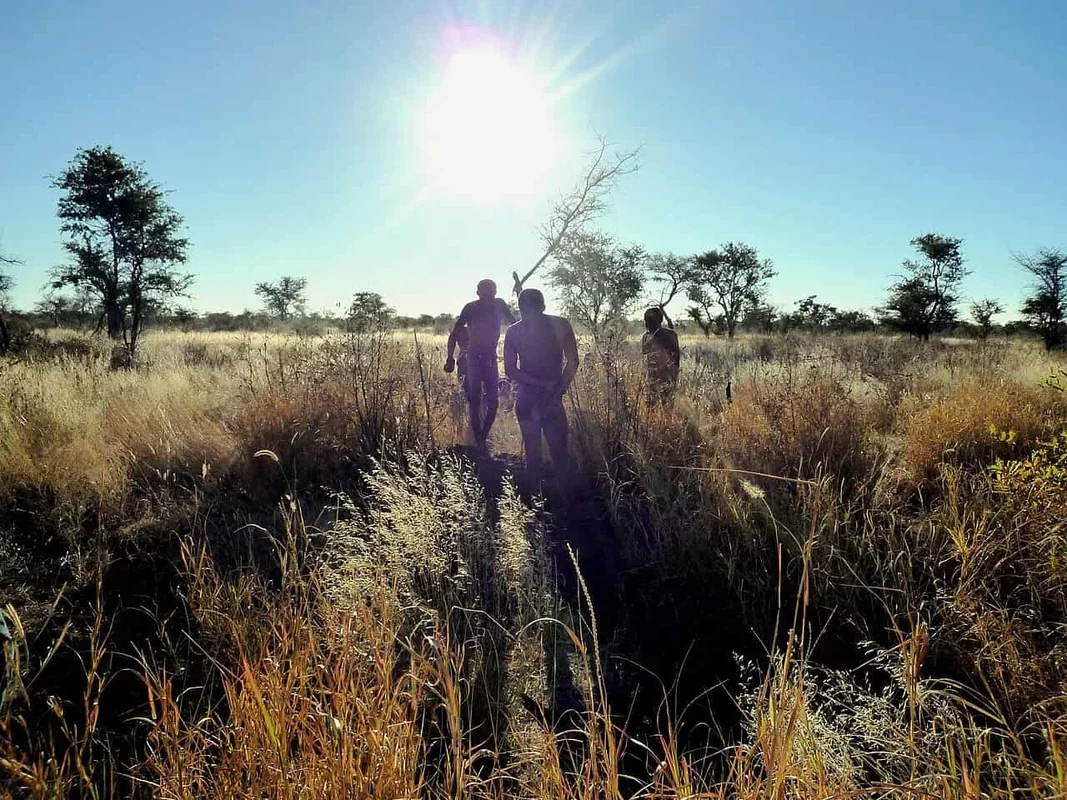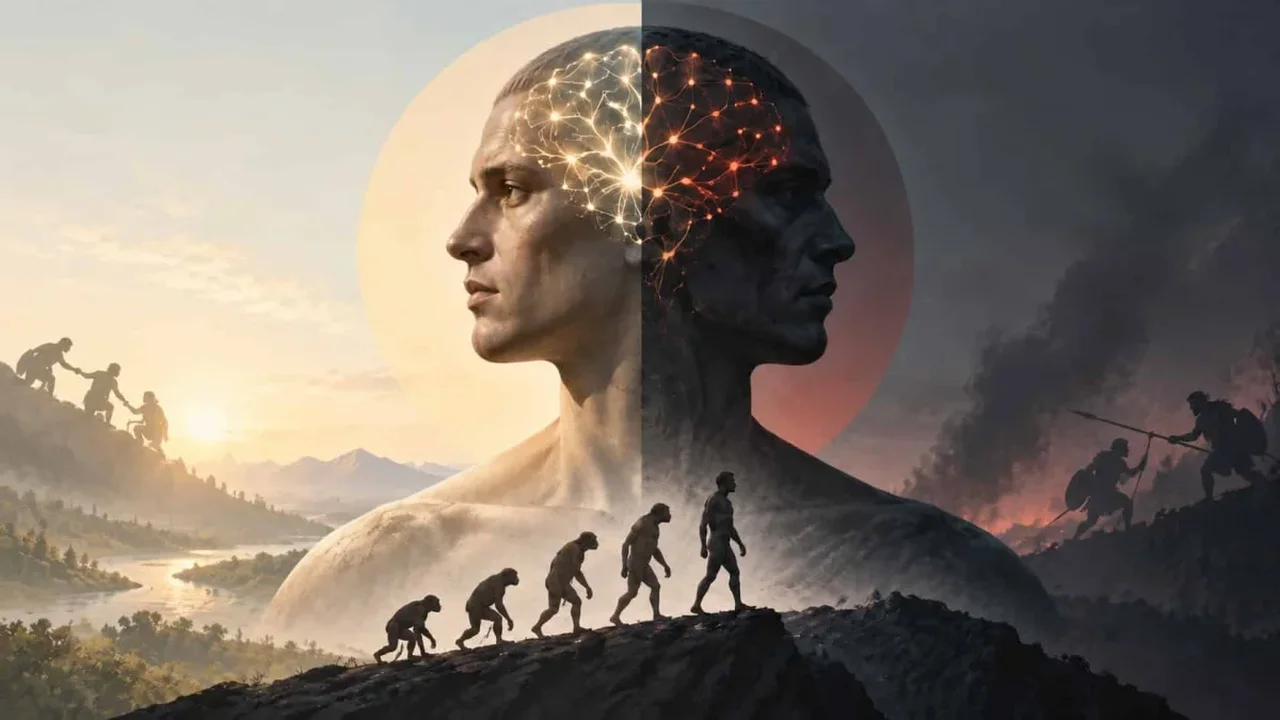
Human evolution continues to puzzle researchers because our species combines traits rarely seen together in nature: language, cumulative culture, advanced cooperation, moral judgment and self-awareness. At the same time, humans can also display rivalry, aggression and highly organized collective behavior.
Why humans stand apart
For centuries, thinkers have tried to explain what makes humans distinctive. After Darwin, the question moved deeper into biology, anthropology, psychology and neuroscience. Yet even today, there is no single theory that fully explains how our unusual mix of social intelligence, consciousness and behavior emerged.
One major line of research is the self-domestication hypothesis. It suggests that over time, humans may have been selected for lower reactive aggression, making cooperation and social tolerance more advantageous. Related work also distinguishes between impulsive aggression and planned aggression, helping explain how greater social harmony could evolve without erasing the capacity for coordinated force.
Cooperation, culture and consciousness
Another approach focuses on the rise of shared goals. Researchers such as Michael Tomasello argue that the ability to share intentions and attention helped build the foundations of human cooperation and culture. Sarah Blaffer Hrdy adds that the demands of cooperative child-rearing may have shaped our sensitivity to others and strengthened social bonds.
A third perspective looks at gene-culture co-evolution. In this view, culture is not just a result of biology; it also becomes part of the environment that shapes future evolution. Language, tools, norms and accumulated knowledge can all influence which traits are favored over time.
Some theories go further and connect the rise of consciousness with internal psychological tension. They propose that once early humans became capable of self-management through learning and reflection, instinct and conscious thought may have begun to interact in new ways, shaping emotions and identity.
What stands out is not a final answer, but the growing scientific effort to understand how biology, culture and mind evolved together. As research advances, this question may help reveal not only where humans came from, but where human potential may go next.