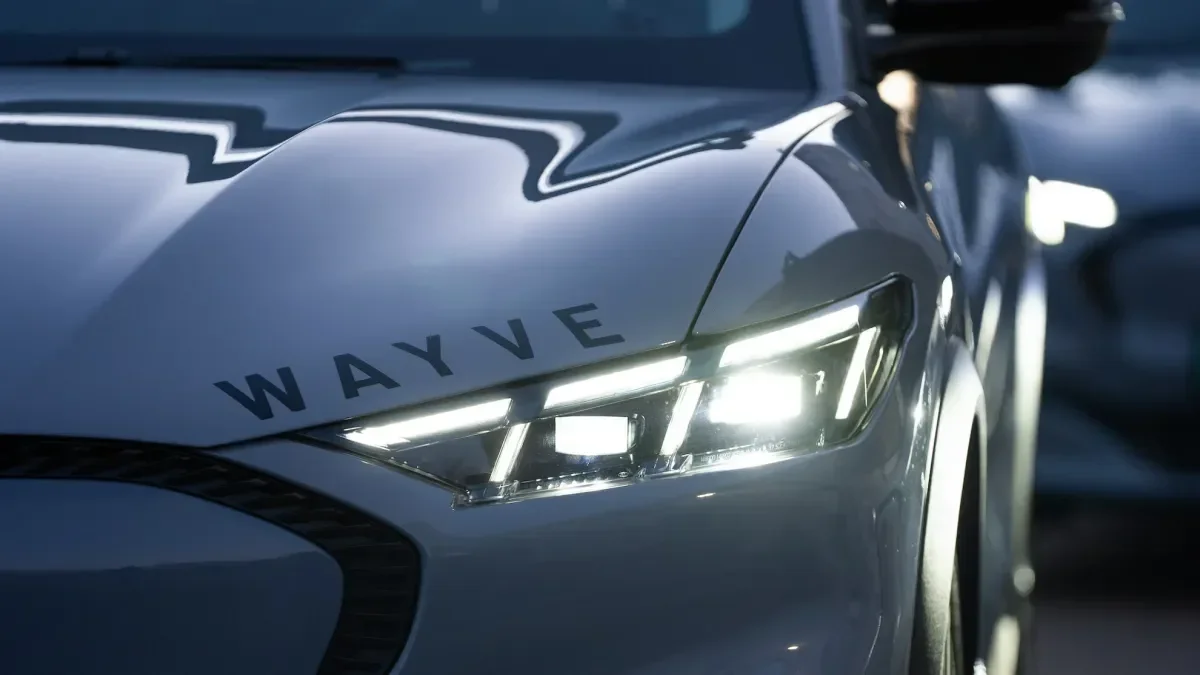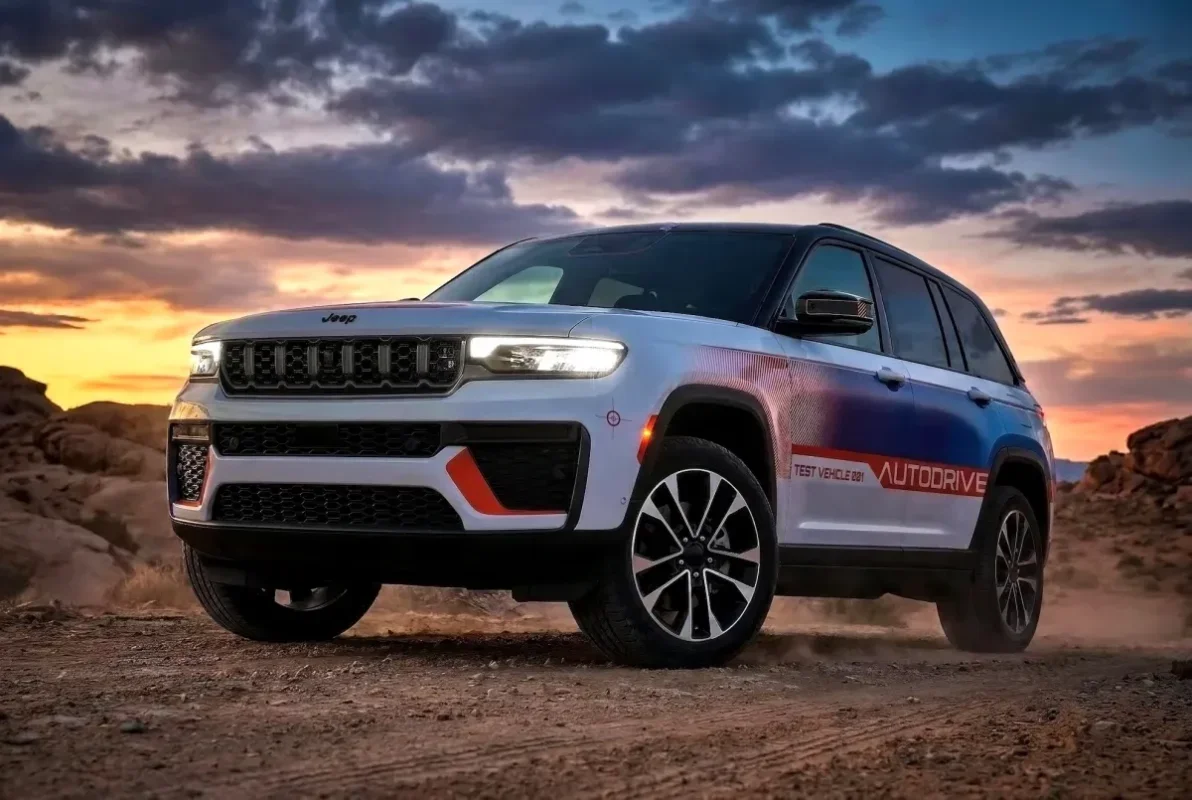
Stellantis, the parent company of renowned brands such as Jeep and Ram, has announced a collaboration with the self-driving startup Wayve to integrate hands-free driving capabilities into its vehicles by 2028.
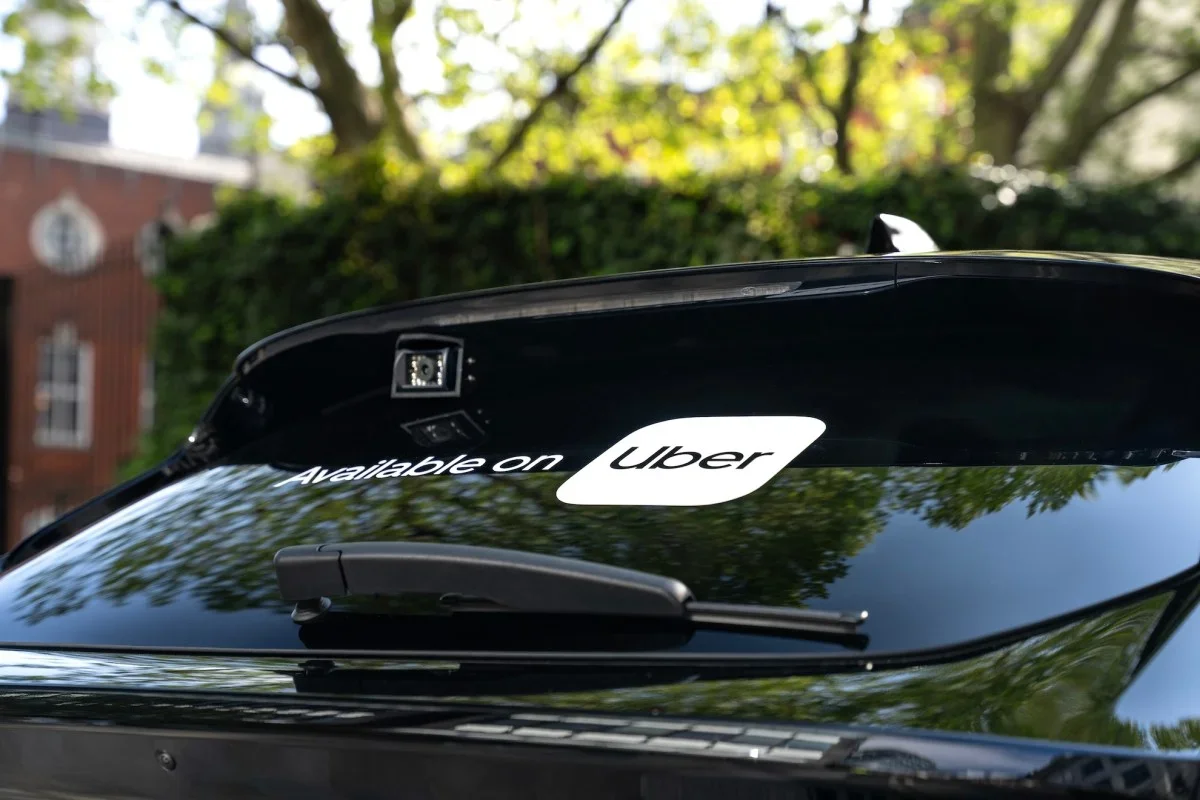
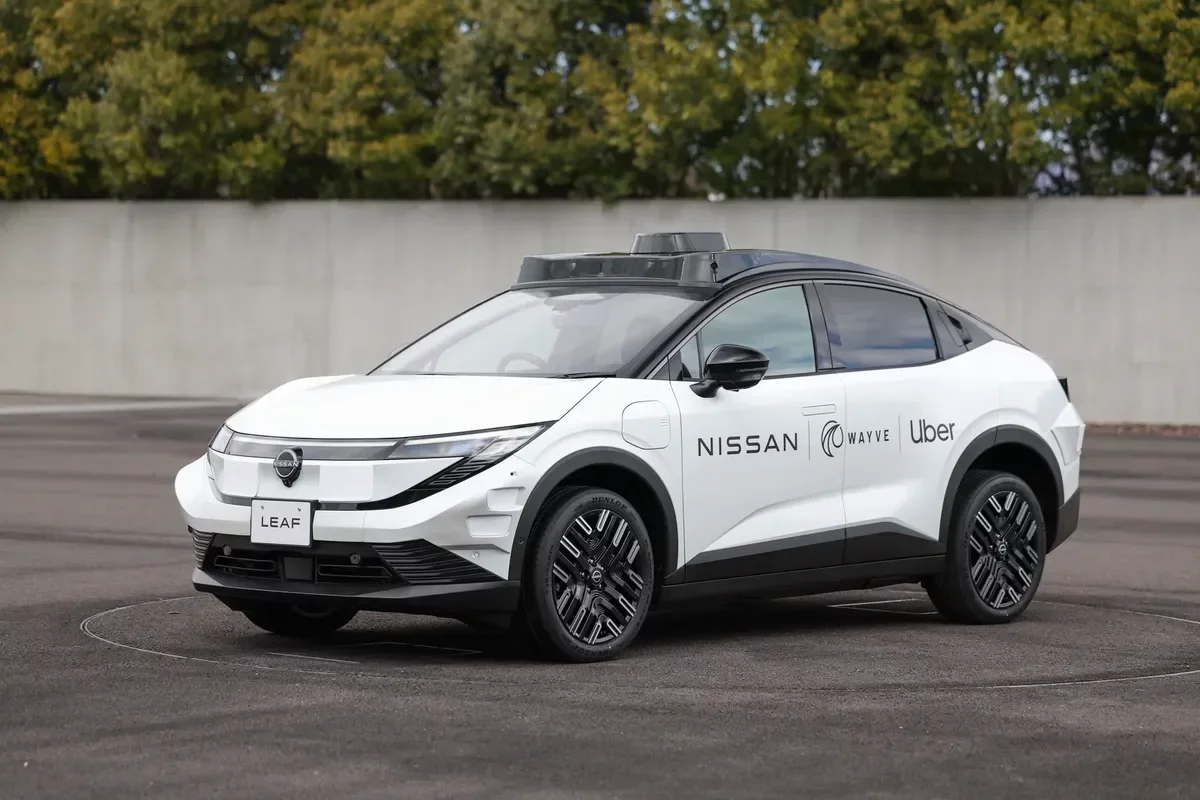
This partnership was unveiled during Stellantis' investor day at its North American headquarters in Michigan. This marks Wayve's second collaboration with an automaker, following a significant $1.2 billion Series D funding round that attracted notable investors, including Nissan, Stellantis, Microsoft, Nvidia, and Uber.
While specific details regarding the financial terms of the agreement or the Stellantis models set to feature Wayve's self-driving technology remain undisclosed, Wayve's CEO, Alex Kendall, emphasized that this is a commercial contract aimed at scaling their technology for Stellantis. The initial focus will be on the North American market, narrowing down Stellantis' diverse portfolio of 14 brands, including Chrysler and Dodge.
Kendall expressed enthusiasm about the collaboration, stating, "Stellantis operates on a global scale with a wide range of products. Our adaptable AI technology is designed to cater to various vehicle types and driving conditions, making this partnership a perfect fit."
By 2028, Stellantis plans to introduce 11 new vehicles as part of its $70 billion turnaround strategy, with seven models priced below $40,000 and two under $30,000. It remains uncertain whether Wayve's technology will be integrated into these more affordable vehicles.
Wayve's innovative self-driving system stands out as it is not reliant on specific sensors, high-definition maps, or chips, which makes it appealing to cost-conscious automakers like Stellantis. Instead, it utilizes an end-to-end neural network that processes data from existing vehicle sensors to enable autonomous driving.
The company offers two primary products: a hands-off assisted driving system comparable to Tesla's Full Self-Driving (Supervised) and a future driverless system suitable for robotaxis and passenger vehicles.
Stellantis will implement Wayve's hands-off, eyes-on system, which was developed in a remarkably short timeframe of just two months. Kendall noted that engineers had a prototype operational within weeks, demonstrating the efficiency of their AI-based technology.
"Our model is designed to generalize across various computing platforms, sensors, and vehicle types," Kendall remarked, highlighting the versatility of Wayve's system in comparison to existing technologies.