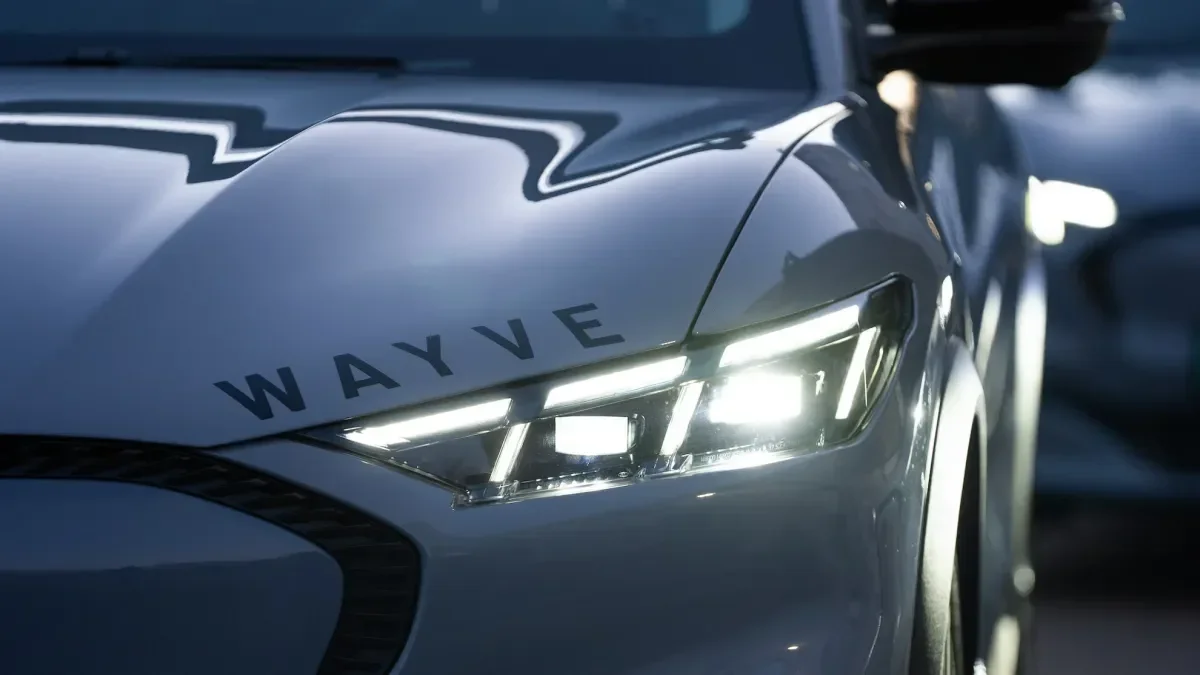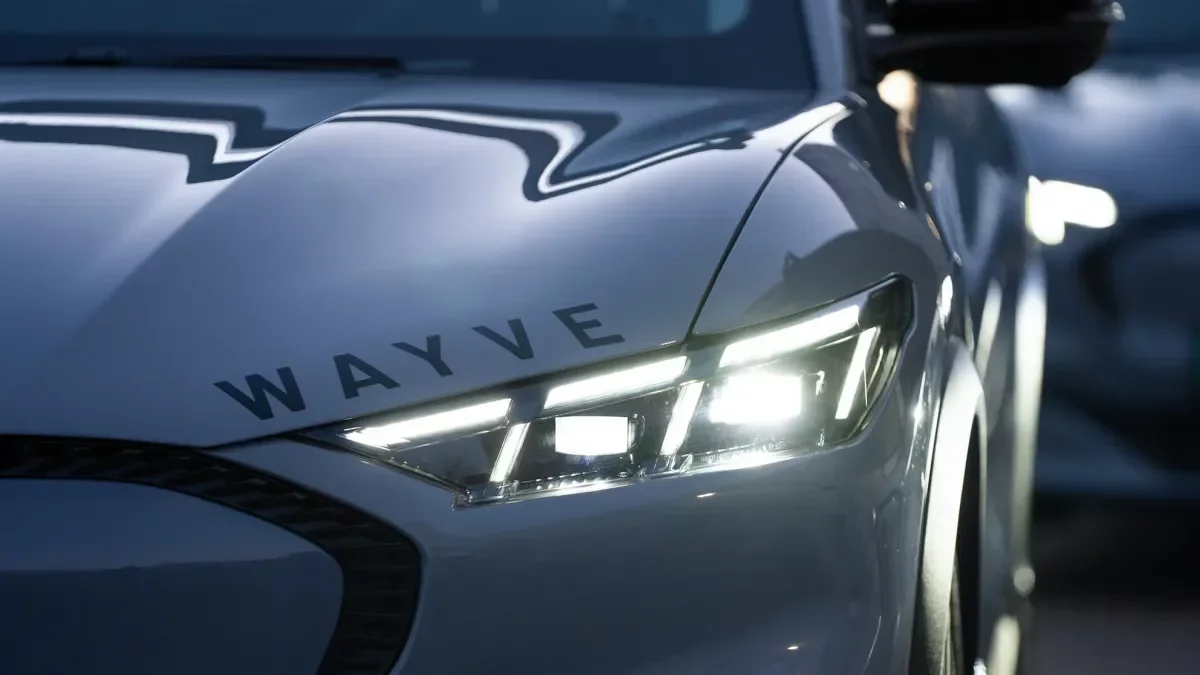
Wayve, a pioneering self-driving technology startup, has successfully raised $1.8 billion in its latest funding round, attracting a diverse array of investors, including prominent firms like Nvidia, Uber, and several established automakers. This infusion of capital has propelled the company's valuation to an impressive $8.6 billion, highlighting the immense interest in the rapidly evolving automated driving sector.
According to Wayve's founder and CEO, Alex Kendall, the company offers a unique perspective in the autonomous driving landscape, distinguishing itself through its innovative technology and business model. "We adopted a contrarian approach, being the first to implement end-to-end deep learning for autonomous driving," Kendall explained in a recent interview. This strategy not only sets Wayve apart technologically but also positions it distinctively in the commercialization phase.
Founded in 2017, Wayve utilizes a self-learning software approach that leverages data-driven methodologies instead of relying on high-definition maps. This enables the development of two primary products: an "eyes on" assisted-driving system and an "eyes off" fully automated driving system, applicable to both robotaxis and consumer vehicles in specific environments.
One of the key advantages of Wayve's technology is its agnostic nature, allowing it to function with various sensors and existing vehicle hardware. This flexibility enables the software to make driving decisions based on the data collected from any onboard sensors, ensuring compatibility with the chips used by its automotive partners.
The startup's collaboration with Nvidia has been ongoing since 2018, culminating in the introduction of its Gen 3 platform, which incorporates Nvidia's advanced computing technology. This platform enhances Wayve's capabilities, allowing it to offer advanced driver-assistance systems and Level 4 driverless features suitable for urban and highway environments.
While Wayve's technology shares similarities with Tesla's approach to automated driving, its business model diverges significantly. Unlike competitors that operate their own autonomous fleets, Wayve focuses on licensing its "embodied AI" to automakers and technology firms, such as Uber, thereby tapping into a broader market potential.
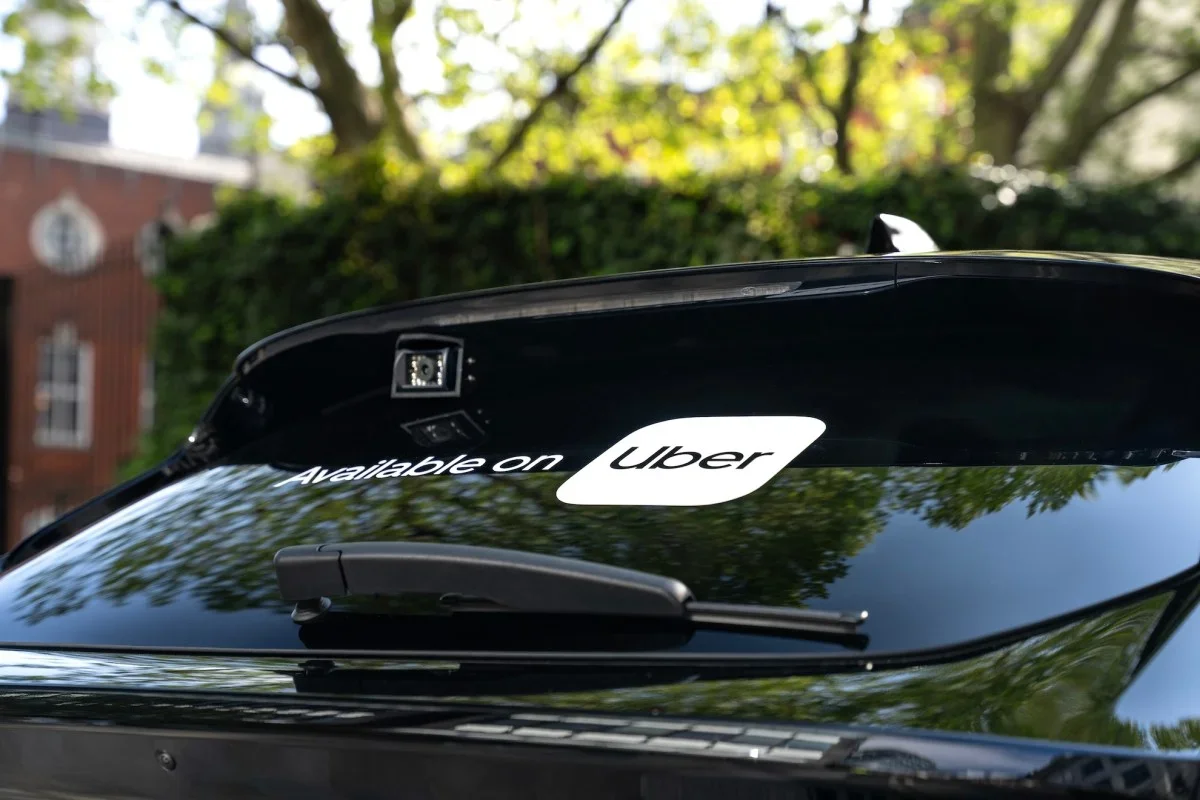
Wayve's partnerships with major players like Nissan and Uber signal a promising trajectory for the company. Nissan plans to integrate Wayve's self-driving technology into its vehicles starting in 2027, while Uber is set to initiate commercial trials this year using Wayve's software. Uber's CEO, Dara Khosrowshahi, expressed excitement about the partnership, emphasizing plans to expand operations across multiple global markets.
This funding round was spearheaded by Eclipse, Balderton, and the SoftBank Vision Fund 2, with new investors including the Ontario Teachers' Pension Plan and others. The participation of global automakers such as Mercedes-Benz, Nissan, and Stellantis further underscores the growing confidence in Wayve's technology.