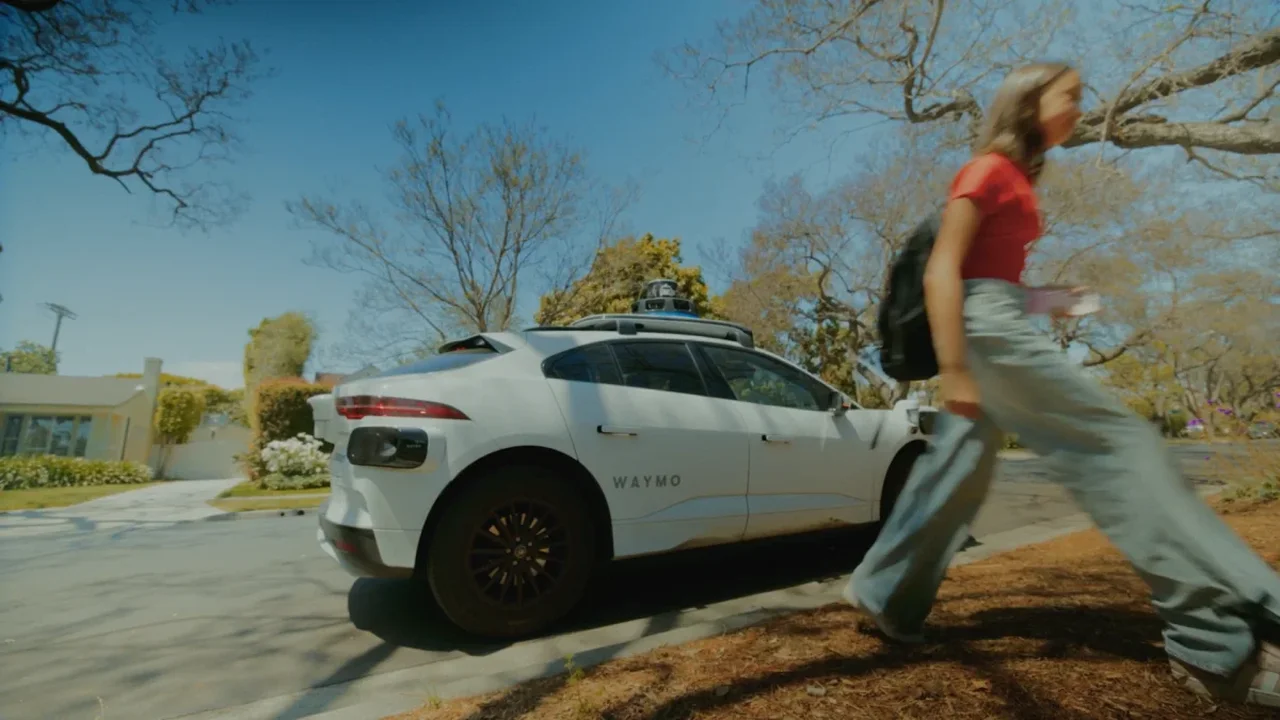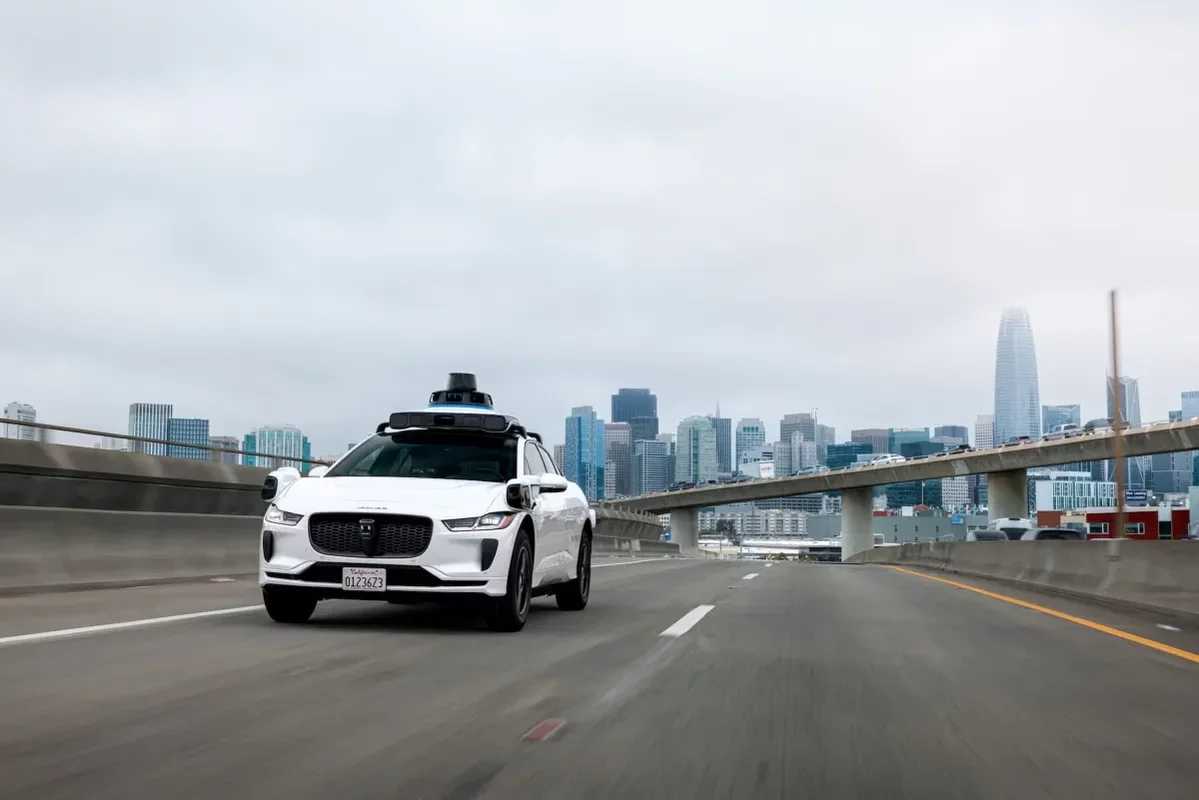
In a recent session of the Senate Commerce Committee, Mauricio Peña, Waymo's Chief Safety Officer, shared insights regarding the company's autonomous vehicle operations. The hearing primarily aimed to educate the public about self-driving technology.
However, it was the inquiry from Sen. Ed Markey regarding the employment of overseas workers that captured significant attention. Peña disclosed that Waymo utilizes remote guidance personnel located in the Philippines to assist with navigation and emergency situations for its vehicles. This revelation prompted criticism from Markey, who questioned the appropriateness of relying on individuals without U.S. driver's licenses for operations on American roads.
In response, Waymo published a blog post authored by Ryan McNamara, the head of global operations, clarifying the role of remote assistance. The company emphasized that these workers do not "remotely drive" the robotaxis; instead, they provide support based on specific inquiries made by the vehicle's self-driving system.
Waymo has also established Event Response Teams (ERTs) comprised of certified personnel based in the United States. These teams are tasked with handling more complex situations, such as responding to accidents, coordinating with law enforcement, and gathering data for regulatory compliance.
Currently, Waymo employs approximately 70 Remote Assistance agents globally, stationed in locations including Arizona, Michigan, and two cities in the Philippines. This arrangement has sparked further debate among lawmakers about the implications of such staffing decisions.
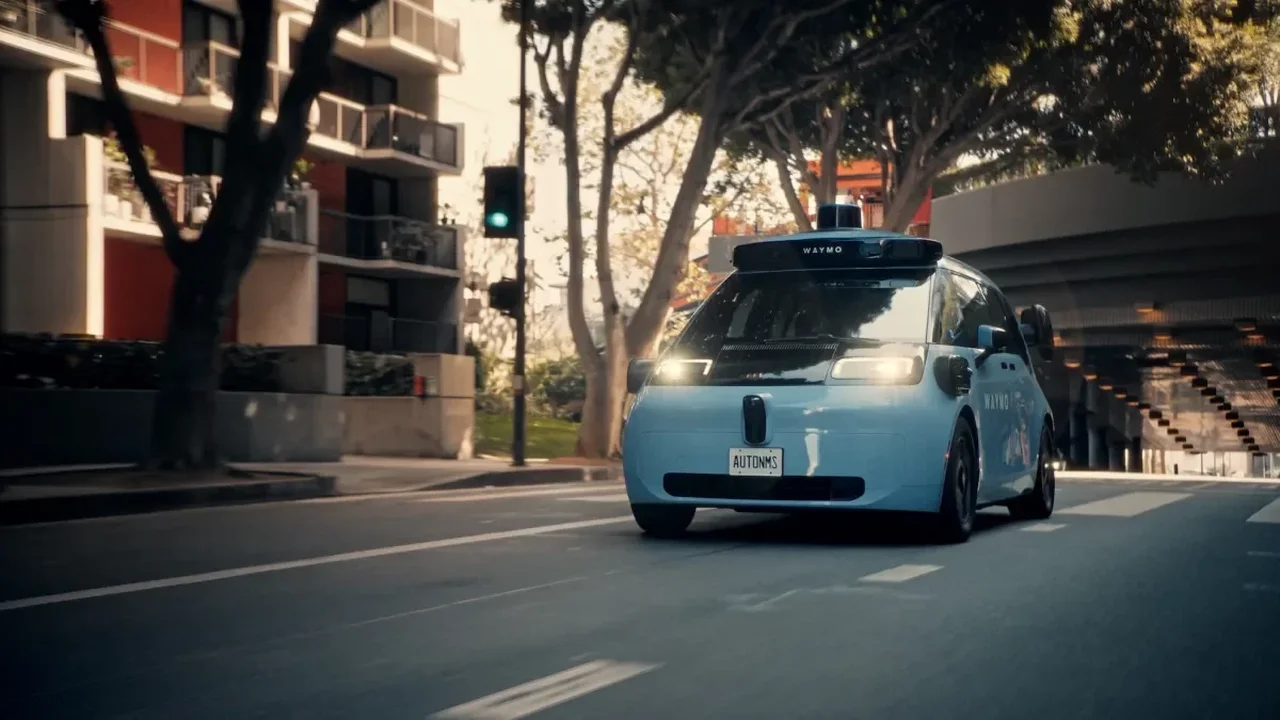
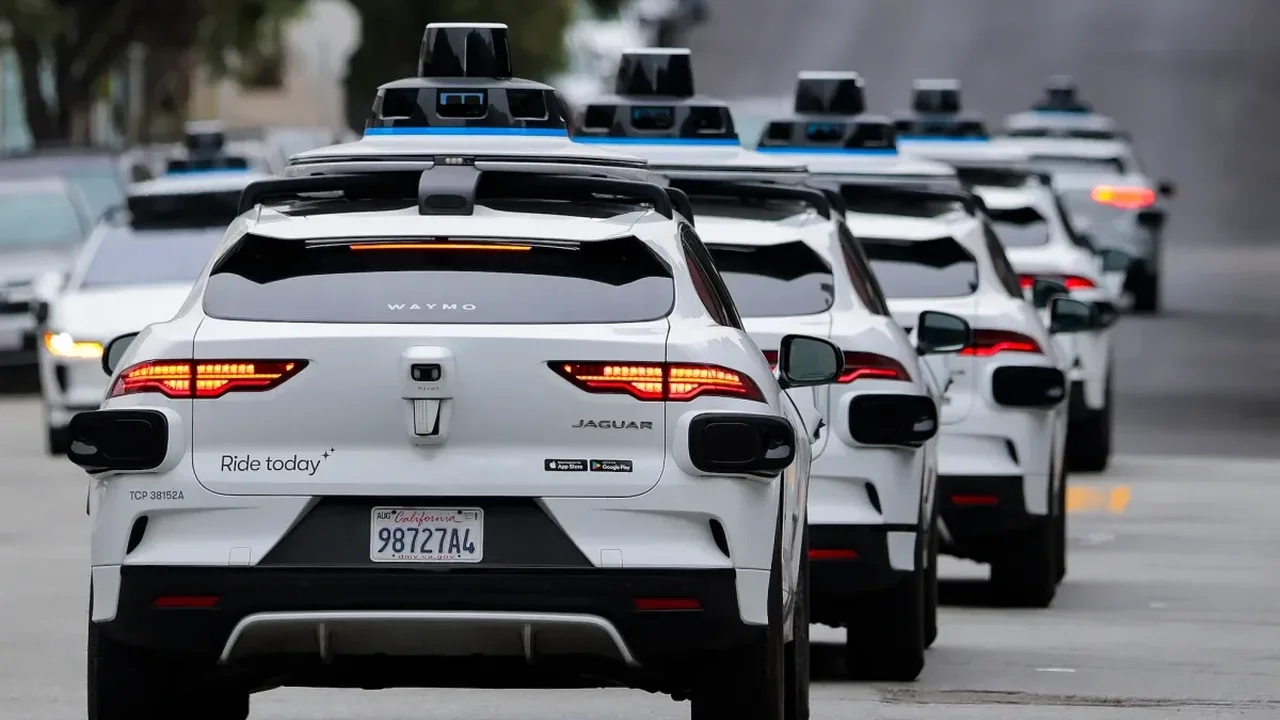
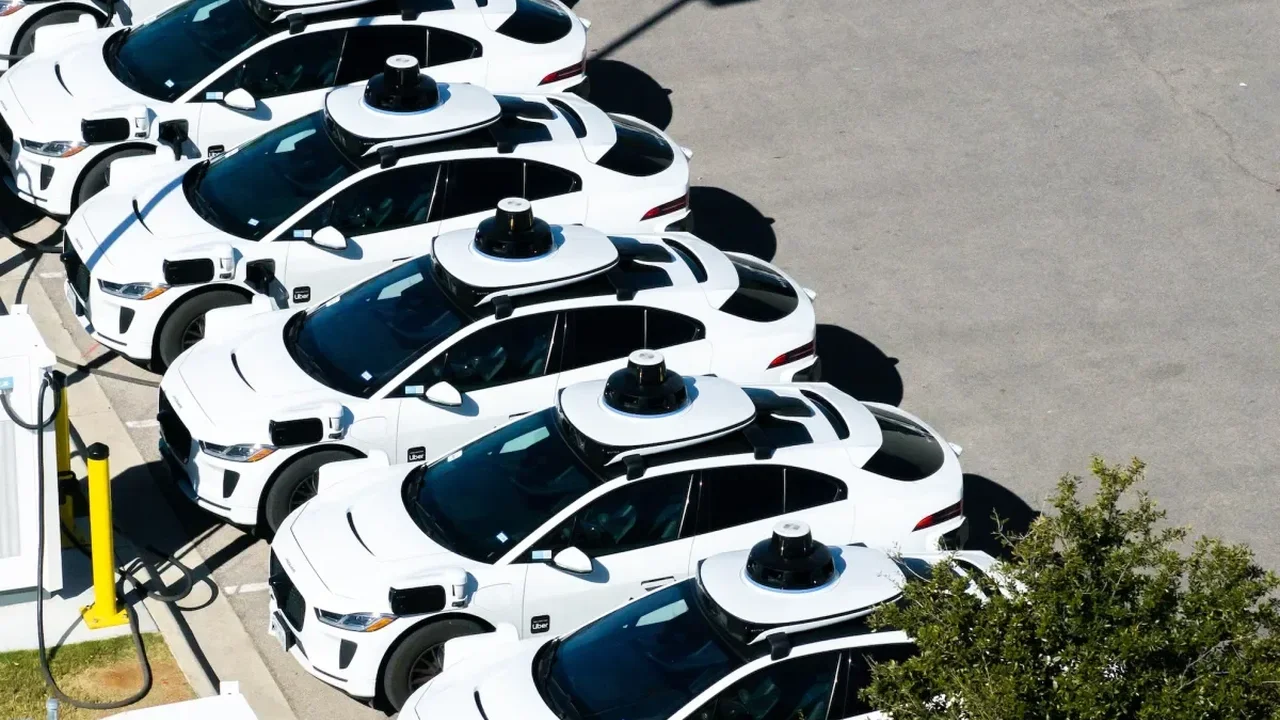
With a fleet of 3,000 vehicles, Waymo's robotaxis collectively cover over 4 million miles and provide more than 400,000 rides weekly, highlighting the operational scale of the company with a relatively small number of remote workers overseeing the process.
As the discussion around remote guidance continues, Waymo is also exploring expansion into new markets. However, a recent proposal by New York Governor Kathy Hochul to amend vehicle and traffic laws to facilitate robotaxi operations outside New York City has been withdrawn due to insufficient support among stakeholders.
In a separate poll conducted among Mobility readers, a significant majority expressed skepticism regarding the expected starting price of the Rivian R2, with most believing it will exceed $60,000.