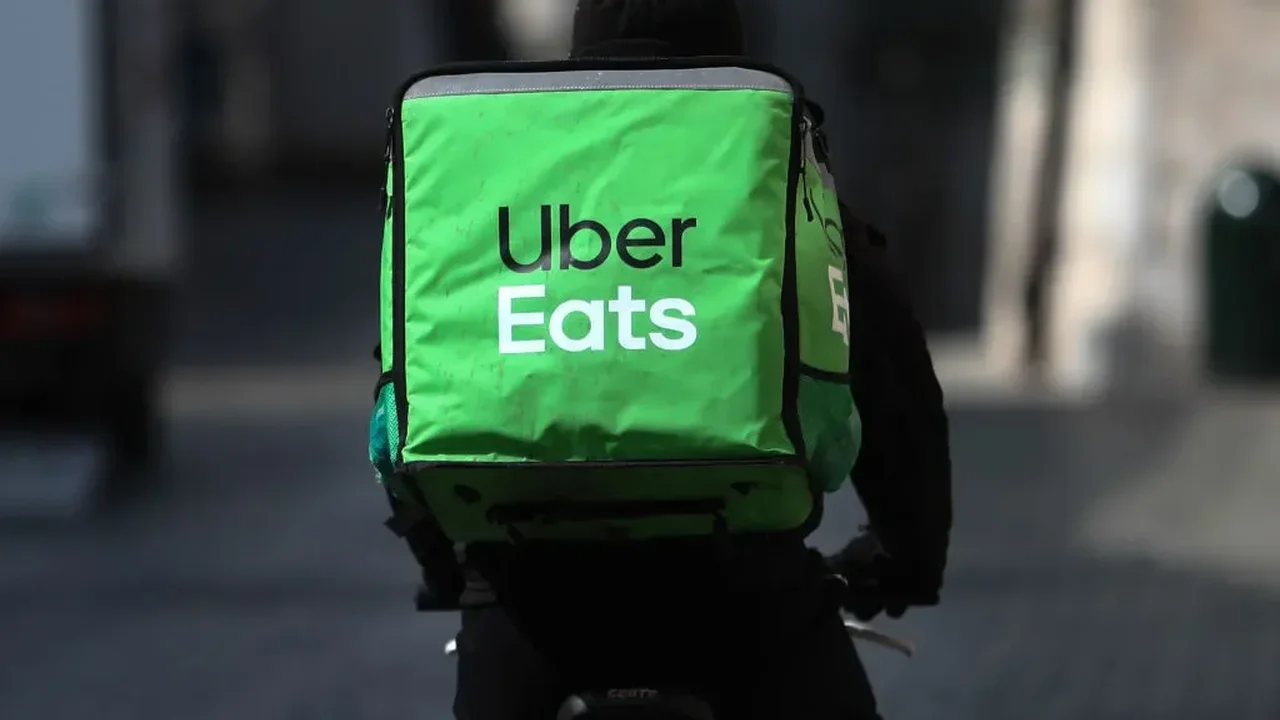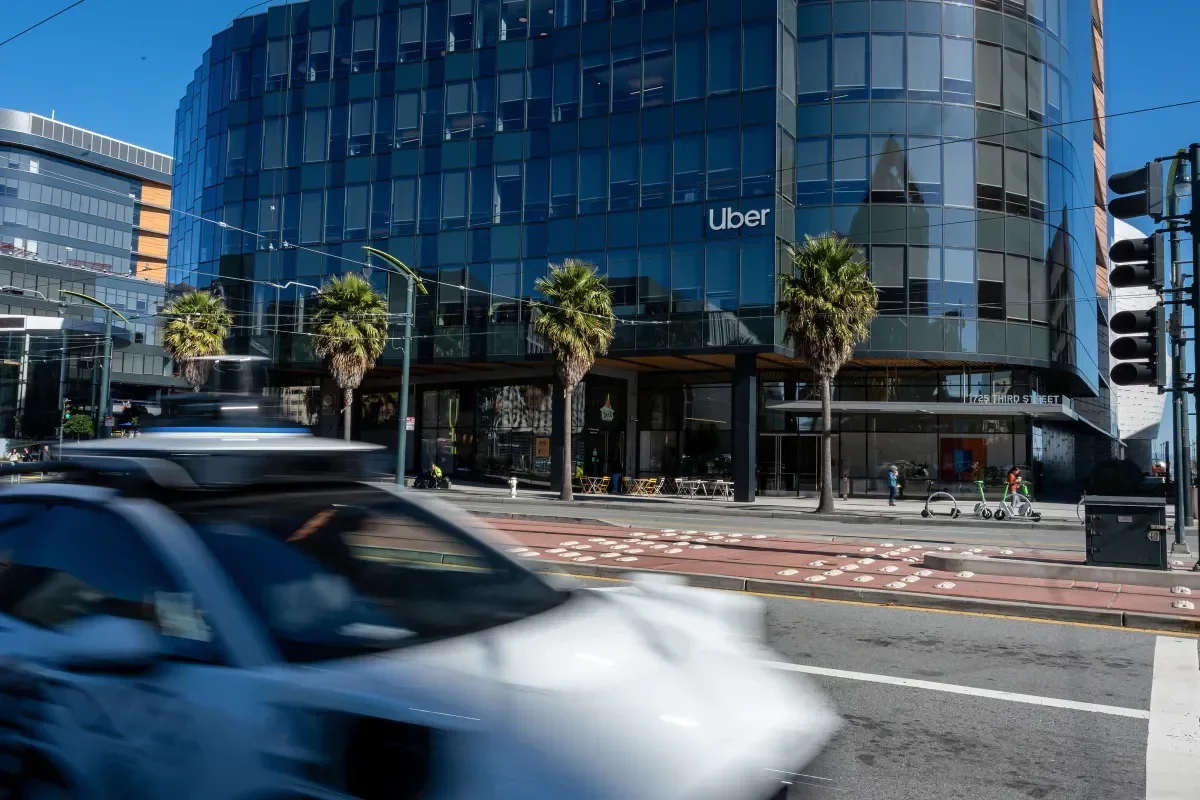
Uber is setting its sights on a future that transcends traditional ride-hailing services. The company envisions outfitting its vast network of human-driven vehicles with advanced sensors to gather real-world data for autonomous vehicle (AV) developers and other AI model trainers.
During a recent interview at TechCrunch's StrictlyVC event in San Francisco, Uber's Chief Technology Officer, Praveen Neppalli Naga, shared this ambitious vision. He described it as a natural progression from the recently launched AV Labs initiative, aimed at collecting driving data for robotaxi partners.
"This is the direction we aspire to take," Naga stated regarding the integration of sensor kits into vehicles driven by humans. "However, we first need to understand how these sensor systems operate. There are regulatory considerations to address, ensuring clarity across states about what these sensors entail and the implications of data sharing."
Currently, AV Labs operates a small fleet of sensor-equipped vehicles managed by Uber itself, distinct from its driver network. Nonetheless, the potential for scaling this initiative is immense. With millions of drivers worldwide, transforming even a portion of these cars into mobile data-collection platforms could provide unparalleled insights to the AV industry, surpassing what any single AV company could amass independently.
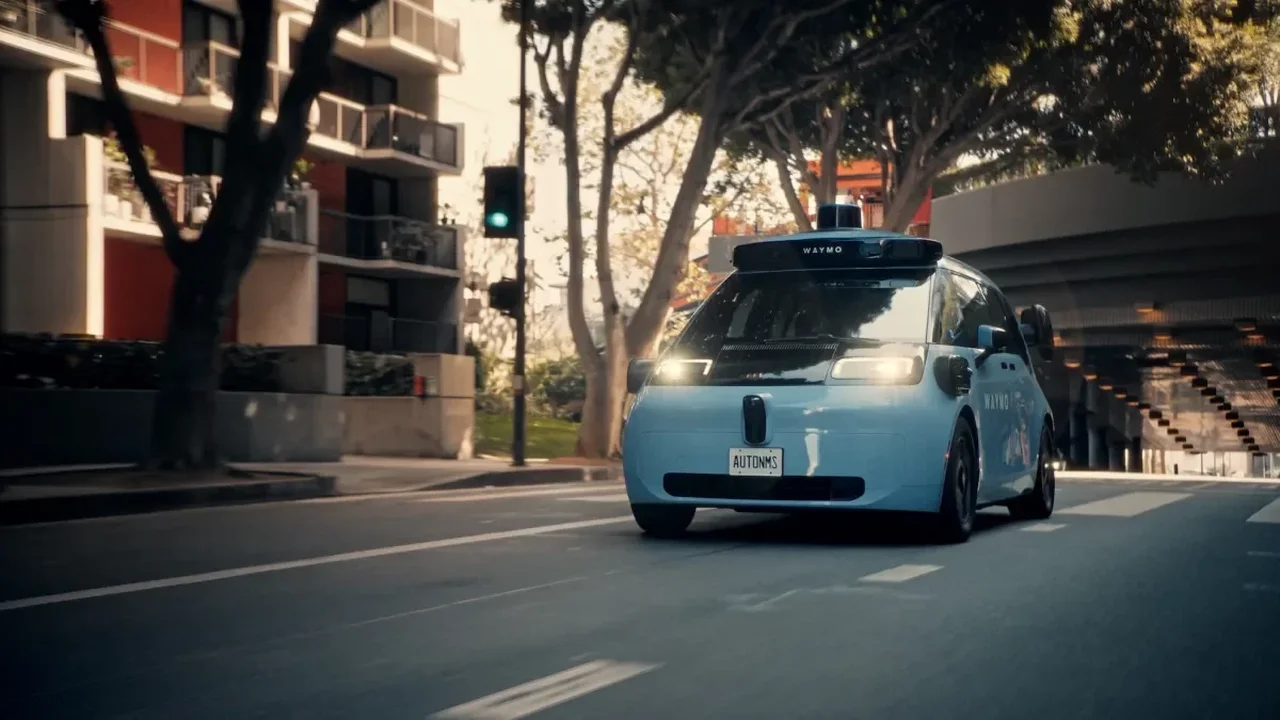
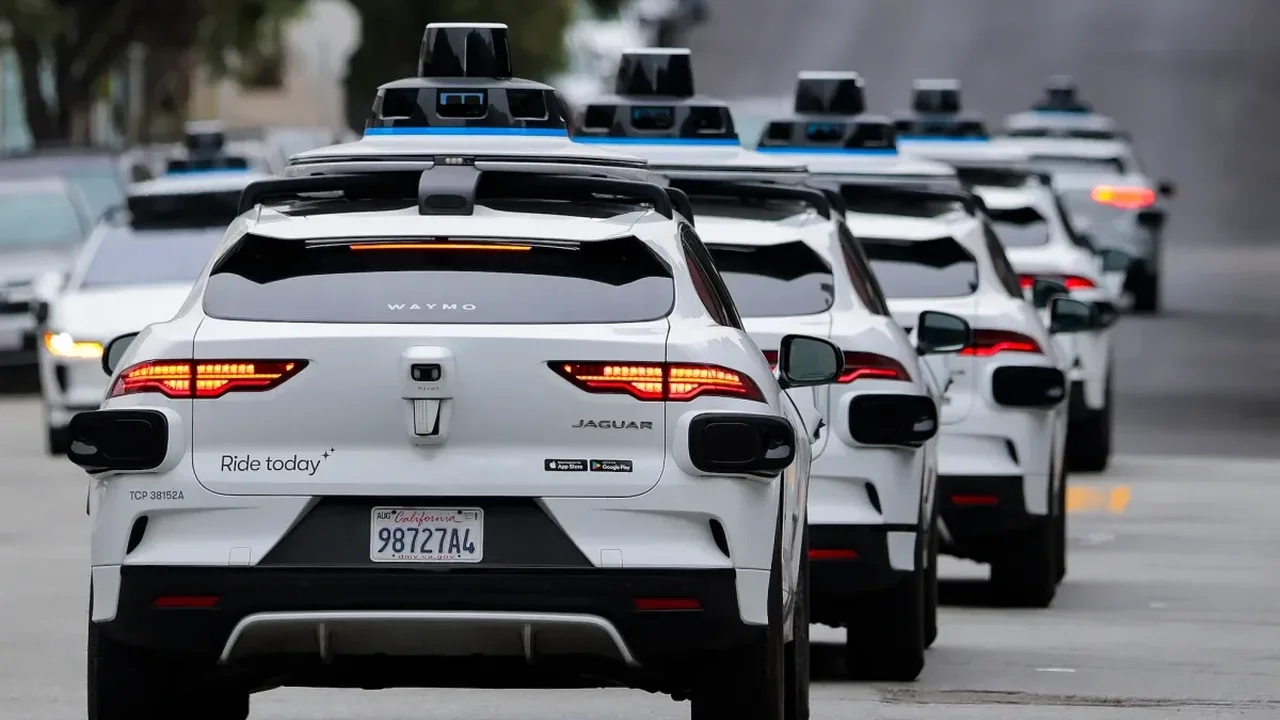
Naga emphasized that the primary constraint on AV progress is not the technology itself but rather the availability of data. "The bottleneck is data," he explained. "Companies like Waymo need to gather data from various scenarios. For instance, they might request data from a specific school intersection in San Francisco at a particular time to refine their models. The challenge lies in accessing that data, as many companies lack the resources to deploy vehicles for extensive data collection."
By positioning itself as a crucial data layer for the AV ecosystem, Uber is making a strategic move, especially after stepping back from its own self-driving car ambitions. This shift has raised questions about its future relevance in a world increasingly populated by AVs.
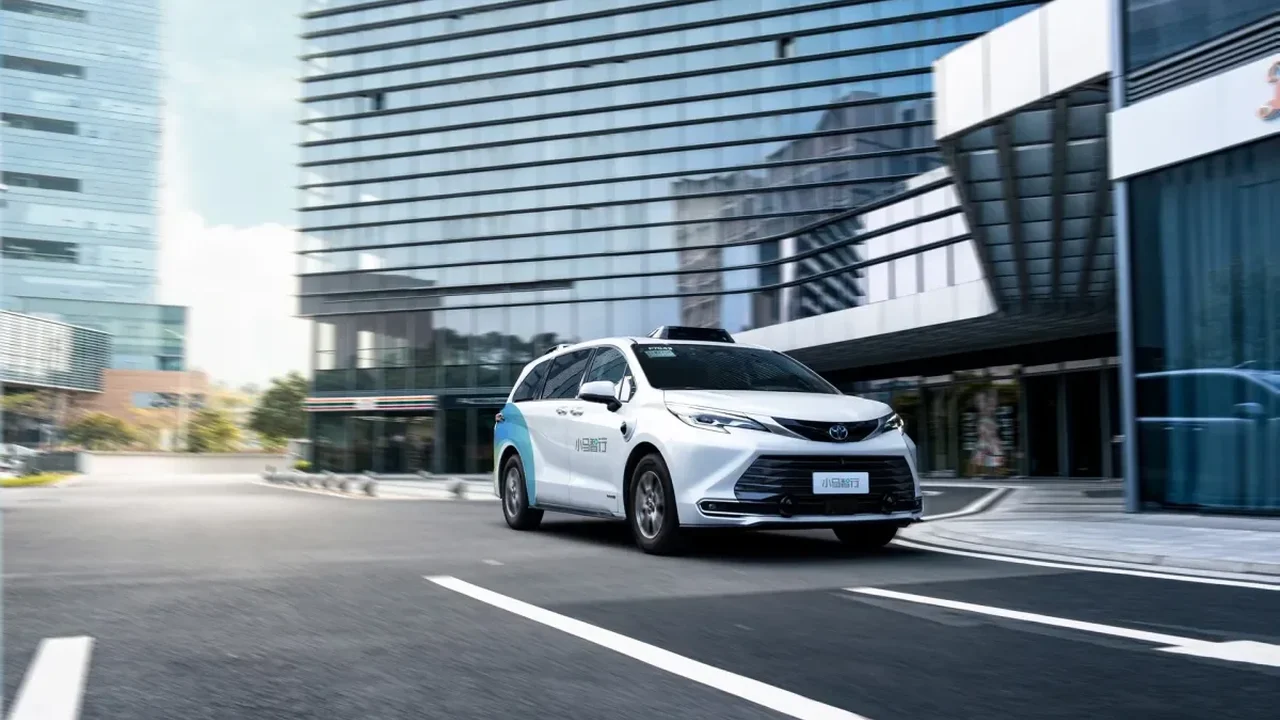
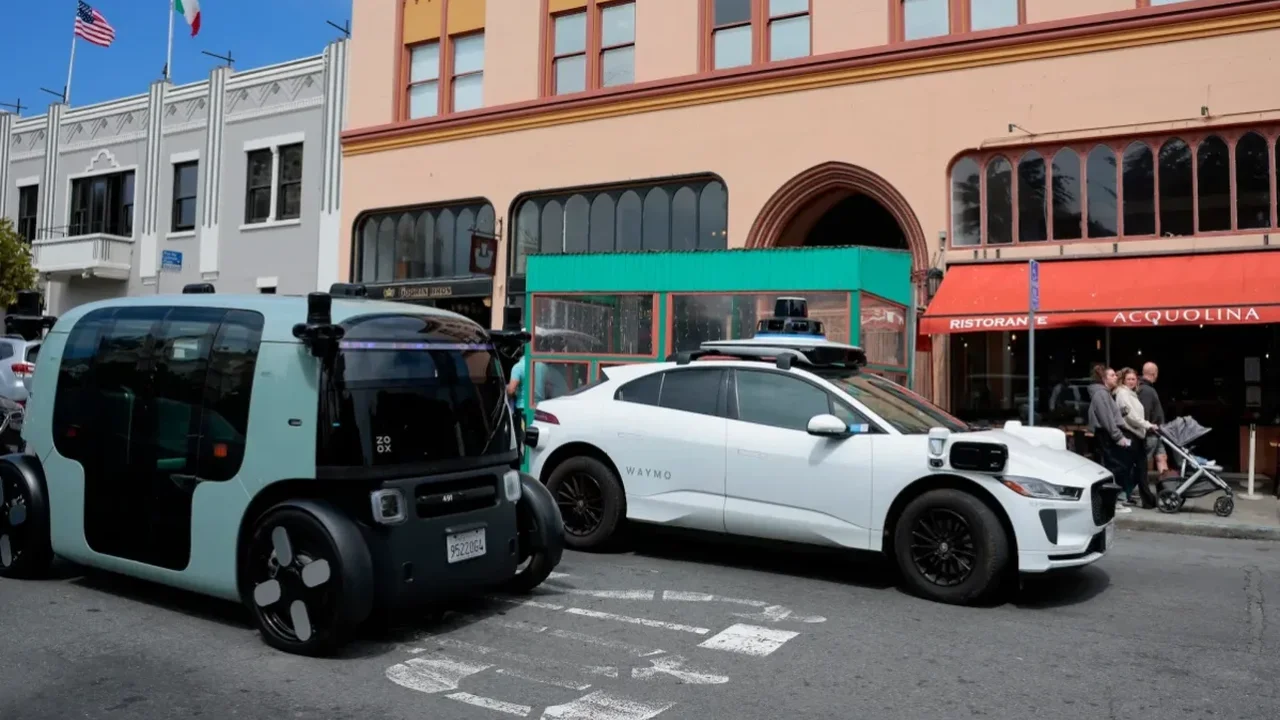
Uber currently collaborates with 25 AV companies, including Wayve in London, and is developing what Naga refers to as an "AV cloud." This platform will serve as a repository of labeled sensor data that partners can access to train their models. Additionally, partners will be able to test their trained models in "shadow mode" against real Uber rides, simulating AV performance without deploying actual vehicles.
"Our aim is not to profit from this data," Naga asserted. "We want to democratize access to it."
Given the inherent commercial value of this initiative, it's likely that Uber's approach may evolve. The company has already invested in several AV firms, and its capability to provide proprietary training data on a large scale could enhance its influence in a sector that relies on Uber's ride-hailing marketplace to connect with users.