The potential of physical AI lies in the ability for engineers to program physical agents much like their digital counterparts. However, the journey towards this goal is still in its infancy, primarily due to a lack of data from real-world environments. Companies are often forced to construct mock warehouses for testing, while a burgeoning industry focuses on monitoring factory lines and gig workers to gather data for training deep learning models that control robots.
Enter Antioch, a startup dedicated to creating simulation tools that cater to robot developers. Their mission is to address the sim-to-real gap, striving to make virtual environments so realistic that robots trained within them can function effectively in the physical world. CEO and co-founder Harry Mellsop emphasizes the need for high-fidelity simulations that mirror reality as closely as possible.
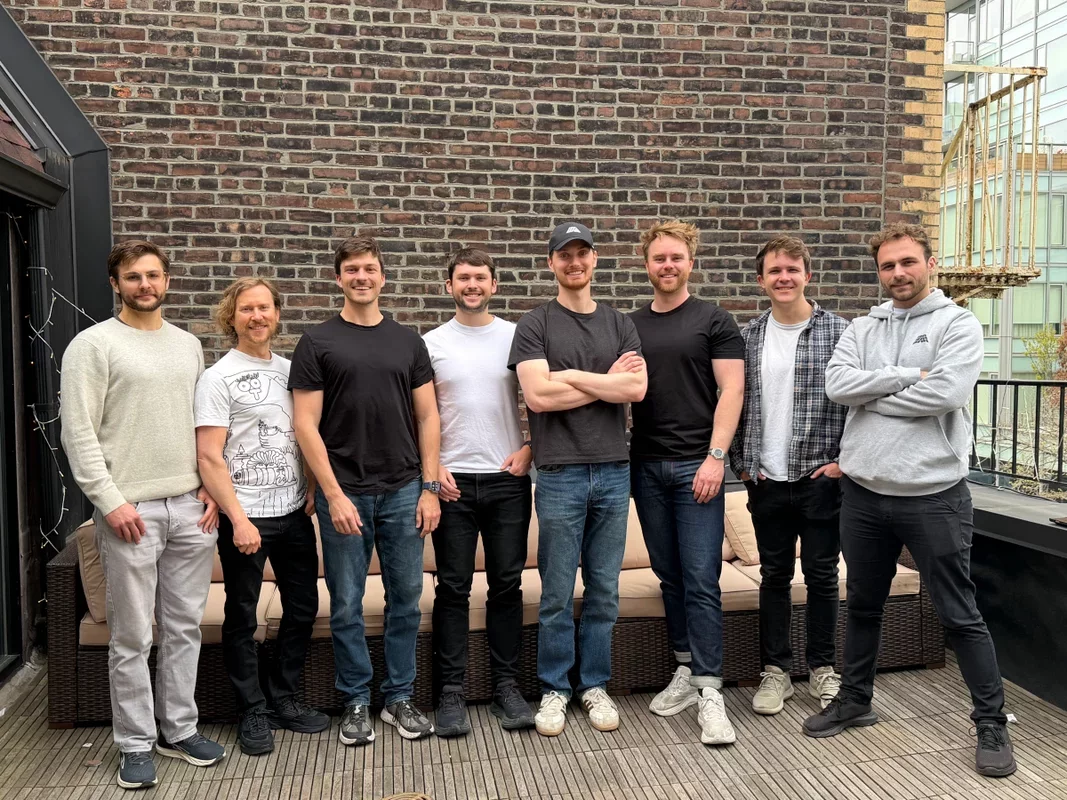
Recently, Antioch secured an impressive $8.5 million in seed funding, bringing its valuation to $60 million. This funding round was led by A* and Category Ventures, with contributions from MaC Venture Capital, Abstract, Box Group, and Icehouse Ventures. Mellsop, who founded the New York-based company in May 2022 with four co-founders, aims to provide a platform that smaller companies can leverage to overcome the high costs associated with physical testing.
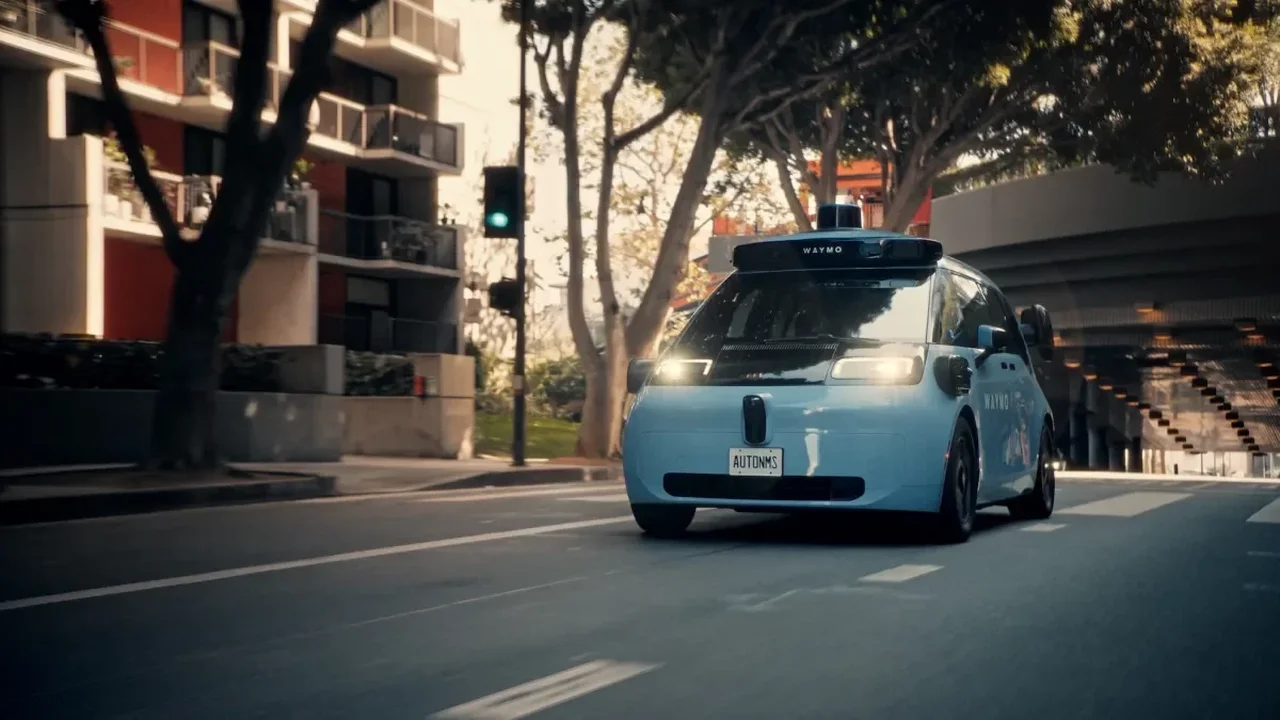
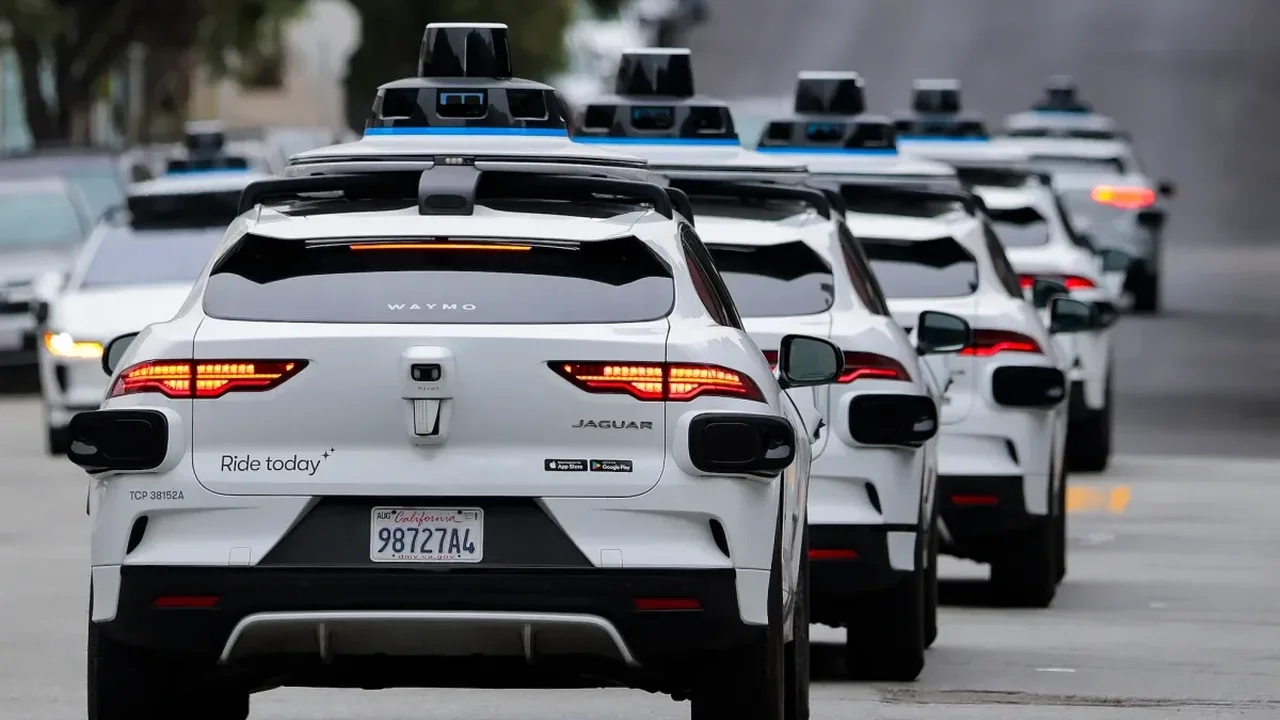
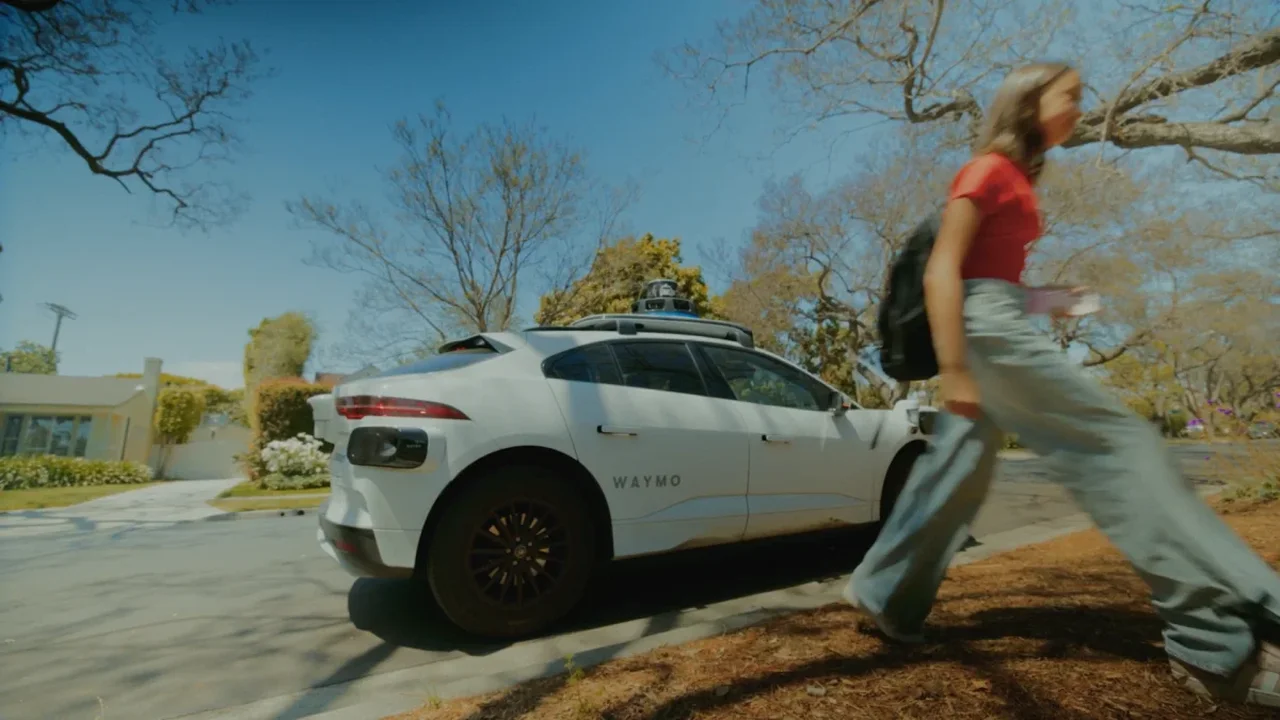
As the industry evolves, the importance of simulation becomes increasingly apparent. For instance, Waymo, in the realm of self-driving cars, utilizes Google DeepMind's world model to streamline data collection and testing processes, which is crucial for scaling autonomous vehicle technology. Antioch aspires to offer similar capabilities to newer companies that may lack the resources to develop their own extensive testing environments.
Antioch's platform allows developers to create multiple digital instances of their hardware, linking them to simulated sensors that replicate real-world data. This enables thorough testing of various scenarios, including edge cases and reinforcement learning. The challenge, however, remains in ensuring that the physics of the simulation aligns with reality to prevent issues when transitioning from simulation to real-world application.
With a focus on sensor and perception systems, Antioch is addressing significant needs across various sectors, including automated vehicles, agricultural machinery, and drones. While their primary clients are startups, they have also engaged with large multinationals investing heavily in robotics.
As the landscape of physical AI continues to develop, experts like Adrian Macneil, a former executive at Cruise, advocate for the emergence of tools akin to those that propelled the SaaS revolution. The vision is clear: in the next few years, autonomous systems will be primarily developed through software, closing the feedback loop between digital and physical realms.
Innovations like Antioch's platform could redefine the future of robotics, enabling engineers to create a robust data ecosystem that enhances the capabilities of autonomous systems and accelerates their deployment in real-world applications.