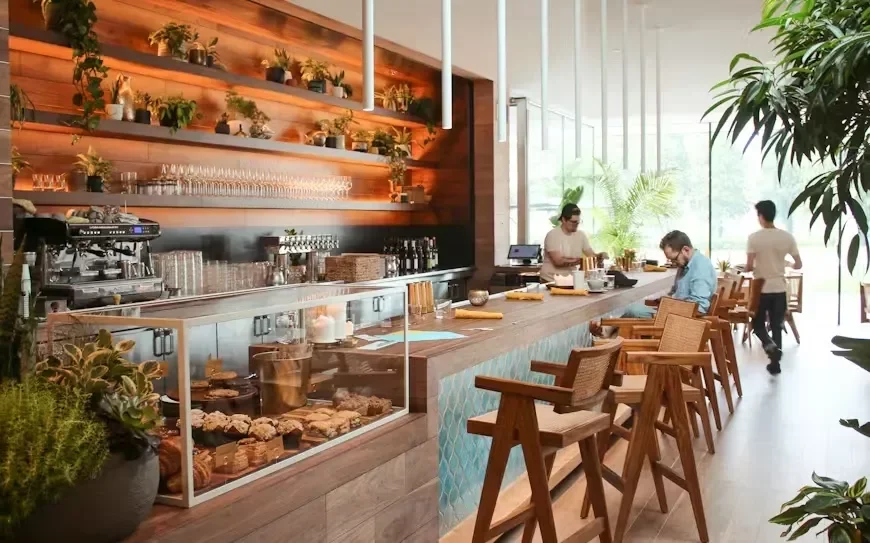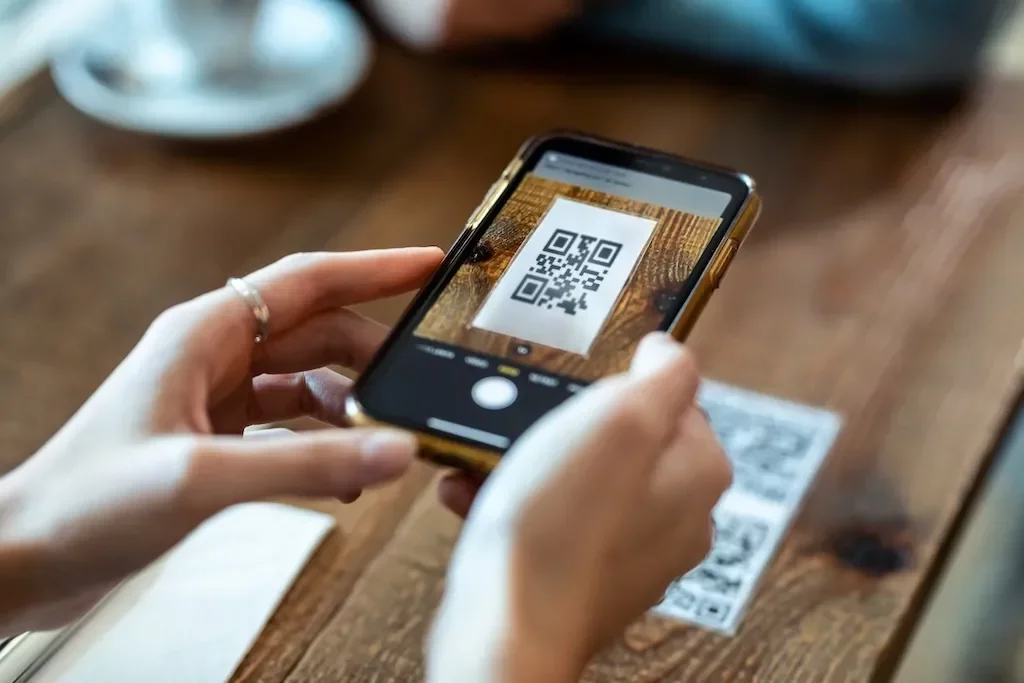
The restaurant located within the Walker Art Center in Minneapolis is undergoing a significant transformation by replacing its front-of-house staff with a QR-code ordering system. This shift marks a move towards a counter-service model, allowing patrons to place orders through their smartphones instead of interacting with servers.
Cardamom, the museum's in-house dining establishment operated by DDP Restaurant Group, is set to implement this change this week. As a result, 16 hosts and servers will be laid off, while kitchen staff and bartenders will remain in their positions, as reported by MPR News.
The restaurant's management has described this transition as a strategic business decision influenced by fluctuating visitor numbers and increasing operational costs. Due to varying attendance related to museum events and seasonal changes, staffing levels have often been inconsistent. A spokesperson noted that employees frequently faced early cuts during slow periods or were overextended during busy times.
However, some employees and labor advocates have expressed concerns about the abrupt nature of these layoffs, suggesting that they may be linked to recent organizing efforts. Additionally, there are worries that the shift to a QR-based system could diminish tip income, which constitutes a vital part of earnings for front-of-house staff.
A representative from the Walker Art Center clarified that the museum and the restaurant operate as separate entities, stating that the museum is unable to comment on the decisions made by restaurant leadership.
This development aligns with a broader trend that gained momentum during the Covid-19 pandemic, where QR codes emerged as a popular alternative to physical menus and high-contact service. Initially dismissed as outdated technology, QR codes became essential as restaurants sought contactless solutions.
While some dining establishments have reverted to traditional paper menus for accessibility reasons, many have embraced QR systems, evolving them into comprehensive ordering and payment platforms. Cardamom's transition reflects a growing trend among restaurants and cafés to not only enhance service with technology but to replace traditional service models entirely.
As the industry continues to adapt to new technologies, this shift at Cardamom may pave the way for further innovations in dining experiences, potentially reshaping how customers interact with restaurants in the future.