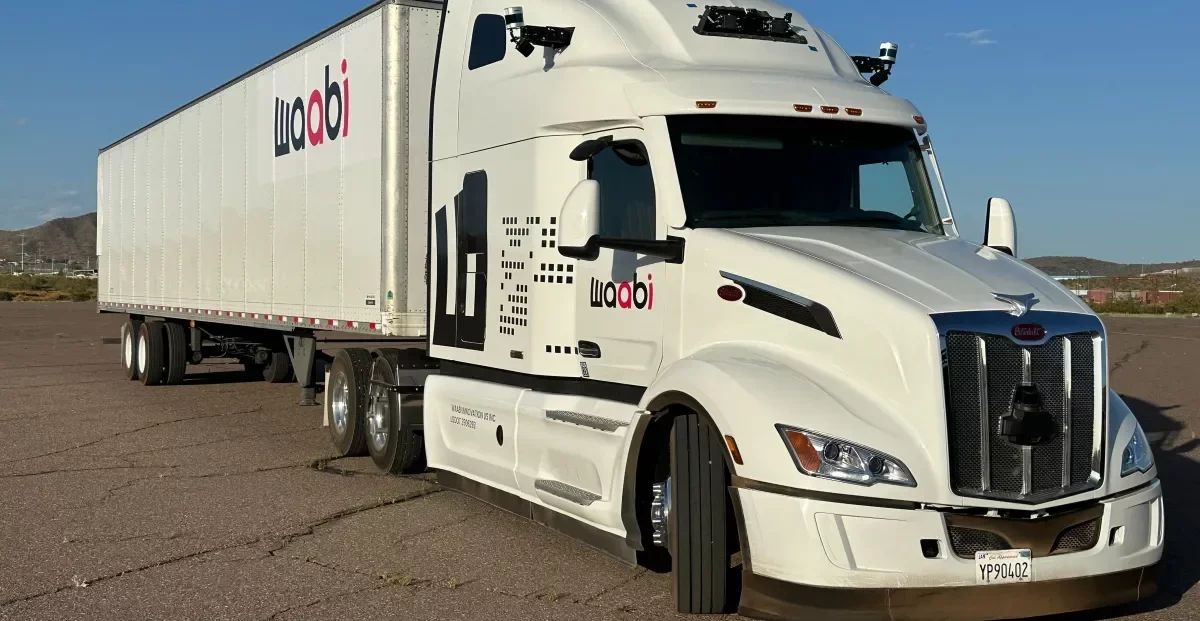
Waabi, a Toronto-based startup specializing in autonomous trucking, is set to broaden its horizons by entering the robotaxi sector, with Uber joining in this venture.
Founded in 2021 by Raquel Urtasun, the former chief scientist at Uber's Advanced Technologies Group, Waabi aims to adopt a more AI-focused approach to autonomous vehicles. Initially centered on trucking, the company has developed proprietary software to automate driving along commercial routes in Texas. However, as challenges in self-driving truck technology have emerged, Waabi is now shifting its attention towards autonomous ridesharing vehicles to showcase its capabilities in physical AI.
To facilitate this transition, Waabi has successfully raised $1 billion, which includes $750 million from a Series C funding round led by Khosla Ventures and G2 Venture Partners, along with significant investment from Uber specifically aimed at robotaxi development. Under this partnership, Waabi plans to deploy at least 25,000 robotaxis using its technology on Uber's platform, with Urtasun noting that this figure represents a minimum target.
Urtasun described the collaboration as a significant step forward for the robotaxi market, stating, "It really brings the next level of scale to the robotaxi market." Despite this ambitious announcement, Waabi has yet to validate its self-driving trucks for commercial use or launch any robotaxis. Urtasun did not disclose specific timelines or target markets for the robotaxi rollout but emphasized that the technology developed for trucking could be effectively adapted for ridesharing.
As Waabi pivots towards robotaxis, it joins a growing list of autonomous vehicle operators recognizing the potential in this space. The excitement surrounding early successes from companies like Waymo has attracted increased investment in startups with robotaxi plans.
While the expectation was that driverless trucks would lead the way in mass adoption before robotaxis, the industry has faced various hurdles, including regulatory challenges and technological setbacks. Nonetheless, Urtasun remains confident in Waabi's trucking technology, which she claims is highly capable, asserting that the company is committed to ensuring full validation before launching fully driverless operations.
As Waabi navigates the complexities of the robotaxi business, including passenger safety and liability considerations, it will likely rely on Uber's extensive experience in the ride-hailing market. Urtasun's prior experience at Uber provides her with unique insights into the expectations and requirements of the ride-hailing giant.
Despite the challenges ahead, including regulatory and operational hurdles, Waabi is well-positioned to make an impact in the robotaxi arena, leveraging its advanced technology to redefine urban transportation.