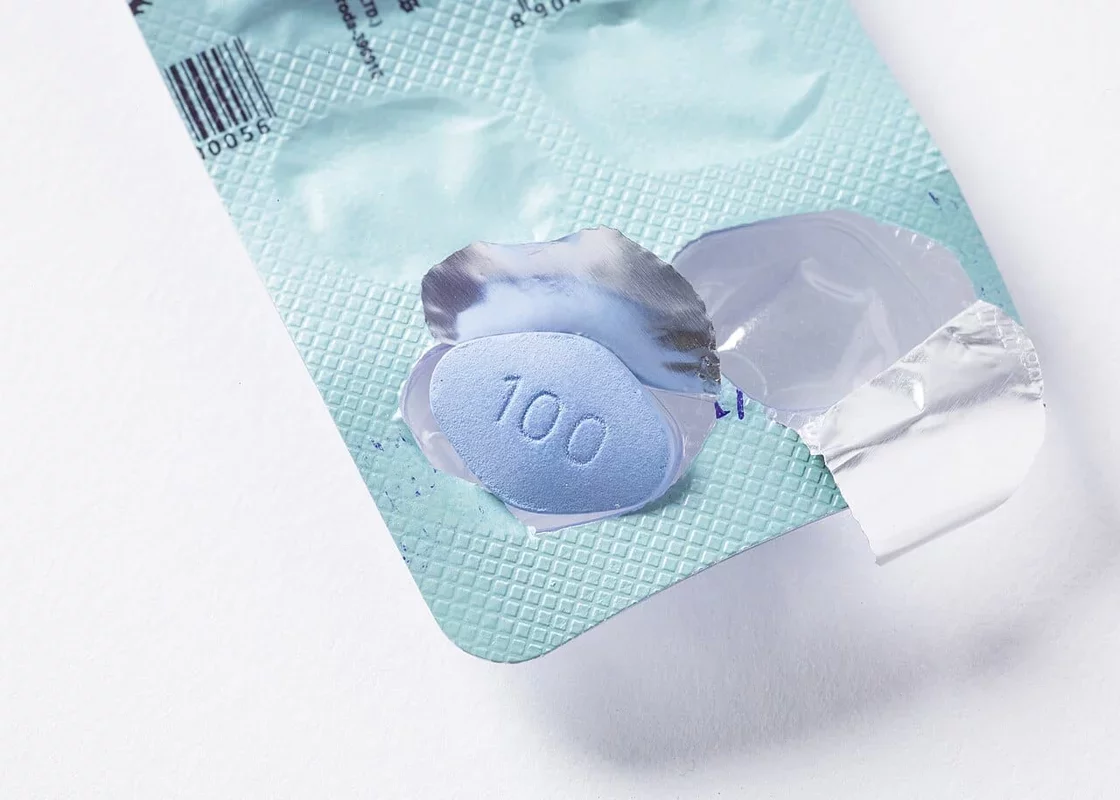
Sildenafil, the compound best known for its role in Viagra, may have a new scientific horizon. A study suggests it could help slow the spread of cancer by disrupting how tumor cells manage cholesterol.
A New Biological Angle
Researchers found that sildenafil can trap cholesterol inside cellular recycling compartments, reducing the supply cancer cells need to reshape their membranes and move through tissue. That mobility is essential for metastasis, the process by which cancer spreads to other parts of the body.
The work, led by scientists at the Weizmann Institute of Science, shows that raising levels of the signaling molecule cGMP may interfere with cholesterol transport inside cancer cells. In experiments, this caused cholesterol to build up in the wrong place, weakening the cells' ability to migrate.
Pairing With Statins
The study also points to a potential combination strategy. While sildenafil blocks the release of stored cholesterol, statins reduce the cell's ability to make more. Together, the two drugs created a stronger anti-metastatic effect in laboratory tests and mouse models than either treatment alone.
Researchers also reviewed long-term health records from Clalit Health Services in Israel and found an association between sildenafil use and improved survival among cancer patients, especially when statins were also involved. The team notes, however, that only clinical trials can confirm whether the effect truly translates to patients.
The study adds to the growing field of drug repurposing, where familiar medicines are explored for new therapeutic uses. If future trials support these findings, a well-known drug could become part of a broader strategy to limit metastasis and personalize cancer care. That possibility could reshape how existing medicines are used in future oncology treatments.