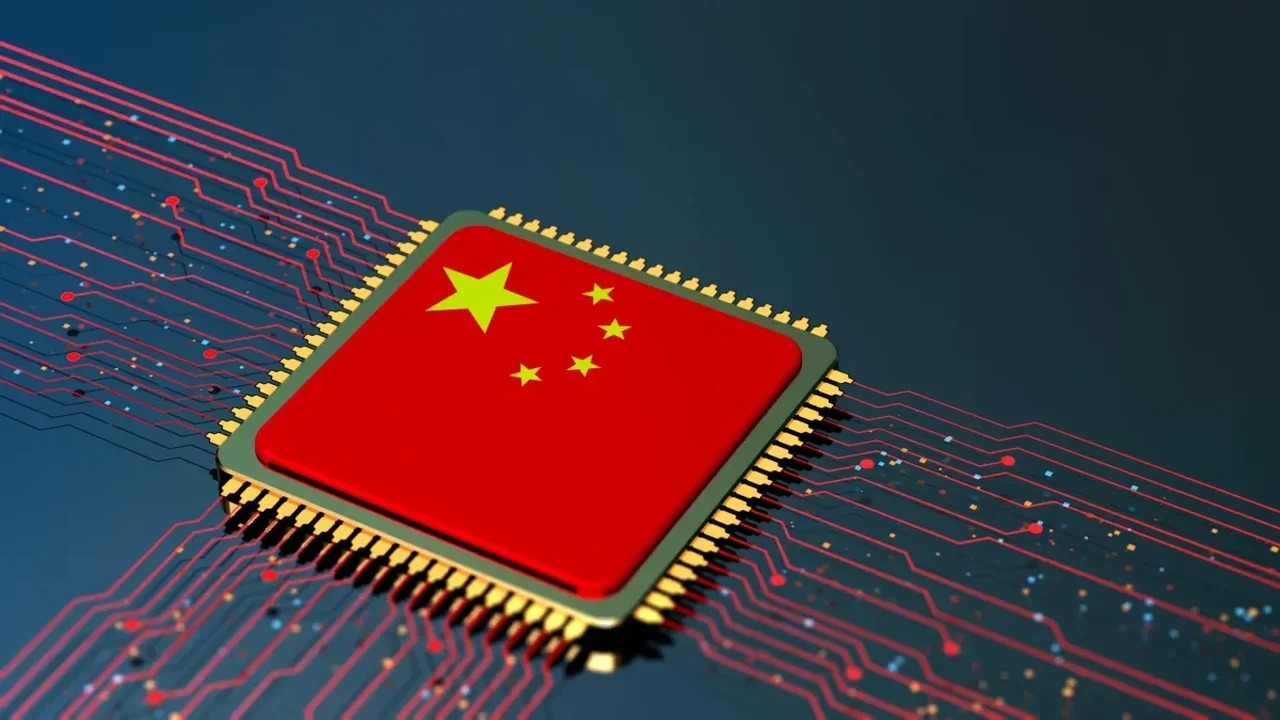
The United States is preparing to review Chinese open-source AI models for possible intellectual property misuse, according to Treasury Secretary Scott Bessent. He said Washington could consider sanctions if evidence of theft is confirmed.
Bessent подчеркнул that the administration supports open-source innovation, but not the unauthorized use of American technology. His remarks reflect a broader effort to protect the country's AI ecosystem as global competition intensifies.
The discussion comes at a moment when Chinese models, including Moonshot AI's Kimi K3, are gaining visibility and technical strength. Their rapid progress is reshaping the competitive landscape for leading U.S. firms such as OpenAI and Anthropic, especially in the race to attract investment and build next-generation systems.
At the same time, the debate around model distillation continues to divide the industry. Some experts view it as a standard method for transferring capabilities into smaller, more efficient systems, while others question where legitimate adaptation ends and misuse begins.
The issue also arrives alongside broader legal and regulatory pressure on AI developers, as governments and companies look more closely at how models are trained, shared, and deployed. The next phase of AI growth may depend as much on governance as on raw technical progress.
In the years ahead, this kind of policy focus could help define clearer rules for global AI competition and shape a more accountable innovation environment.