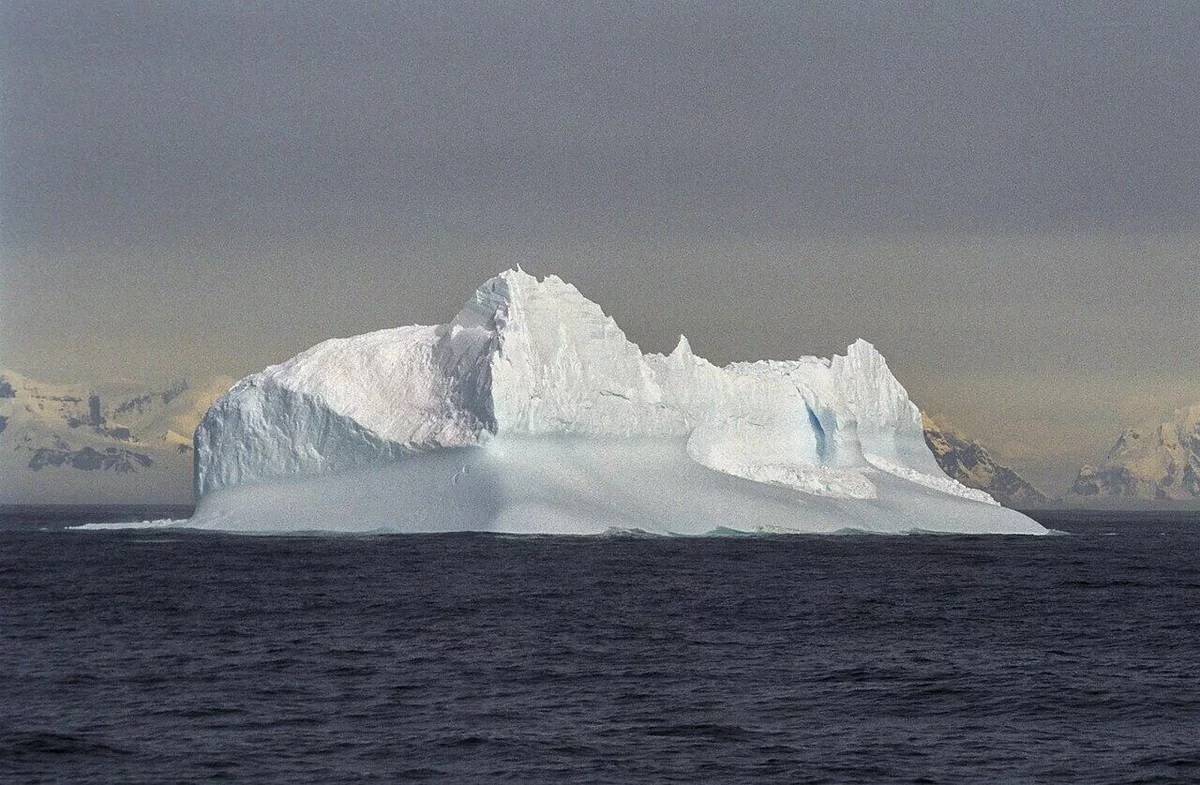
Gravity is often perceived as a constant force, anchoring us to the Earth. However, a closer examination reveals that it varies across the planet, creating a complex landscape of gravitational forces. One of the most intriguing anomalies lies beneath Antarctica, where a significant gravitational depression, known as the Antarctic Geoid Low (AGL), has sparked new scientific interest.
Traditionally viewed as a stable feature, recent research indicates that this gravity anomaly is dynamic and relatively young. By analyzing the movements of Earth's mantle over the past 70 million years, scientists discovered that the AGL deepened significantly as Antarctica transitioned into its icy state. This correlation suggests that the Earth's internal processes may have played a crucial role in the formation of the continent's massive ice sheets.
The Geoid: A Unique Perspective
The geoid represents the shape the ocean surface would take if influenced solely by Earth's gravity and rotation, devoid of external factors like tides. It creates a bumpy, potato-like map of gravitational potential, with the deepest gravity low typically found in the Indian Ocean. However, when researchers focused on nonhydrostatic forces, they identified a stronger gravitational depression over the Ross Sea in Antarctica, driven by variations in rock density beneath the surface.
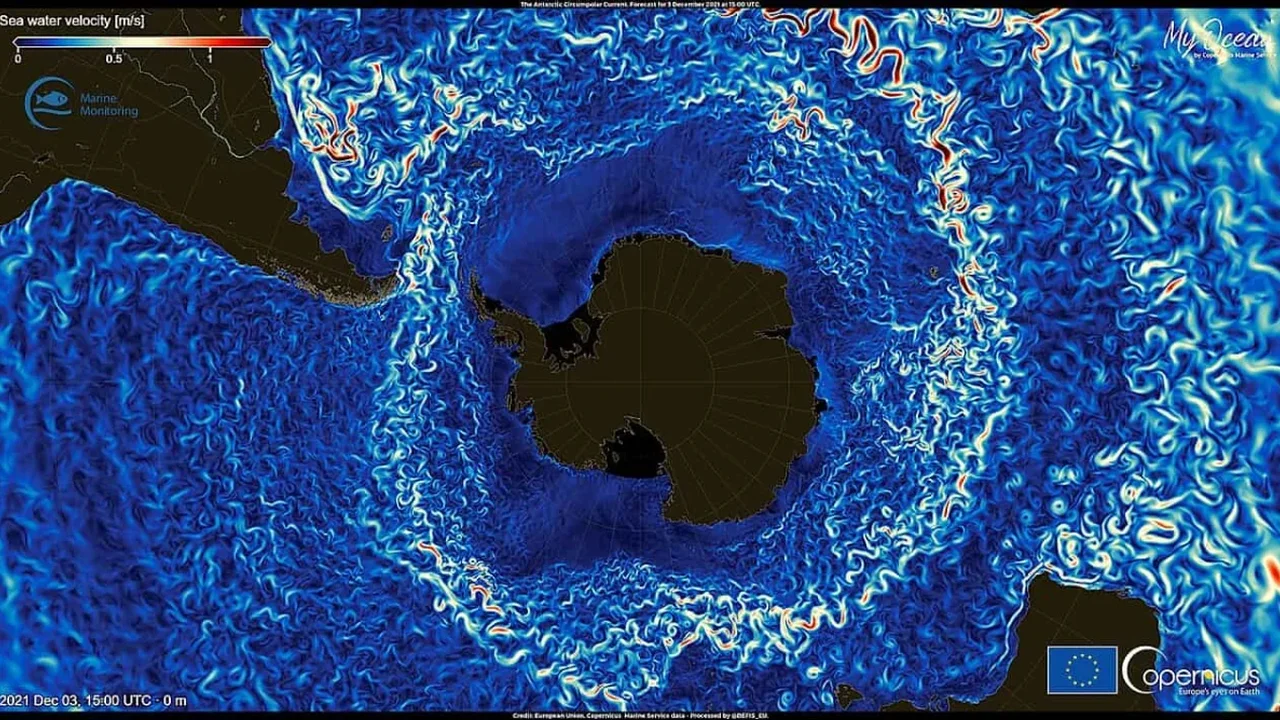
As water flows away from regions of weaker gravity, the sea level around Antarctica is measurably lower, creating unique conditions for the continent. This phenomenon has significant implications for understanding how gravitational variations impact ocean levels and, consequently, ice sheet stability.
Reconstructing Earth's History
To determine when this gravitational anomaly emerged, researchers employed a computational technique known as "back-and-forth nudging." This method allowed them to reverse-engineer the Earth's interior dynamics, comparing their findings with the planet's polar wander, which indicated a significant shift around 50 million years ago. This validation provided confidence in their model and its implications.
Using global earthquake data, the researchers constructed a three-dimensional view of the Earth's interior, likening it to a CT scan. The findings revealed that approximately 70 million years ago, the AGL was weak and unstable, but between 50 and 30 million years ago, it rapidly deepened, coinciding with significant geological shifts.
The Role of Mantle Dynamics
This deepening was attributed to a complex interaction of sinking and rising rock. As ancient ocean floor slabs descended beneath Antarctica, a plume of hot rock rose from the core-mantle boundary, reducing the mantle's density below West Antarctica. This decrease in density resulted in a more profound gravity hole, influencing the surrounding sea levels.
Connecting Gravity to Climate Change
The timing of this gravitational shift aligns with a pivotal moment in Earth's climate history--the Eocene-Oligocene transition, around 34 million years ago, when the planet entered an "icehouse" phase, leading to the formation of extensive ice sheets in Antarctica. The research suggests that understanding the interplay between Earth's interior dynamics and surface climate could provide valuable insights into the stability of ice sheets today.
As scientists continue to explore these connections, they aim to answer a fundamental question: How does the Earth's interior influence our climate and, in turn, the future of our ice sheets?