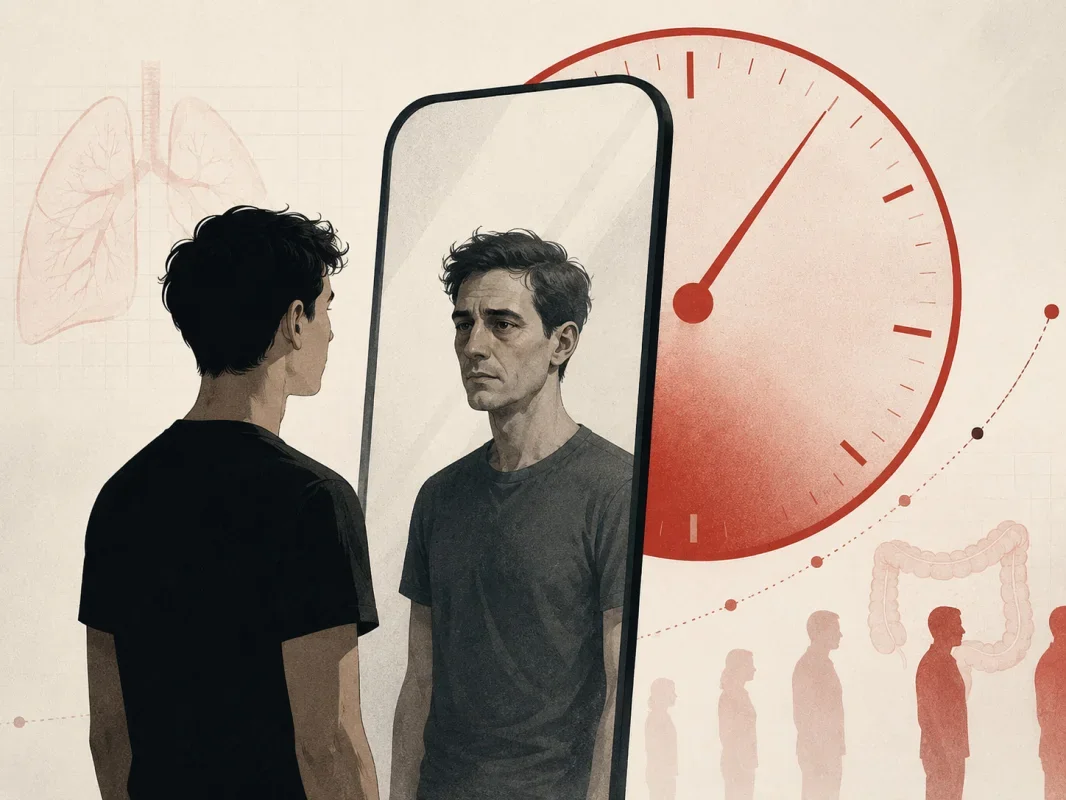
Public health initiatives often emphasize the importance of physical activity, urging individuals to exercise more frequently. This approach seems straightforward in addressing the global obesity crisis, supported by substantial scientific evidence highlighting the benefits of regular movement.
However, the effectiveness of this messaging raises questions. Despite the clear advantages of physical activity, a significant portion of the population remains inactive. According to recent studies, over five million premature deaths annually stem from physical inactivity, with nearly one-third of adults and eight out of ten adolescents failing to meet basic movement guidelines.
While the common belief suggests a lack of willpower as the primary barrier to exercise, a comprehensive analysis by Deborah Salvo and her team published in Nature Medicine reveals that broader societal factors play a crucial role. They argue that our urban environments, economic conditions, and the ongoing climate crisis are often overlooked in discussions about physical activity.
The Privilege of Access
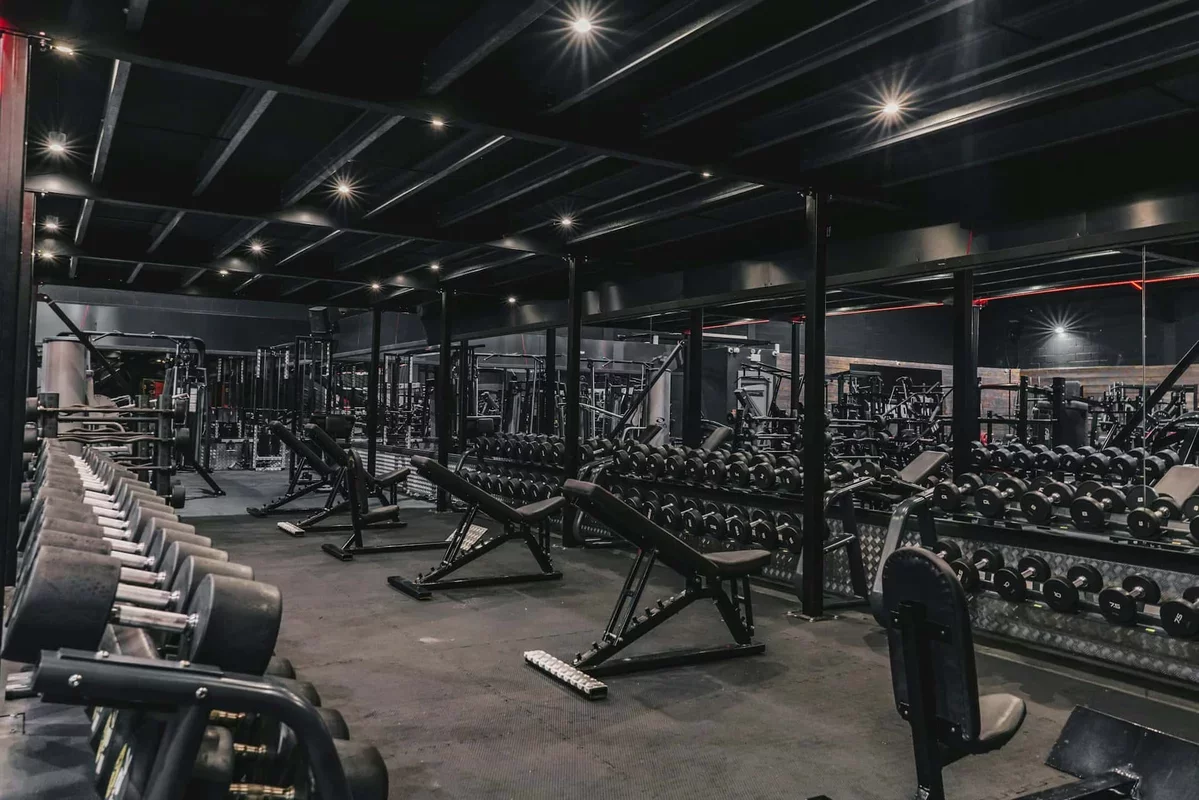
Access to safe and enjoyable physical activity is not uniform. Factors such as gender, income, race, and geographical location significantly influence one's ability to engage in exercise. For many, the opportunity for leisure-based physical activity is a privilege. Salvo's research highlights a stark disparity: there exists a 40-percentage-point gap in access to "active leisure" between affluent men in high-income countries and disadvantaged women in low-income regions.
Moreover, marginalized communities often find themselves in situations where movement is dictated by necessity rather than choice. Many engage in labor-intensive activities out of economic need, which can lead to a different type of physical exertion that lacks the health benefits associated with voluntary exercise.
Understanding 'Good' Movement
Not all physical activity is created equal. While any movement is generally beneficial, the context matters. Leisure-time physical activity (LTPA) tends to provide more significant mental health benefits compared to occupational physical activity (OPA), which often involves prolonged exertion without adequate recovery time.
Research indicates that LTPA is associated with improved heart health and cognitive function, while OPA can lead to chronic stress and negative health outcomes. This phenomenon, known as the "physical activity paradox," underscores the necessity of re-evaluating how we define and promote physical activity.
Shifting the Narrative
Salvo and her colleagues advocate for a shift in focus from individual responsibility to systemic solutions that address the environmental and social determinants of physical activity. They emphasize the need for urban planning that fosters active lifestyles, particularly in communities that are often overlooked.
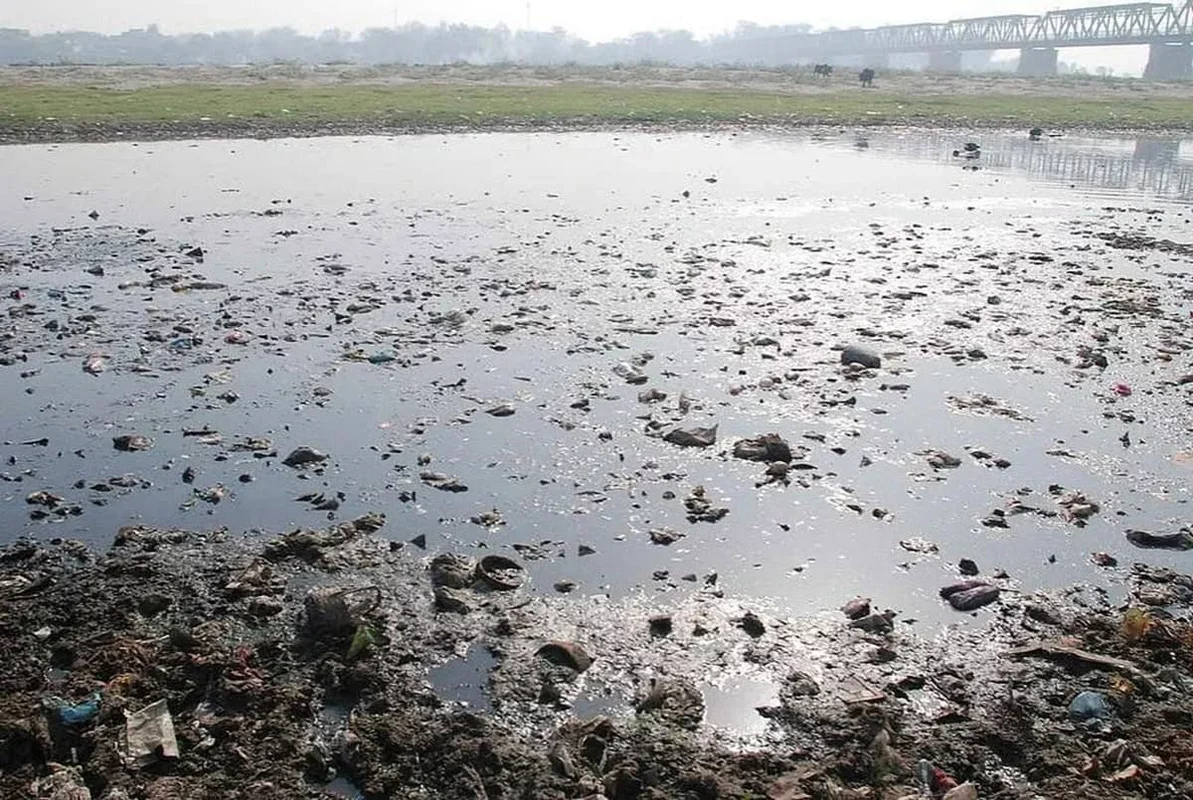
As climate change poses new challenges, the need for safe and accessible spaces for physical activity becomes even more pressing. The Physical Activity and Climate Change (PACC) model suggests that as outdoor conditions deteriorate, people may retreat further indoors, exacerbating inactivity.
To inspire a healthier future, cities must prioritize the development of walkable, safe neighborhoods that promote active living while considering the needs of marginalized groups. By integrating community voices and sustainable practices into urban design, we can create environments that encourage movement and well-being for all.