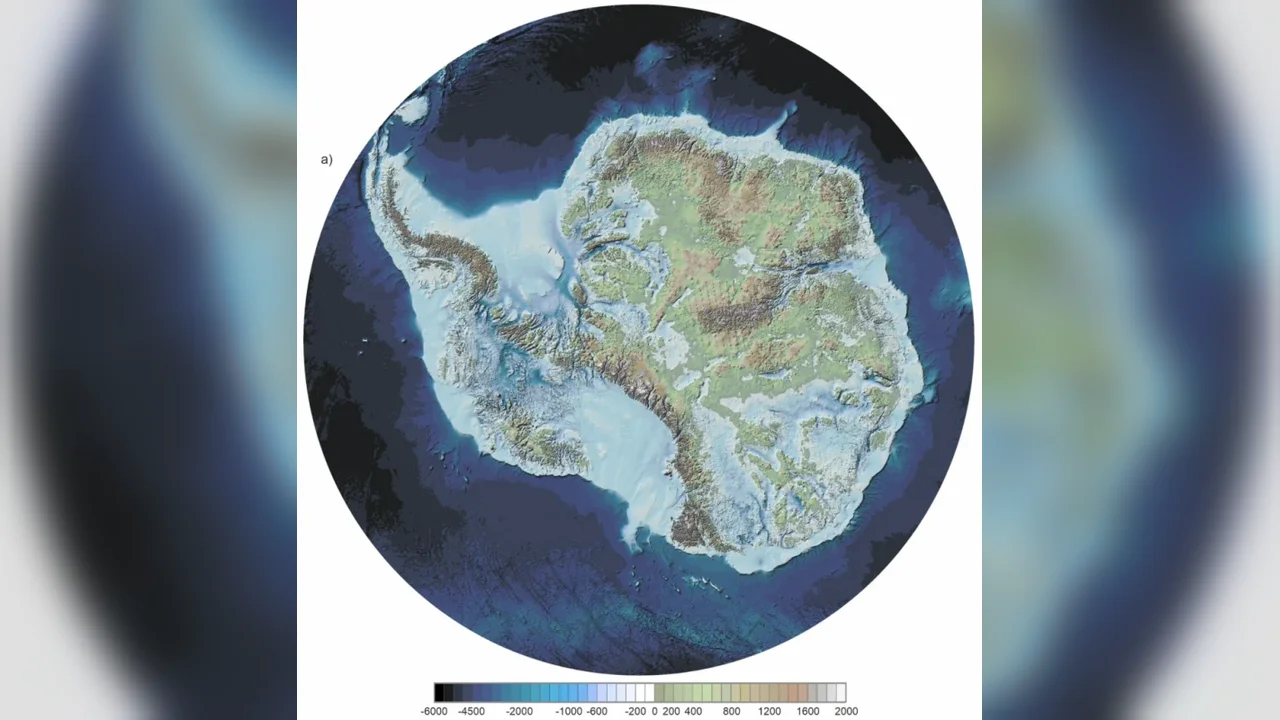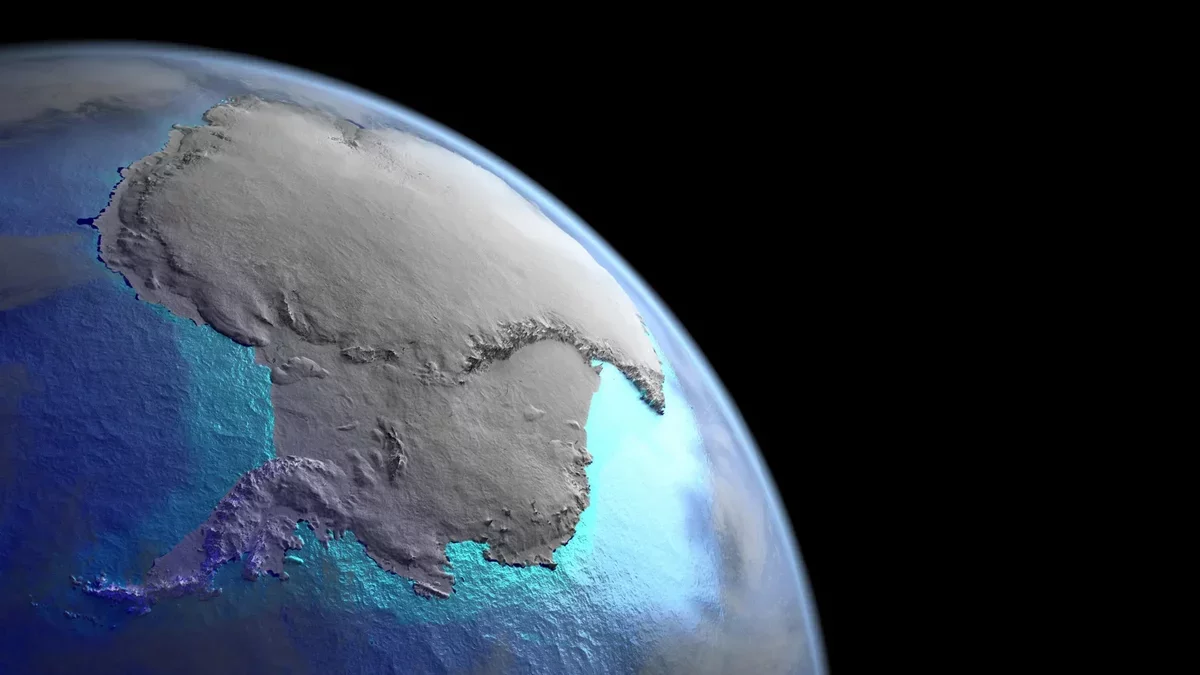
The strength of gravity varies across Earth's surface, with the weakest pull located beneath Antarctica. Recent research has unveiled that this anomaly, known as the Antarctic gravity hole, is the result of extremely slow movements of rock deep within the Earth, occurring over millions of years.
Understanding the Gravity Hole's Formation
According to a new study, these deep Earth movements are linked to significant climatic changes in Antarctica. As researchers investigate further, they aim to determine if shifts in gravity have influenced the formation of the continent's expansive ice sheets. Alessandro Forte, Ph.D., a geophysics professor at the University of Florida and co-author of the study, emphasized the importance of understanding how the Earth's interior affects gravity and sea levels, which are crucial for the stability of large ice formations.
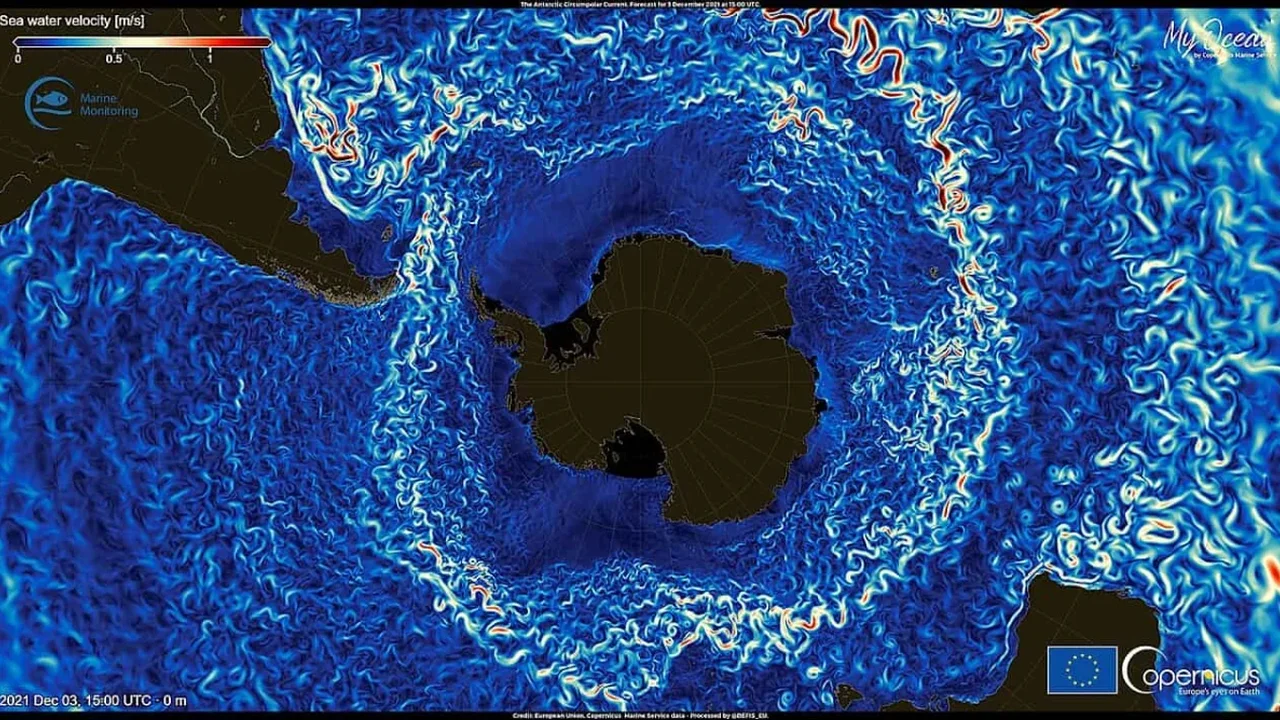
The variations in gravity arise from differences in rock density beneath the surface. Although these gravitational changes are subtle, they can significantly impact ocean behavior. In areas with weaker gravity, seawater tends to flow towards regions with stronger gravitational pull, resulting in a lower ocean surface in those zones. This phenomenon has made the sea-surface height around Antarctica noticeably lower than it would be otherwise.
Innovative Techniques to Map Earth's Interior
Published in Scientific Reports, the research led by Forte and Petar Glišović, Ph.D., from the Paris Institute of Earth Physics, utilized a unique approach to map the Antarctic gravity hole's evolution. By combining global earthquake data with advanced physics-based modeling, they created a three-dimensional representation of the Earth's interior.
Forte likened their method to a CT scan of the Earth, where earthquake waves serve as the illuminating "light" revealing the planet's inner structure. The resulting gravitational map aligned closely with precise satellite measurements, validating their models and providing insights into the Earth's internal dynamics.
Exploring Earth's Geological Past
The researchers also aimed to understand the historical development of the gravity hole through sophisticated computer simulations that reversed the slow movements of rocks over time. Their findings traced back approximately 70 million years, revealing that the gravity anomaly was initially weaker but began to intensify between 50 and 30 million years ago, coinciding with significant climatic shifts in Antarctica.
Looking forward, Forte aspires to explore the potential link between the gravity anomaly and the formation of Antarctica's ice sheets. Future investigations will delve into the interactions between gravity, sea levels, and changes in continental elevation.
Ultimately, the research seeks to answer a broader question: How does our climate relate to the processes occurring within the Earth?