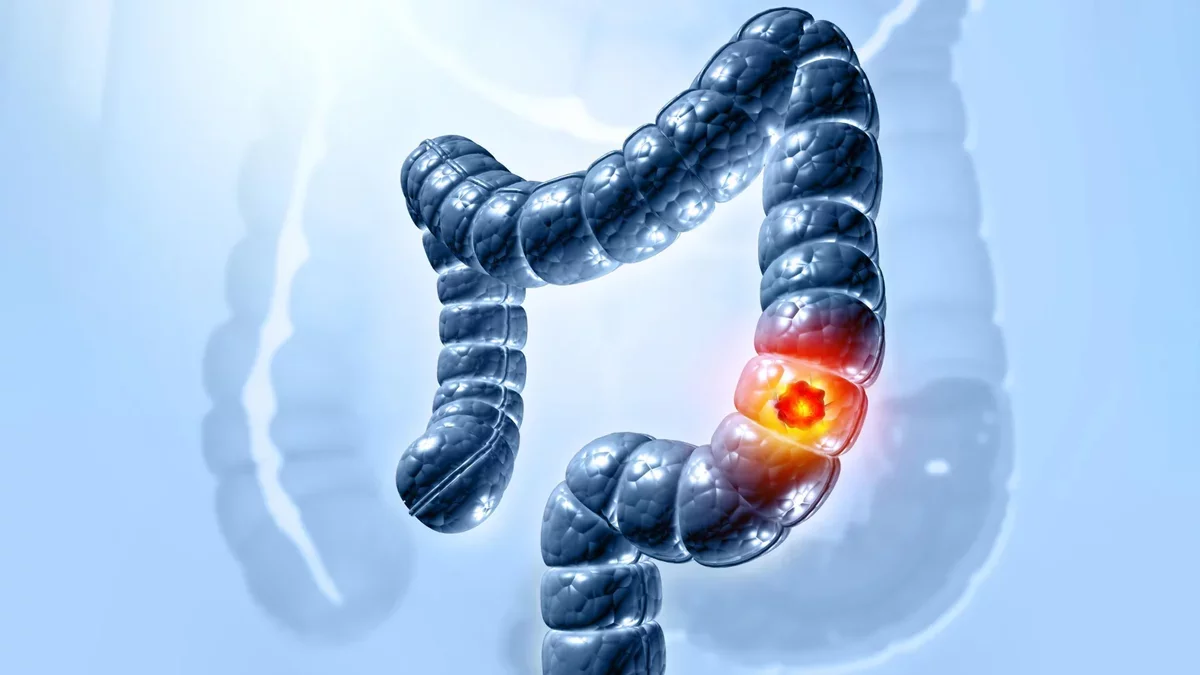
Recent advancements in the study of the gut microbiome--a complex ecosystem of microorganisms residing in our digestive system--have unveiled intriguing connections to colorectal cancer. Researchers from the University of Southern Denmark and Odense University Hospital have discovered a previously unidentified virus within a common gut bacterium, which appears to be more prevalent in individuals diagnosed with colorectal cancer, potentially shedding light on the disease's development.
The Mystery of Bacteroides fragilis
For years, the bacterium Bacteroides fragilis has been linked to colorectal cancer, yet its role has remained puzzling, as it is also found in many healthy individuals. Flemming Damgaard, a medical doctor and PhD at Odense University Hospital, notes the paradox of finding this bacterium in both cancer patients and healthy individuals.
To address this enigma, the research team probed deeper into the bacterium's characteristics and discovered significant differences.
Discovery of a Unique Virus
The pivotal finding was the presence of a specific bacteriophage--a virus that infects bacteria--within Bacteroides fragilis. This virus was notably more common in patients who later developed colorectal cancer. Damgaard emphasizes that this novel virus has not been documented before and may represent an entirely new category of viral entities.
While the correlation between the virus and colorectal cancer is compelling, it does not establish causation. Damgaard states, "We are still investigating whether the virus contributes to cancer development or simply indicates other changes within the gut."
Data-Driven Insights
The research was initiated through a comprehensive Danish population study involving around two million participants. The team focused on individuals who had suffered serious bloodstream infections caused by Bacteroides fragilis, observing that a subset was diagnosed with colorectal cancer shortly thereafter. A comparative analysis revealed a distinct pattern: cancer patients were more likely to harbor specific viruses.
To validate these findings, researchers analyzed stool samples from 877 individuals across Europe, the U.S., and Asia, confirming that those with colorectal cancer had a higher incidence of the identified viruses.
Revolutionizing Cancer Risk Assessment
With up to 80% of colorectal cancer risk attributed to environmental factors, including the gut microbiome, understanding these interactions is vital. The gut microbiome's complexity has made it challenging to differentiate between healthy individuals and those at risk for disease. Damgaard suggests that the interplay between bacteria and their viral inhabitants may provide crucial insights into cancer risk.
Future research may lead to innovative screening methods that include testing for these newly discovered viruses alongside traditional stool tests for hidden blood, potentially enhancing early detection of colorectal cancer.
Conclusion
This groundbreaking research opens new avenues for understanding colorectal cancer and may ultimately transform screening practices, paving the way for more effective prevention and treatment strategies in the future.