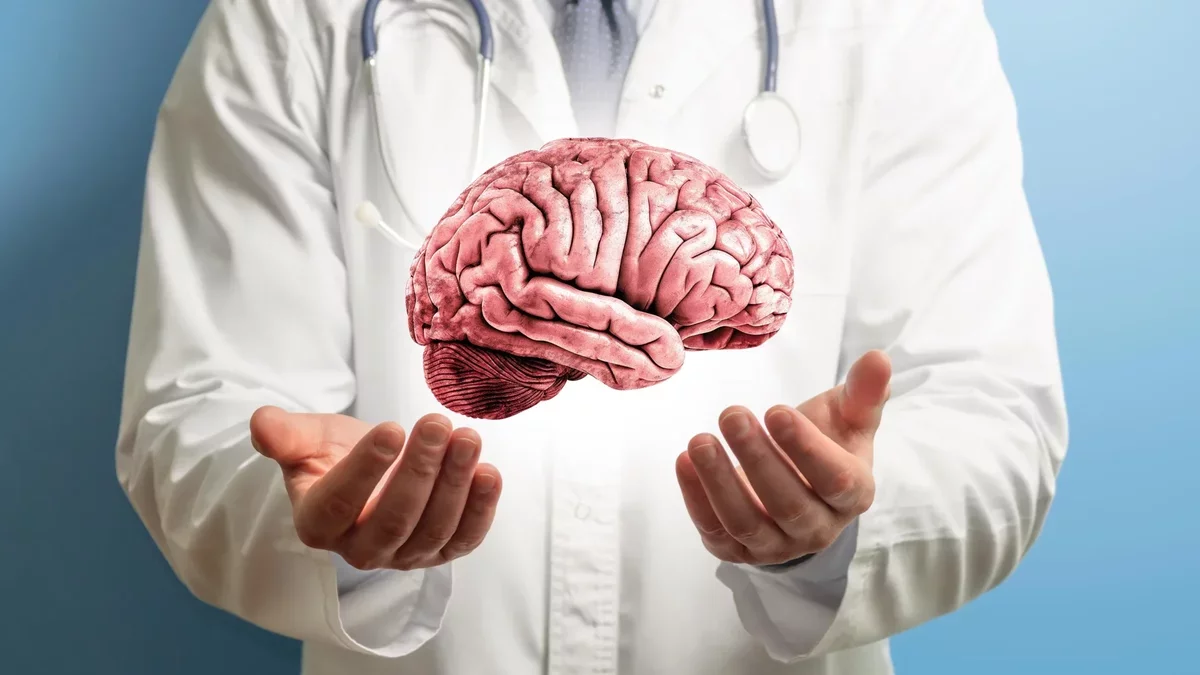
A recent survey revealed that an impressive 92 percent of participants consider the analysis of the autistic brain to be of great importance. Yet, a significant 70 percent admitted they were unaware of the concept of brain donation. This gap indicates a widespread appreciation for advancements in autism research, coupled with a lack of understanding about the essential contributions that enable such progress.
Understanding Brain Donation vs Organ Donation
There is a marked discrepancy in public knowledge regarding organ donation compared to brain donation. While over 80 percent of those surveyed are familiar with organ donation and more than half are registered donors, only 15 percent recognized that brain donation requires a distinct process not included in organ donor registrations.
Dr. David G. Amaral, Scientific Director of Autism BrainNet and a distinguished professor at UC Davis, emphasized the importance of postmortem brain tissue for autism research. "This resource is irreplaceable by artificial intelligence or animal studies," he stated. "At Autism BrainNet, we aim to enhance autism research quality, provide clear information about brain donation, and support families in planning for this decision."
Clearing Up Confusion Surrounding Brain Donation
The survey, conducted from February 26 to March 2, 2026, with over 1,000 respondents, highlighted confusion about the brain donation process. Less than half of the participants recognized that donation must occur within hours of death, not days. Some even mistakenly believed that it could happen while a person is still alive.
Misunderstandings also extend to eligibility. Nearly one-third of respondents erroneously thought that conditions like autism or epilepsy would disqualify someone from donating. In reality, such individuals provide invaluable samples that help researchers decode neurodevelopmental disorders.
A Personal Perspective on Brain Donation
Kathy Stein shared her experience of donating her autistic brother Ed's brain to Autism BrainNet. "He lived a joyful life, and donating his brain was a way to honor him and further our understanding of autism," she reflected. "His contribution could lead to significant insights into the biological aspects of autism."
Raising Awareness Through Public Engagement
To enhance public understanding, Autism BrainNet plans to host an "Ask Me Anything" session on Reddit for Autism Acceptance Month, scheduled for April 29 from 12-2 PM ET. Dr. Amaral, alongside Dr. Alycia Halladay, Chief Science Officer of the Autism Science Foundation, will provide information on brain donation, including the process and how to become a donor.
Dr. Amaral reiterated that brain donation is strictly for research, not for transplantation. He encouraged individuals and families to learn about the process, stating that "we particularly need postmortem brains from autistic individuals and those with related conditions to propel our research forward."
Eligibility and Family Considerations
Autism BrainNet welcomes donations from individuals diagnosed with autism, those with related genetic diagnoses, and even non-autistic individuals. Ideally, donations should occur within 48 hours post-death, although later donations may be feasible. Importantly, there is no cost to families, and the process does not disrupt funeral arrangements, allowing families to honor their loved ones while contributing to vital research.