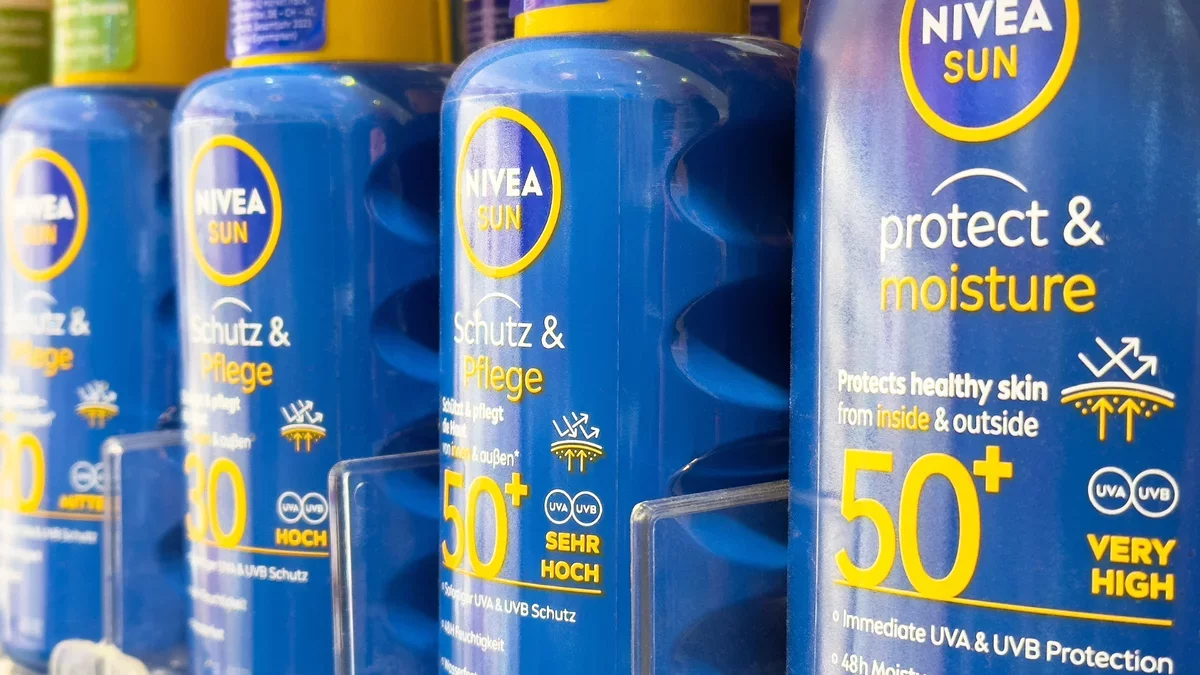
Researchers are taking a closer look at whether some leave-on skin-care products may be associated with a rare form of hair loss known as frontal fibrosing alopecia, or FFA. The condition affects the hairline, temples and eyebrows, and in some cases the damage can become permanent once follicles are replaced by scar tissue.
A condition with many possible triggers
FFA usually develops gradually. People may notice a receding front hairline, thinning eyebrows, or sensations such as itching and tenderness near the scalp edge. Dermatologists say the condition appears most often after menopause, but it can also affect men and younger adults.
The cause is still unclear. Current research points to a mix of genetics, immune activity, hormones and environmental factors. That is why scientists have been examining whether facial products such as sunscreen and moisturizer could be part of the picture.
What the studies suggest
Questionnaire-based studies first raised the possibility of a connection. A 2023 meta-analysis that combined nine studies found that people with FFA were more likely to report using sunscreen and facial moisturizer than control groups. However, the evidence remains observational, which means it shows association rather than proof of cause.
Other studies have added nuance. A Brazilian case-control study linked FFA with facial moisturizer and some other factors, but not with sunscreen. A Thai study found higher moisturizer use among women with FFA, while another analysis suggested sunscreen use may simply reflect greater sun damage already present in the skin.
Researchers also note a practical reason the pattern deserves attention: leave-on products can collect around the hairline and eyebrows, exactly where FFA tends to appear. Still, the current evidence is not strong enough to identify a single culprit.
What this means for daily care
Experts do not recommend stopping sunscreen use. Sun protection remains an important part of skin health and helps reduce ultraviolet damage. Instead, the focus is on awareness: if someone notices a receding hairline, eyebrow thinning, redness or persistent scalp discomfort, a dermatologist can help assess the cause early.
For now, the research points to a promising scientific question rather than a confirmed answer. As larger studies refine the links between skin care and hair health, the findings may shape more personalized approaches to dermatology in the future.