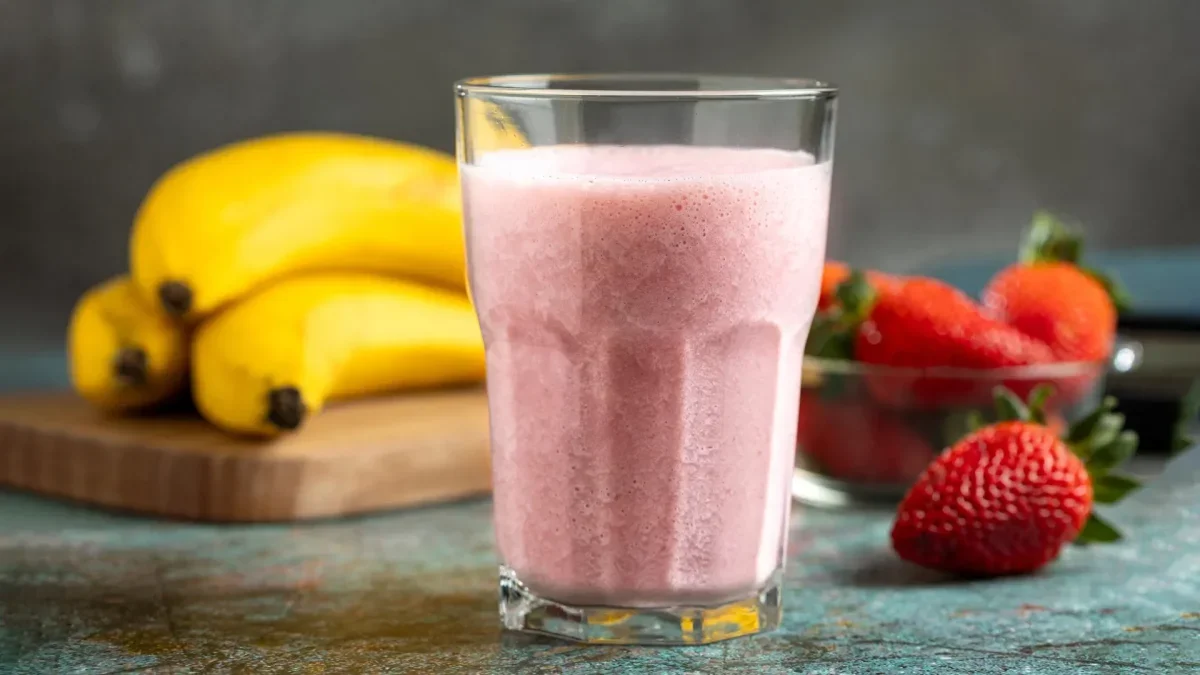
Recent research published in the Royal Society of Chemistry journal Food & Function sheds light on the interactions between smoothie ingredients, particularly highlighting the impact of bananas on flavanol absorption. While bananas are not unhealthy, their high levels of an enzyme known as polyphenol oxidase (PPO) can significantly hinder the body's ability to absorb flavanols, which are beneficial plant compounds linked to heart and cognitive health.
Lead researcher Javier Ottaviani, director at Mars Edge and adjunct researcher at UC Davis, explained the motivation behind the study: to understand how a common smoothie ingredient, like banana, could affect nutrient availability. When fruits are cut or bruised, PPO triggers a browning reaction, and the team aimed to discover if this enzymatic activity also influences nutrient absorption in smoothies.
The study involved participants consuming a banana smoothie, a mixed berry smoothie, and a flavanol capsule for comparison. The results were compelling--those who drank the banana smoothie exhibited an astonishing 84% lower flavanol absorption compared to the control. In contrast, the mixed berry smoothie allowed for flavanol levels akin to the capsule.
Ottaviani remarked on the surprising speed at which adding just one banana diminished flavanol levels, emphasizing the importance of ingredient combinations in dietary absorption. Further tests revealed that even when flavanols were consumed with a banana drink, but kept separate before intake, the PPO activity still reduced flavanol absorption, suggesting that PPO's effects may persist even within the digestive system.
Despite these findings, it is essential to note that bananas are still nutritious, providing fiber and potassium. However, for those aiming to maximize flavanol intake, it may be wise to pair flavanol-rich fruits like berries with low PPO ingredients such as pineapple, oranges, or yogurt. Bananas can still be enjoyed separately or in smoothies where flavanol content isn't the primary goal.
The Academy of Nutrition and Dietetics recommends a daily intake of 400 to 600 milligrams of flavanols for optimal cardiometabolic health. This study serves as a practical reminder that the way we combine ingredients can influence the nutritional outcomes of our meals.
Looking ahead, this research opens doors for further exploration into the interactions of polyphenols and bioactive compounds in our diets. As we learn more about how food preparation affects nutrient absorption, we can make informed choices that enhance our health and well-being.