Recently, while driving my children to school in our Toyota 4Runner, I noticed a dashboard warning light activate--a yellow exclamation point inside a horseshoe shape, indicating a need to check tire pressure. Upon inspecting, I found my passenger side rear tire was at 27 PSI. After dropping off the kids, I visited a nearby gas station, where I discovered a nail lodged in the tire. A quick fix at a local Firestone had me back on the road in no time.
This experience highlighted the importance of dashboard warning lights, prompting me to review their meanings--not just for myself, but also for my son Gus, who is learning to drive. It's a great opportunity to educate him about vehicle safety.
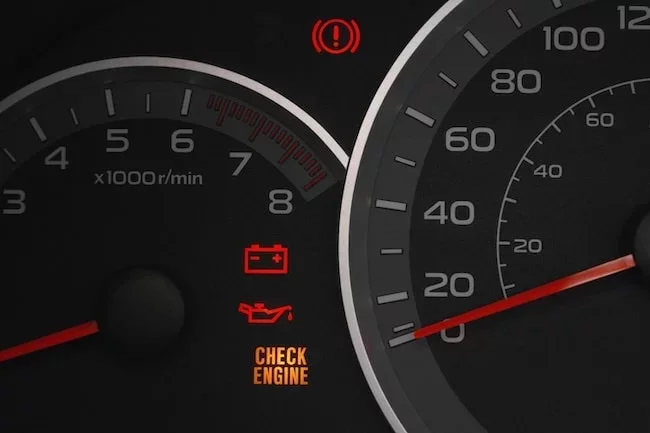
Dashboard indicators are largely standardized across various car brands, making them easy to understand regardless of whether you're in a Honda Accord or a Ford F-150. Think of them as traffic signals: green and blue lights provide information about active features, yellow lights indicate issues that need attention, and red lights signify urgent problems that require immediate action.
Red Lights: Immediate Attention Required
Ignoring these can lead to costly repairs.
Oil Pressure Warning
This light signifies that oil is not circulating properly through the engine. If ignored, it can lead to severe engine damage. Pull over immediately and consult a mechanic.
Engine Temperature Warning
This indicates your engine is overheating. Safely pull over, turn off the engine, and allow it to cool down before proceeding.
Brake System Warning
This may suggest a hydraulic leak or worn brake pads. If the light remains on after disengaging the parking brake, have your brakes inspected promptly.
Battery/Charging Alert
This light means your alternator is not recharging the battery, risking a loss of power to essential systems. Seek professional help immediately.
Airbag/SRS Warning
If this light stays illuminated, your airbags may not deploy in an accident. It's crucial to have this diagnosed.
Yellow Lights: Attention Needed Soon
These indicate a potential issue that should not be ignored but isn't an emergency.
Check Engine Light
This notorious light could signal anything from a minor issue to a failing catalytic converter. If flashing, it indicates a serious engine misfire requiring immediate attention.
ABS Warning
This light means your anti-lock braking system is inactive. While you still have brakes, it's essential to get this checked out.
Tire Pressure Monitoring
This alerts you that one or more tires need attention. Low tire pressure can affect handling and fuel efficiency, so check for leaks.
Blue/Green Lights: Informational Only
These indicators confirm that certain features are active, such as high beams or four-wheel drive, and generally do not require action.
Investing in an OBD-II scanner can empower drivers to diagnose issues quickly. These devices connect to your vehicle and provide diagnostic trouble codes, helping you understand any dashboard alerts without needing to visit a mechanic.
As vehicles become more sophisticated, understanding these warning lights will enhance safety and vehicle longevity, paving the way for a more informed driving experience.