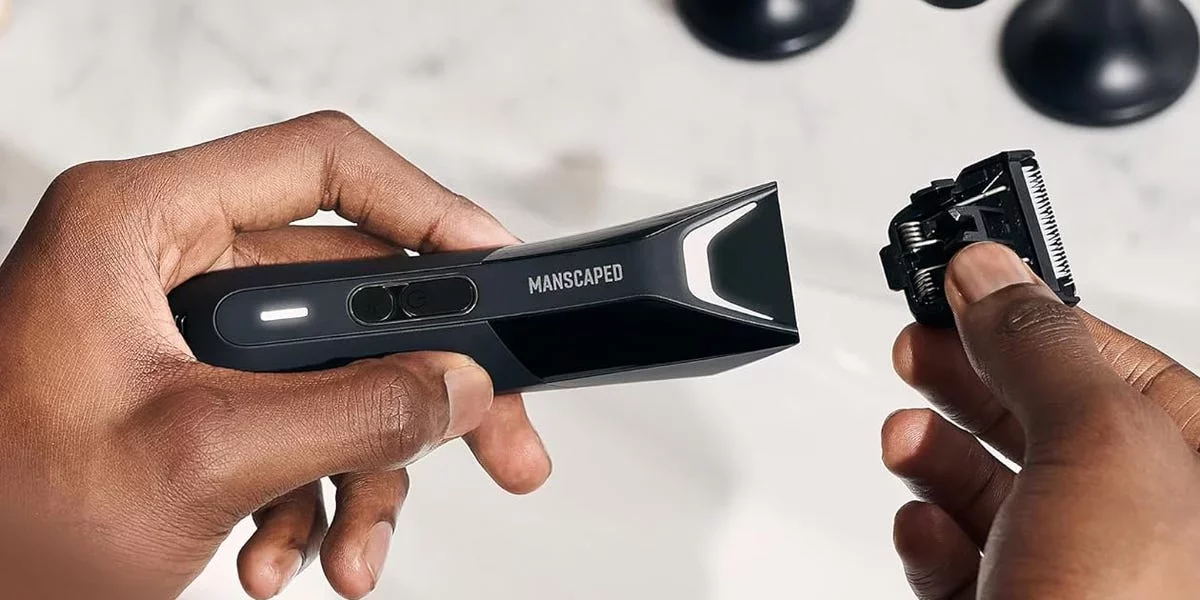
The world of grooming has evolved significantly, especially when it comes to beard care. As grooming enthusiasts delve deeper into their routines, understanding the nuances of beard trimmer blades becomes essential. According to celebrity barber Jomo Kenyatta-Lopez, the key to achieving a precise trim lies in the combination of a robust motor and sharp blades.
When selecting a trimmer, one should consider the motor's power, ideally a minimum of 5,000 RPM, paired with a battery life of at least 45 minutes. However, the blade type is equally crucial as it influences both the trimmer's efficiency and compatibility with various skin types.
Types of Blades
Barbers categorize beard trimmer blades into three main styles: straight blades, T-blades, and foil heads. Straight blades are the most common, typically found in many trimmers. These rectangular blades operate similarly to scissors, consisting of a stationary and a moving plate, making them ideal for shaping and length control.
For those seeking precision, T-blade trimmers are the go-to choice. Their unique T-shape allows for detailed edging and outlining, making them a favorite among professionals. Celebrity stylist Jerrod Roberts recommends models like the Wahl T-Blade Trimmer for their efficiency in detail work.
Foil blades, while less common in beard trimmers, offer a smooth finish. These rounded blades are perfect for achieving a clean look and are typically used as attachments in grooming kits. They work by using a thin perforated screen over oscillating cutters to shave hair closely to the skin.
Material Matters
Beyond style, the material of the blades plays a significant role in performance. The three primary materials are stainless steel, titanium, and ceramic. Stainless steel is affordable and durable but may dull quicker than other materials. Titanium offers enhanced longevity and strength, resisting rust while being lighter for comfortable handling. Conversely, ceramic blades are exceptionally sharp and generate less heat, making them suitable for sensitive skin.
For individuals prone to irritation, ceramic blades can be a game-changer due to their ability to stay cooler during use. However, they require careful handling as they are more fragile. Proper maintenance, such as regular cleaning and oiling, is crucial to ensure optimal performance and hygiene.
As the grooming industry continues to innovate, understanding these blade types and materials will empower consumers to make informed choices, ultimately enhancing their grooming experience.